America Has a Data Center Problem, and AI Made It Worse
From MAGA rallies to environmental protests, ordinary Americans are furious about the AI infrastructure being built in their backyards. Here is why it happened.

Key points
- A June 2025 Gallup poll found 70 percent of Americans would oppose data center construction in their local area.
- Data center moratoriums have been introduced in at least a dozen US states, and passed outright in New York.
- Right-wing strategist Steve Bannon and anti-AI writer Joe Allen have been touring churches and MAGA meetings to build grassroots opposition to AI infrastructure.
- Elon Musk's xAI campus in Memphis, Tennessee reportedly used unpermitted gas turbines and sits in a majority-Black neighbourhood already dealing with high pollution levels.
- Research published in June 2025 found most people opposed to data centers do not live near one, and the majority also distrust AI broadly.
For most of the past two decades, data centers, the large warehouse-style buildings that store your photos, stream your shows, and run the internet, sat quietly on the edge of town and nobody paid them much attention. Then ChatGPT arrived, and everything changed.
Why are people suddenly so angry?
The short answer: scale, speed, and cost. Tech companies decided the AI race required far more of these buildings, far faster than anyone had planned for.
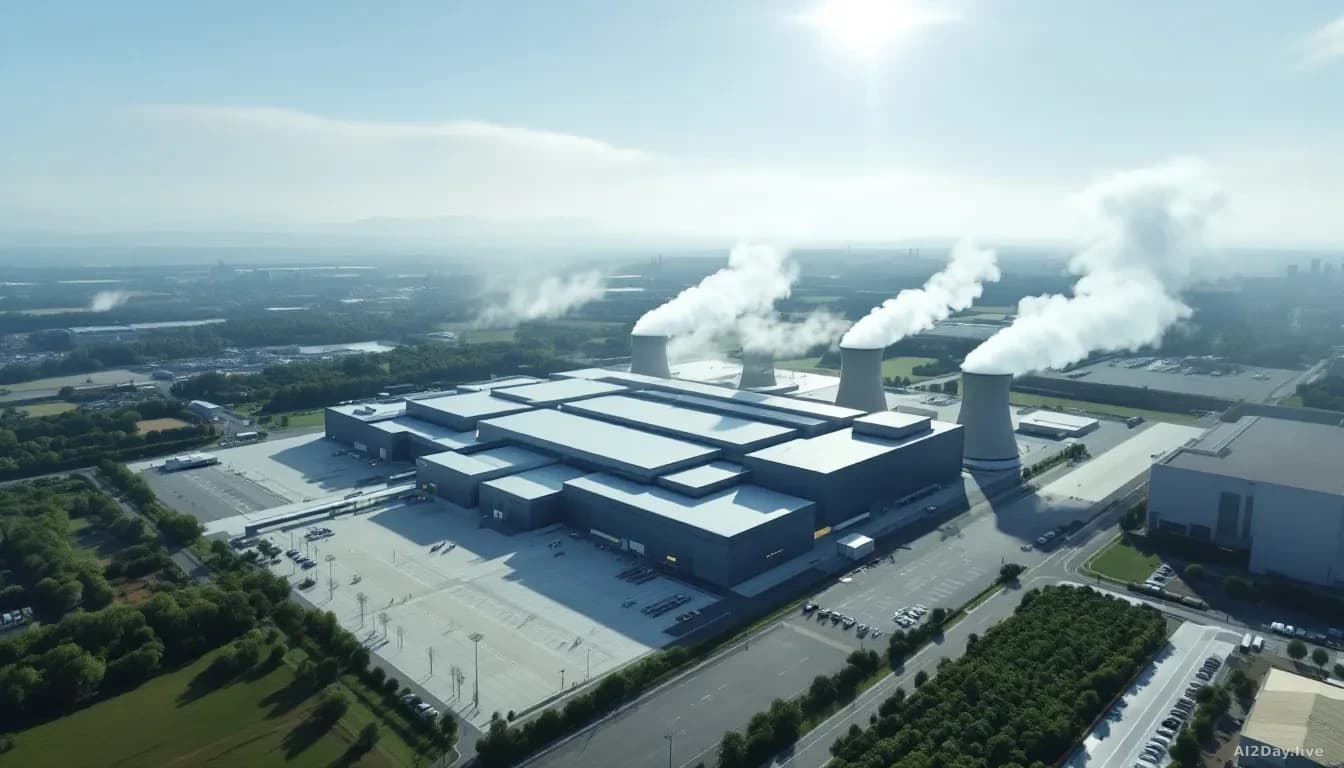
The new breed of facility is sometimes called a hyperscaler, a data center so large it can fill several football pitches. Building them requires huge amounts of electricity, water for cooling, and cheap land. Companies spread out across the country looking for all three. Electric bills crept up. Local water supplies came under pressure. And CEOs gave speeches about AI replacing human jobs, all while asking communities to host the buildings making it happen.
That combination proved combustible. A Gallup poll in 2025 found that 70 percent of Americans would oppose a data center being built near them. That is not a niche concern.
Who is leading the pushback?
The opposition spans the full width of American politics, which is what makes it unusual.
On the left, it looks familiar: environmental groups, community organisers, residents worried about air and water. Protesters were arrested or removed from public meetings in New Jersey, California, Wisconsin, and Indiana. New York passed a state-level moratorium, a temporary ban on new construction, and at least a dozen other states introduced similar measures.
On the right, the story is stranger. Steve Bannon, Donald Trump's former chief strategist, has been running segments on his War Room podcast calling data centers "weapons labs being turned onto the population." His guide on the topic is Joe Allen, author of Dark Aeon: Transhumanism and the War Against Humanity, who has been touring churches, MAGA meetings, and conservative conferences to spread what he calls concern about AI's effect on human creativity and autonomy.
Bannon told ABC News that Allen was central to his strategy: "He's going to every conference possible, meeting people. I want him to go to every church that asks him."
Wired AI first reported on Allen's tour and the broader political shift in detail.
What does this mean for ordinary people?
If you live near a proposed data center site, you now have real political cover to object, from both sides of the aisle. That is new. A year ago, opposition was mostly local and fragmented. Today it has national spokespeople, proposed state laws, and genuine polling weight behind it.
The practical issues are worth watching regardless of your politics. Data centers do use significant electricity and water. When a large facility arrives in a smaller grid area, utility forecasts for local demand can rise sharply, and those costs sometimes filter through to household bills.
For job worries, the picture is murkier. These buildings create some construction and maintenance work. The AI systems they run may, over time, affect a much wider range of jobs. That gap between who benefits and who bears the cost is exactly what is driving the anger.
Common questions
Do data centers actually affect my electricity bill?
They can, yes. When a large data center connects to a local power grid, utilities sometimes revise their demand forecasts upward, which can lead to infrastructure investment passed on to customers. The effect varies significantly by location and grid size.
Is this opposition likely to slow down AI development?
It is already creating friction. Moratoriums and local bans delay planning approvals and raise costs. Whether that meaningfully slows the AI buildout, or simply shifts it to more permissive locations, is an open question that will play out over the next few years.