A Private Chef Cooked Me a Free Three-Course Meal. The Catch: Every Knife Stroke Was Filmed to Train Robots.
A startup called Shift is trading free home services for something more valuable than cash: first-person video of skilled human hands, captured inside real homes to teach the next generation of household robots.

Key points
- Shift, a division of German startup Microagi, sent a private chef to a journalist's apartment and filmed the entire cooking session to collect robot training data.
- The data being recorded is "egocentric," meaning first-person video of hand movements, a type of footage that does not yet exist in the vast quantities AI developers need.
- Microagi CEO Bercan Kilic said the company plans to add more free or discounted home services in exchange for recording rights.
- Kilic predicted that reasonably priced home robots capable of handling most household tasks will exist within a year.
- Unlike text scraped from the internet that trained large language models (the technology behind chatbots like ChatGPT), no comparable library of home-task video exists yet, making your kitchen unusually valuable to AI companies.
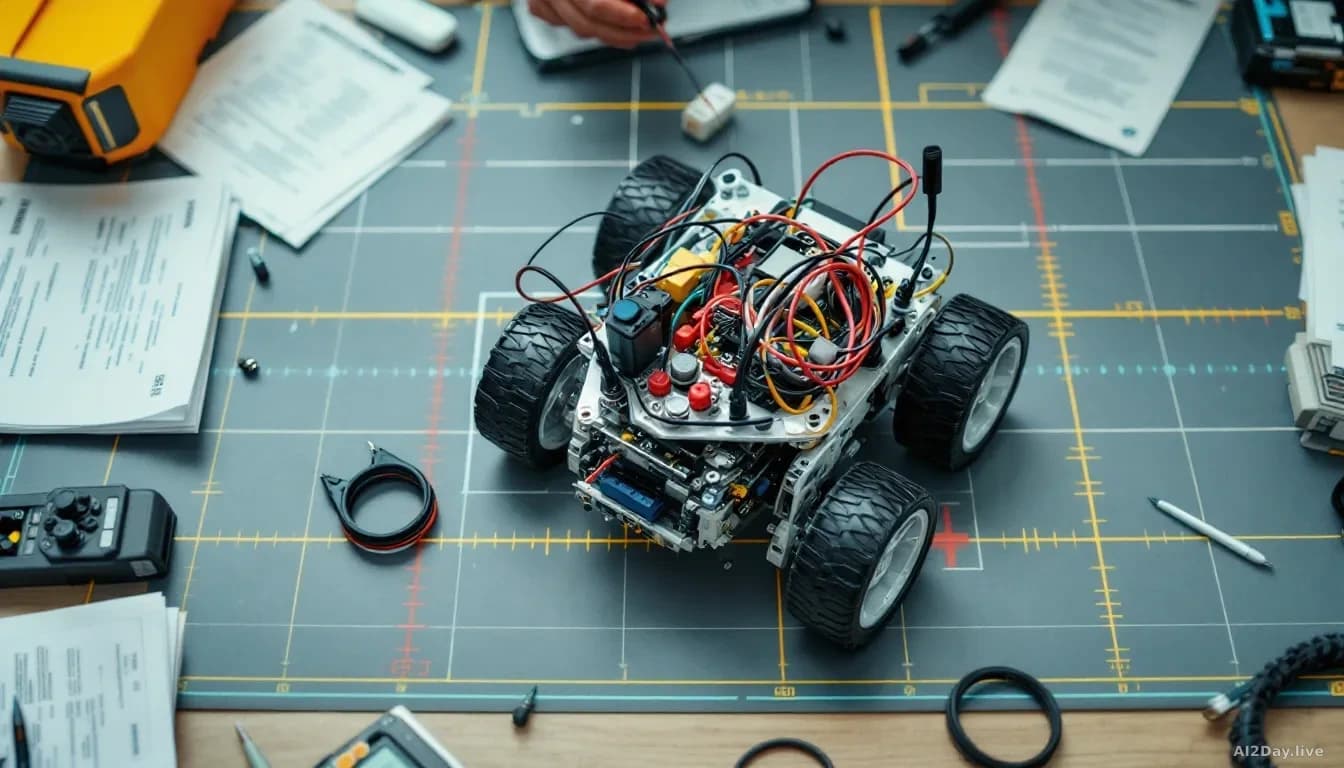
The chef arrived wearing a baseball cap. Mounted to the brim was a blocky white camera, roughly the size of a GoPro, connected by a wire running down his back to a smartphone. He unpacked his supplies, started on a gazpacho, and got to work. So did the camera.
This scene, first reported by Wired AI, is how a startup called Shift collects what the robotics industry calls egocentric data: first-person video of human hands performing skilled tasks. The footage captured that afternoon included knife work, sauce preparation and kitchen cleanup. Its intended destination is the training pipeline for future home robots.
Why would a company pay for your private chef?
Robot developers face a data problem ordinary people rarely think about. Text from books and websites trained the chatbots we use today. But robots that move through physical spaces need a completely different kind of data: video shot from a first-person viewpoint, showing exactly how human hands grip, chop, scrub and pour inside real homes.
That footage barely exists at scale. Your kitchen, it turns out, is a rare and useful place.
Shift's parent company, the German startup Microagi, already offered free home-cleaning sessions in New York City under the same arrangement. Residents allowed Shift to record the cleaning in exchange for the free service. San Francisco followed, with free home-cooked meals added to the menu.
"The goal of Shift is twofold," Microagi CEO Bercan Kilic said. "First, allow people to join the AI economy. The other part is to handhold the entire society and governments together, from today until the abundance."
The chef's uniform reflected that odd blend of worlds. White shirt, brown apron, and a camera wired to his hat.
Should people be comfortable with this?
Signing up means letting a company film inside your home, in detail, for the purpose of building commercial products.
The journalist who took part had previously strapped a phone to her head to record her own hand movements for gig-economy data platforms, earning small payouts for footage of tasks like scrambling eggs or tying shoelaces. Being on the receiving end felt different. Knowing that a messy oven was now immortalised as robot training data has a way of sharpening your attention.
Kilic is optimistic about the timeline. "By this time next year we will have quite good home robots at reasonable prices," he said. "It will be like vacuum robots in 2020."
That comparison is worth sitting with. A robot vacuum that misbehaves smears dirt across the floor. A half-trained robot with a knife in hand is a different category of problem. The physical stakes of embodied AI (AI that exists inside a moving machine with tools) are higher than those of a chatbot that gives you a wrong answer.
What should you watch for?
If you are offered a free or discounted home service in exchange for filming rights, consider four things before you agree.
First, ask what specific footage is captured and where it is stored. Second, find out whether the data is sold to third parties or kept within one company. Third, check whether you can withdraw consent after the fact and have the footage deleted. Fourth, note what parts of your home appear in the background of every recorded frame.
None of that makes the arrangement wrong. The journalist in question enjoyed the tiramisu. But knowing what you are trading, and to whom, is the minimum anyone should do before they open the front door.