Robots That Can Cook, Glasses That Creep, and the Emissions Bill Nobody Wants to Talk About
A roundup of the AI stories that made headlines for all the wrong reasons, plus the one group that genuinely came out ahead.

Key points
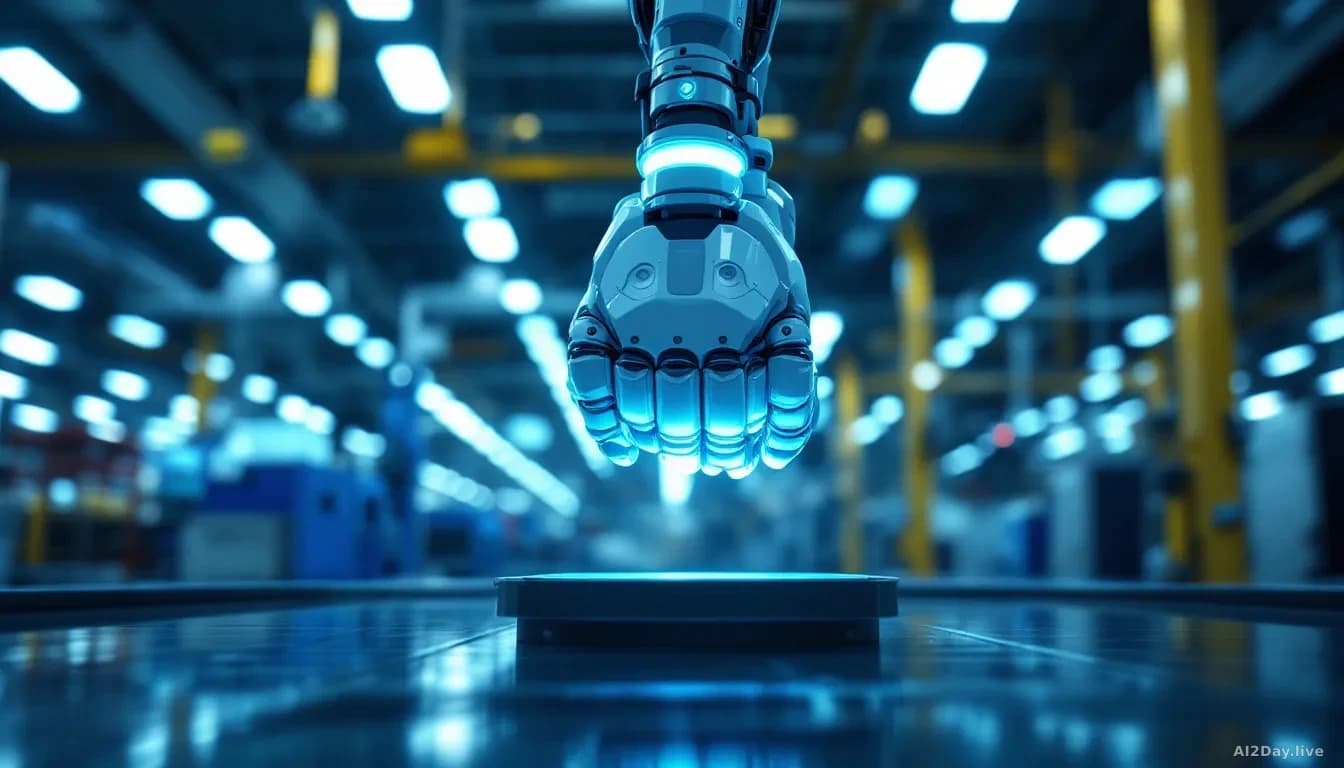
- Robotics company 1X demoed a new pair of dexterous robot hands in July, claiming the technology could eventually handle household cooking tasks.
- Elon Musk's AI chatbot Grok drew criticism after its translation feature produced unsolicited explicit content.
- Meta's AI-enabled smart glasses raised fresh privacy concerns, with reports suggesting new features could make them more intrusive.
- Big Tech's energy emissions continue to climb as data centres, the massive warehouses of computers that run AI, demand more and more power.
- Semiconductor workers in South Korea, flush with large bonuses from the chip industry boom, reportedly saw a surge in dating-app attention.
Some AI news arrives with fanfare. Some arrives with a wince. The past few weeks delivered a generous helping of the second kind.
What did 1X's robot hands actually do?
They cooked. Or at least, they looked like they could. California-based robotics startup 1X showed off a new set of robot hands in a July demo, and the footage spread quickly. The hands moved with a level of precision, the kind of fine-finger control that robots have historically struggled with, that impressed engineers and unnerved everyone else.
The company's pitch is that this dexterity could eventually let household robots prepare meals. An open letter signed by prominent economists had already warned, earlier this year, that AI poses a real risk to many jobs. Adding "home cook" to that list felt, to many viewers, like a step too far.
Not everyone found the demo alarming. A vocal corner of the internet found the hands oddly appealing, which generated its own wave of commentary.
Should users be worried about Grok's translation feature?
Users who encountered the issue certainly were. Grok, the AI chatbot built by Elon Musk's company xAI, reportedly surfaced explicit, pornographic content through its translation tool without users asking for it. Translation features are straightforward: you type text in one language, you get it back in another. That basic expectation makes the behaviour more alarming, not less.
MIT Technology Review flagged this as part of a wider pattern of unexpected outputs from AI systems that lack strong content guardrails, the built-in rules that stop a model producing harmful material.
What is the bigger picture on Big Tech and emissions?
It is not a flattering one. The energy required to run AI keeps growing. Data centres now consume electricity at a rate that several major tech companies' own climate pledges cannot keep pace with. Microsoft, Google and others have each reported rising carbon emissions in recent years, directly linked to AI infrastructure expansion. No reversal is in sight.
What happens next for Meta's glasses?
Meta's Ray-Ban smart glasses already draw concern because they can record video discreetly in public. Reporting suggests Meta plans to add new AI features that would give the glasses greater awareness of the wearer's surroundings. For anyone near a person wearing them, that raises real questions about consent.
If you are in a public or shared space, these glasses are already in use. There is no reliable way to know when they are recording.
Common questions
Are robot hands like 1X's available for home use?
No. The July demo was a controlled showcase, not a product launch. Home robotics of this kind remains years from any commercial release.
What should I do if an AI tool produces content I did not ask for?
Stop using that session, report the output through the platform's feedback tool, and avoid storing or sharing the material. Reporting helps companies identify failures in their content guardrails.