Boston Dynamics Is Teaching Its Robot to Behave, Not Just Move
A free webinar on 22 July reveals how animation tricks and AI are making humanoid robots easier for real workers to trust.
Key points
- Boston Dynamics is hosting a free webinar at 11:00 a.m. ET on Wednesday, 22 July 2026 on human-robot interaction design.
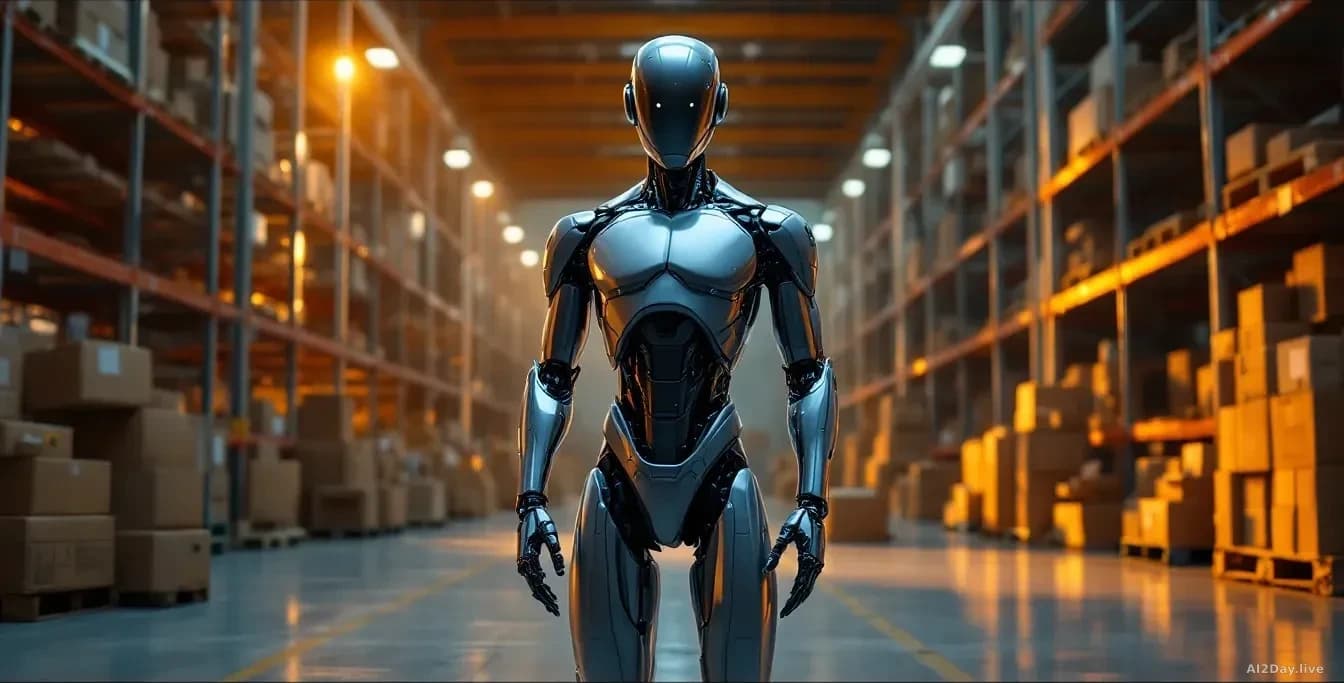
- The session focuses on Atlas, Boston Dynamics' electric humanoid robot, which is one of the few humanoids currently in commercial trials.
- Speakers argue that predictability, not human-like appearance, is the key to safe robot-human coexistence.
- Large language models, the AI technology behind chatbots like ChatGPT, are helping robots move away from rigid, pre-programmed scripts.
- One speaker spent 14 years as a character animator at Disney Studios before joining robotics.
Humanoid robots are leaving the lab. They are showing up on factory floors and in commercial spaces, working alongside real people. That raises an obvious question: how do you stop a two-legged machine from being terrifying?
Boston Dynamics thinks the answer is good design, not a friendlier face.
The company is running a free webinar called "The Art Behind Human-Robot Interaction" on Wednesday, 22 July 2026, at 11:00 a.m. ET. Two speakers will walk through how they are making Atlas, Boston Dynamics' flagship electric humanoid robot, feel predictable and safe to work near. As first reported by The Robot Report, the session pulls from both engineering and an unlikely source: classic animation.
Leland Hepler, a product designer at Boston Dynamics, animated characters for Disney for 14 years, working on films including The Lion King. He also spent a decade creating AI characters for video games. He now applies those same instincts to Atlas, using motion and visual cues to signal what the robot is about to do before it does it.
Think of it like a good driver who checks their mirror and signals before changing lanes. The robot equivalent is a small movement or visual indicator that says: I see you, and here is what comes next.
Joining Hepler is Mario Bollini, the director of human-robot interaction at Boston Dynamics, who led Atlas through its launch at CES and helped scale the company's four-legged Spot robot to thousands of deployed units worldwide.
What will workers actually learn from this?
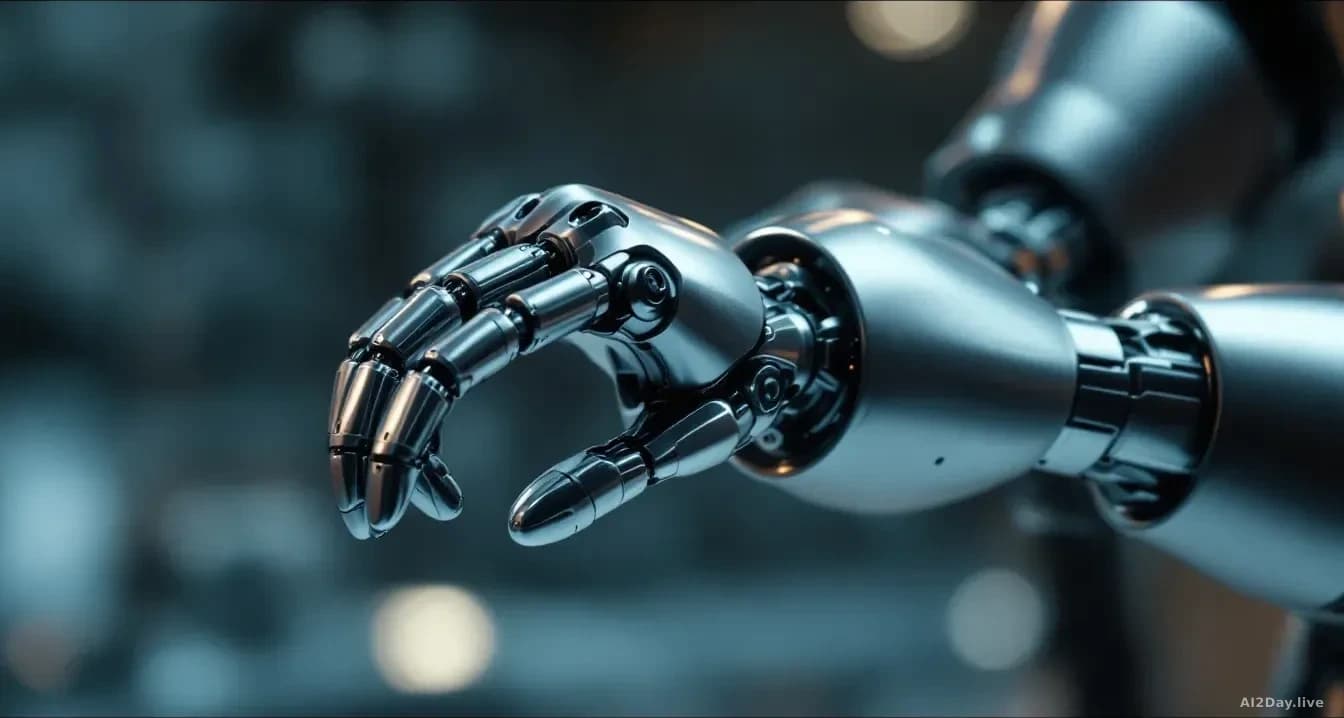
Attendees will get concrete answers on four things. First, how robots communicate intent through what the team calls "anticipatory cues," small signals that tell nearby humans what the machine is thinking. Second, how the electric Atlas is designed to work alongside people without the safety caging (the physical barriers usually required to keep workers away from industrial machines) that most factory robots need. Third, how large language models are replacing rigid, pre-scripted robot behaviour with something more flexible. Fourth, why leaning into a robot's mechanical appearance, rather than trying to mimic a human, actually reduces the "uncanny valley" effect, the unsettling feeling people get when something looks almost human but not quite.
That last point matters more than it sounds. A robot that looks human but moves wrong is creepy. A robot that looks like a machine and moves honestly is just a tool.
The webinar is free to register for at the Boston Dynamics website. No technical background is needed to follow it. If you manage a team that might share a floor with a humanoid robot in the next few years, this is 60 minutes well spent.