Hyundai Workers Strike Over Humanoid Robots in a Car Industry First
Thousands of unionized workers in South Korea are cutting shifts short and planning longer stoppages after 15 rounds of talks failed to resolve fears about a six-foot robot that can lift over 100 pounds.
Key points
- Hyundai workers at Ulsan, South Korea began ending shifts two hours early from July 13 to 15, 2025, in protest over humanoid robot deployment plans.
- Fifteen rounds of negotiations between the union and Hyundai Motor Group produced no agreement.
- Four-hour strikes are planned for July 20 to 22, 2025, escalating the dispute.
- The Atlas robot, built by Boston Dynamics, stands over six feet tall and can lift more than 100 pounds.
- Boston Dynamics is set to become a wholly owned subsidiary of Hyundai.
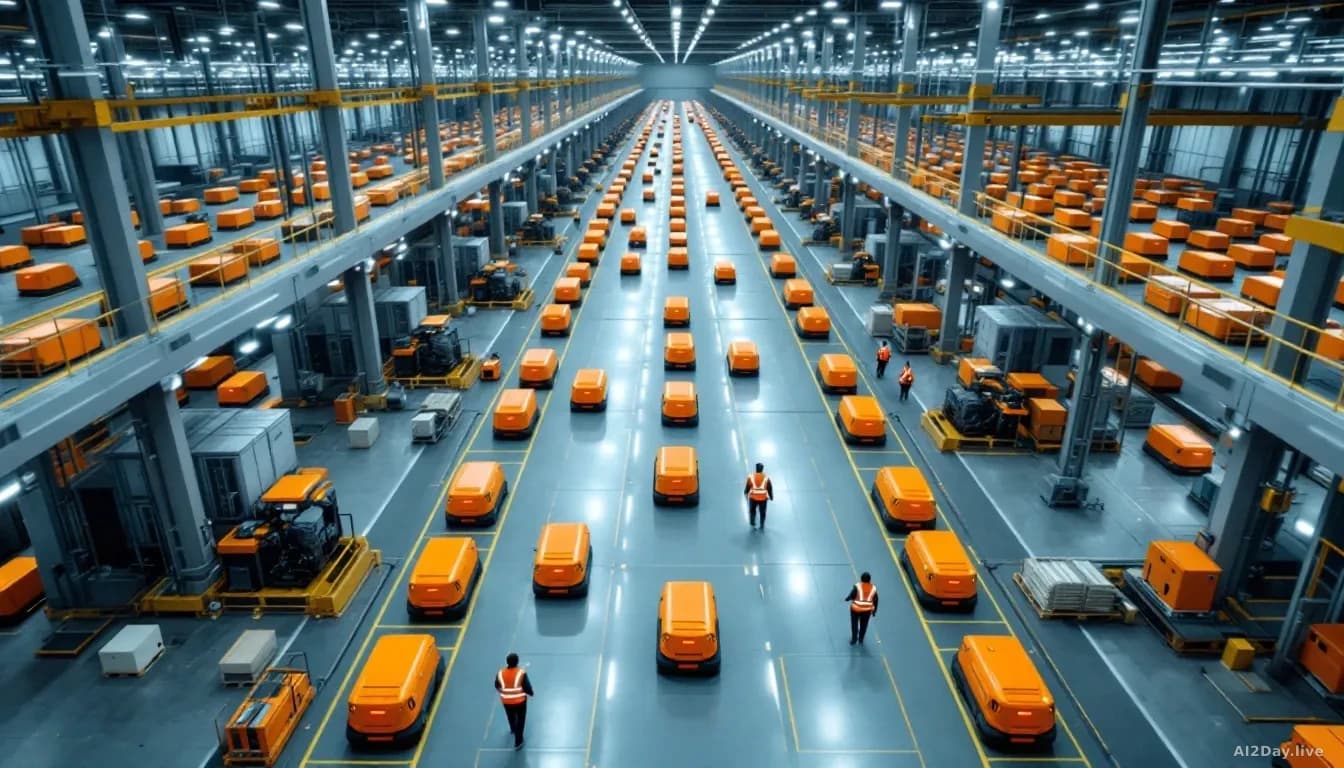
Thousands of workers at Hyundai's Ulsan plant in South Korea, the largest single automotive factory in the world, have started walking off the job early. The cause is not pay or hours. It's a humanoid robot, meaning a machine built in human shape that walks on two legs.
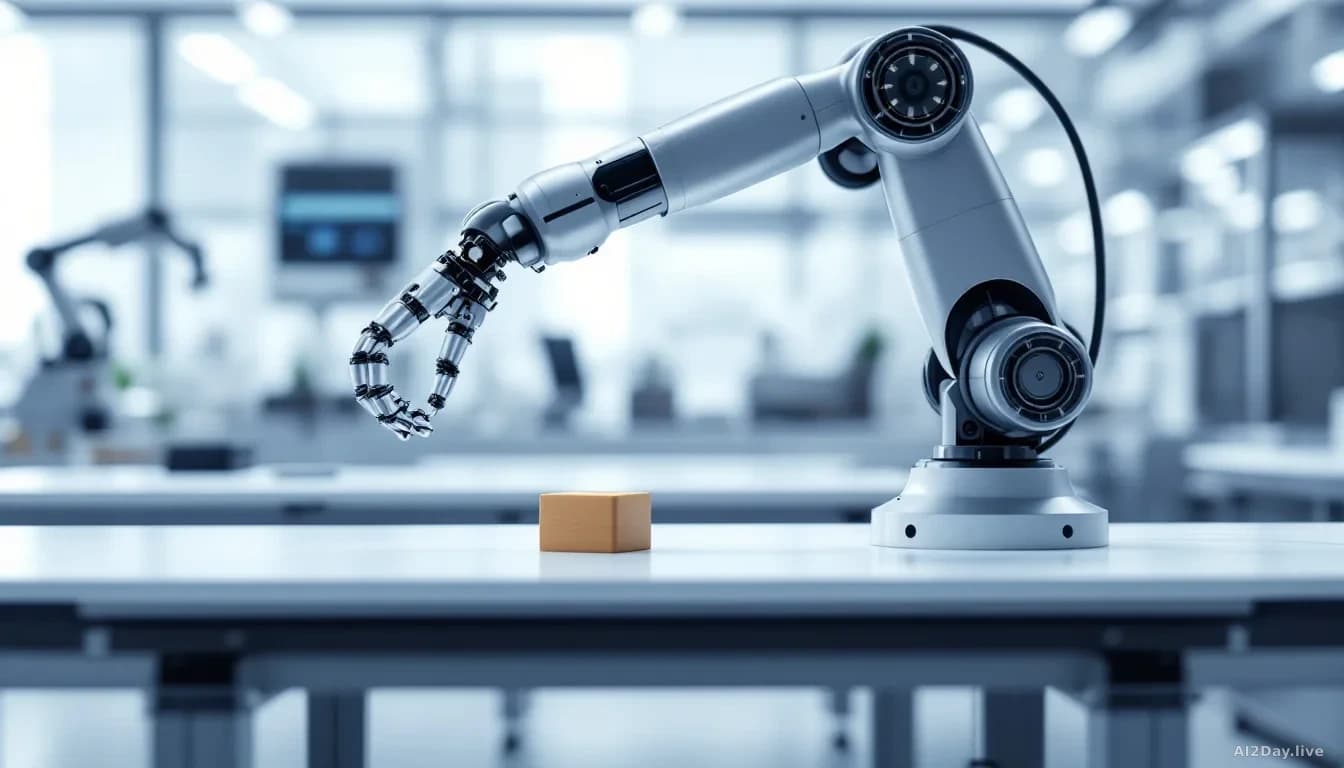
The robot is called Atlas. Boston Dynamics, a US robotics company that Hyundai is in the process of fully acquiring, unveiled a new version of Atlas at the start of 2025. It stands over six feet tall and can lift more than 100 pounds. Hyundai has said it wants Atlas working on factory floors.
The union's response has been a gradual but escalating series of stoppages. Workers ended their day and night shifts two hours early from July 13 through 15. If no deal is reached, four-hour strikes follow from July 20 to 22. Fifteen rounds of formal negotiations have produced nothing.
Ars Technica first reported the dispute as the car industry's first factory stoppage specifically triggered by humanoid robots, citing The Wall Street Journal. That framing matters. Unions have pushed back against automation for decades, but the argument was usually about conveyor belts and warehouse bots. A walking, lifting humanoid on the production line is a different kind of threat in the minds of workers. We reported on 15 July 2026 how Agility Robotics CEO Peggy Johnson is pushing federal policy to catch up with exactly this kind of factory-floor shift.
For the workers involved, the fear is straightforward: a machine that can do what a human body does, in a space designed for human bodies, could replace people job for job.
Hyundai hasn't publicly said how many Atlas units it plans to deploy or on what timeline. That uncertainty almost certainly made the 15 negotiating sessions harder, not easier.
What does this mean for workers elsewhere?
This strike is a signal, not yet a pattern. South Korea's car workers have some of the strongest union protections in the industry, which is partly why they could act quickly. Workers in factories with weaker collective bargaining, the ability for workers to negotiate as a group, have fewer formal levers to pull when employers introduce new automation.
The Ulsan dispute is worth watching as a test case. Any eventual agreement could involve guaranteed headcounts, retraining commitments, or limits on deployments. Those terms could set a template for every factory town where a humanoid robot eventually shows up for its first shift. Or they won't, and workers elsewhere will be starting from scratch.