Health
AI in medicine, drug discovery, diagnostics, and brain-computer interfaces like implants
Utah Opens Its AI Health Sandbox to Prescription Software and Women's Health Tools
The state has approved new pilots letting AI companies test drug-management and women's-health products on real patients, with independent reviewers now watching over the process.
When AI Gets the Fact Right but Credits the Wrong Source, a New Tool Catches It
ProvenanceGuard targets a blind spot in AI fact-checking: a claim can be true and still be falsely attributed. In medical tests, it caught 138 of 139 claims that should have been blocked.

A UK University Trained an AI Air Pollution Forecaster in Two Days, Then Moved It to a Desktop
Researchers at the University of Manchester used Nvidia's weather AI tools to build a UK-wide pollution model accurate to a few square kilometres. The same model that needed a national supercomputer to train now runs on a desk.
UK watchdog says AI in the NHS needs its own rulebook
Britain's medicine regulator has published 44 recommendations to govern AI health products, including a patient right to know when AI is involved in their care.

Google says its AI now touches 300 languages and 7 billion people. Here's what that actually means.
From spotting missed breast cancers to warning Jamaicans about a hurricane, Google is rolling out AI tools that reach far beyond the chatbot.
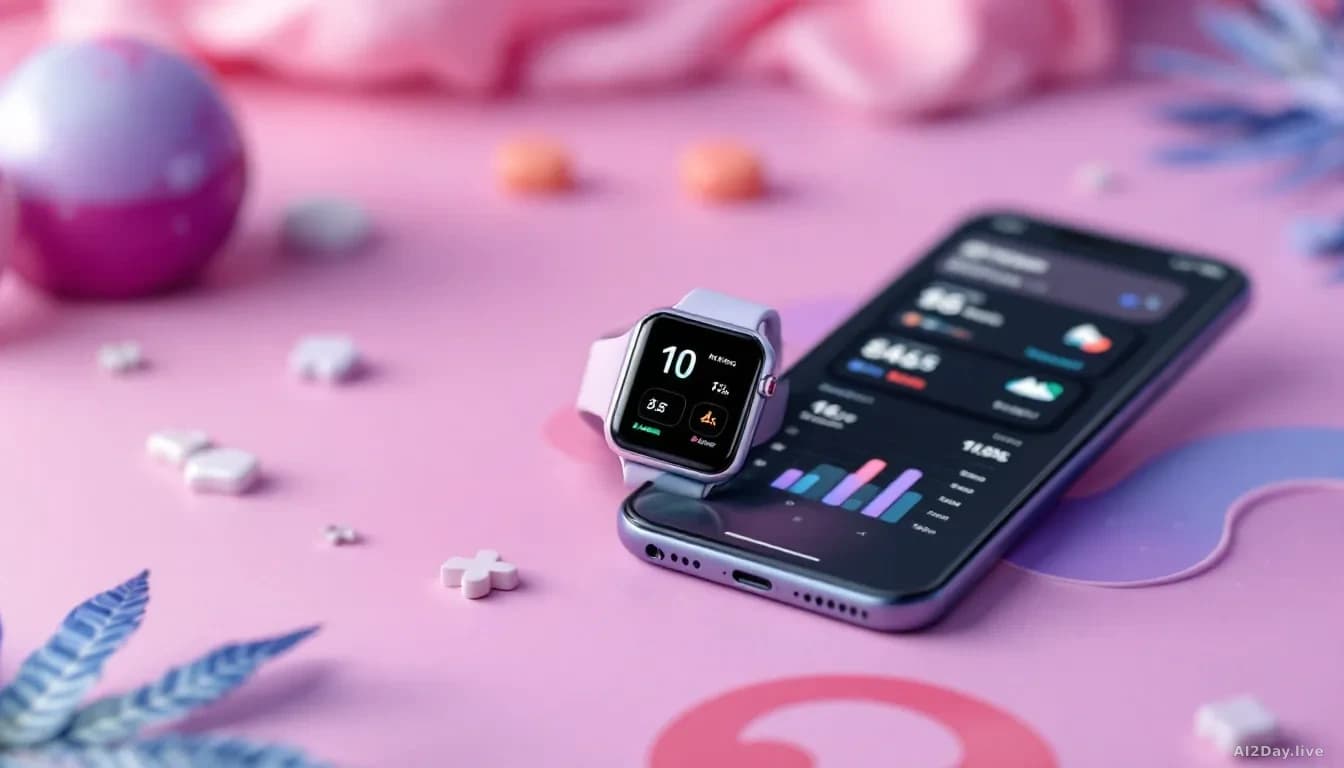
Apple's Health App Will Now Tell You Your 'Health Age' and How Ready Your Body Is Today
A revamped Apple Health app uses Apple's on-device AI to turn your watch and phone data into a single readiness score, a biological age estimate, and personalised coaching tips.

Arm Holdings CEO says AI will help cure cancer within our lifetimes
Rene Haas, chief executive of the chip designer behind most smartphones, believes AI will eventually crack biological puzzles too complex for humans alone. He also sees humanoid robots going mainstream within five years.

A GP Says AI Consultation Notes Are Making Her Job Harder, Not Easier
An out-of-hours doctor warns that AI-written patient notes are riddled with errors and contradictions, and that she trusts a colleague's typed summary far more than anything a machine produces.

Patients Are Pulling Their NHS Data Over Palantir Concerns, Minister Warns
Tens of thousands of people have withdrawn their medical records from NHS research programmes, and the UK's health innovation minister says distrust of the American technology firm Palantir may be to blame.
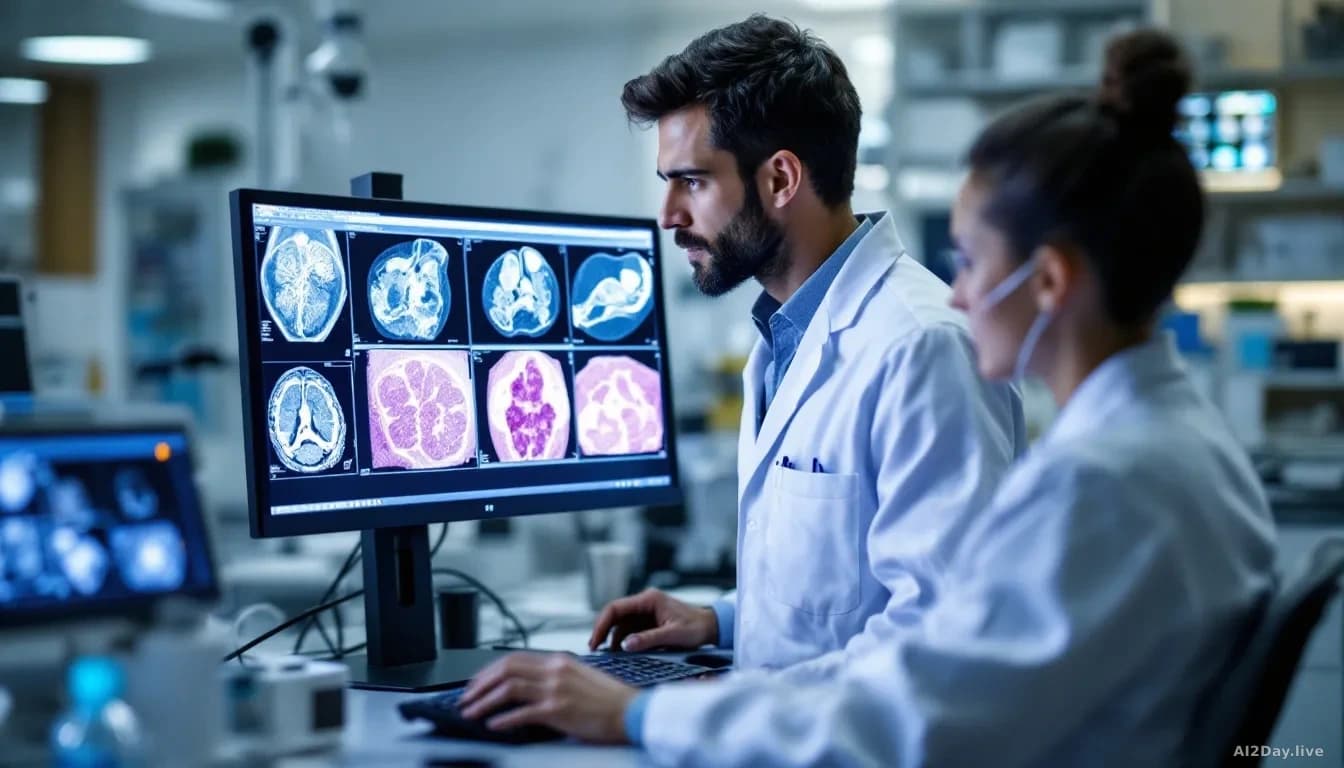
Faster cancer-slide AI cuts computing cost by 50 times, Microsoft Research says
Two new open-weight models shrink the hardware needed to scan thousands of cancer tissue slides, bringing large-scale pathology research within reach of labs that can't afford supercomputer budgets.
ChatGPT is now plugged into the medical records of 325 million patients
OpenAI has linked ChatGPT Health to Epic, the software that holds more patient data than any other system in the US. Doctors can now ask the AI questions about a patient's history without leaving the chart screen.
NHS watchdog warns AI scribes are getting drug names and diagnoses wrong
Software that listens in on doctor appointments and writes up notes is making serious medical errors that GPs are missing, according to Healthwatch England.
Screen-Free Wearables Are Booming, and AI Is Both the Reason and the Cure
A new wave of trackers collects your health data without demanding your constant attention. AI helped create the problem they're trying to solve, and it may also be what makes them actually useful.

The VC Who Left $4 Billion Behind to Bet Small on AI Biology
Vijay Pande ran one of venture capital's biggest biotech funds. Now he wants to prove that a smaller, AI-native firm can do what the giants cannot: treat biology like engineering.

AI Alone Will Be a Better Doctor Than Your Doctor, a New Paper Argues
A JAMA paper co-authored by a leading oncologist and a tech investor argues that fully autonomous AI will outperform both human doctors and human-AI teams by 2030. Even the sceptics are starting to concede the point.