Autodesk puts $1 million into a University of Florida lab that wants robots to build your next home
Florida is short more than 121,000 homes. A new robotics lab and the country's first degree in industrialized construction aim to close that gap with factory-built housing and collaborative robots.

Key points
- Autodesk donated $1 million to the University of Florida to open the Autodesk Design and Make Laboratory, dedicated to construction robotics.
- The University of Florida launched the United States' first Bachelor of Science in Industrialized Construction Engineering, welcoming its first students this autumn.
- Florida is short more than 121,000 homes and rental units, according to UF's Shimberg Center for Housing Studies.
- Autodesk had already invested $1.5 million in 2024 to help create the degree program, bringing its total commitment to $2.5 million.
- Graduate researcher Frank Xie is building a computer-vision system that lets robots "read" a building design and assemble it in the real world.
Florida has a housing problem that shows no sign of fixing itself quietly. The state is short more than 121,000 homes and rental units. At the same time, a wave of retirements is thinning the construction workforce. The University of Florida and software company Autodesk are betting that robots and factory-style homebuilding can fill both gaps at once.
Autodesk, whose software is widely used by architects and engineers to design buildings, handed the university $1 million to kit out a new facility on campus: the Autodesk Design and Make Laboratory. The money covers equipment, renovations, and technical support. It follows a $1.5 million investment Autodesk made in 2024 to help launch UF's brand-new degree program, putting the company's total commitment at $2.5 million.
What will students actually learn?
Starting this autumn, students can enrol in what UF says is the country's first Bachelor of Science in Industrialized Construction Engineering. The degree treats homebuilding less like a craft and more like manufacturing: precise, technology-driven, and done largely off-site in controlled factory settings.
The curriculum centres on tools such as BIM (Building Information Modelling, software that creates a detailed digital model of a structure before a single brick is laid), digital twins (live virtual copies of a building or process that update in real time), and prefabrication (building sections of a structure in a factory, then shipping them to the site). Students also get hands-on time with a large-scale concrete 3D printer made by COBOD and a dedicated demonstration building printed on campus.
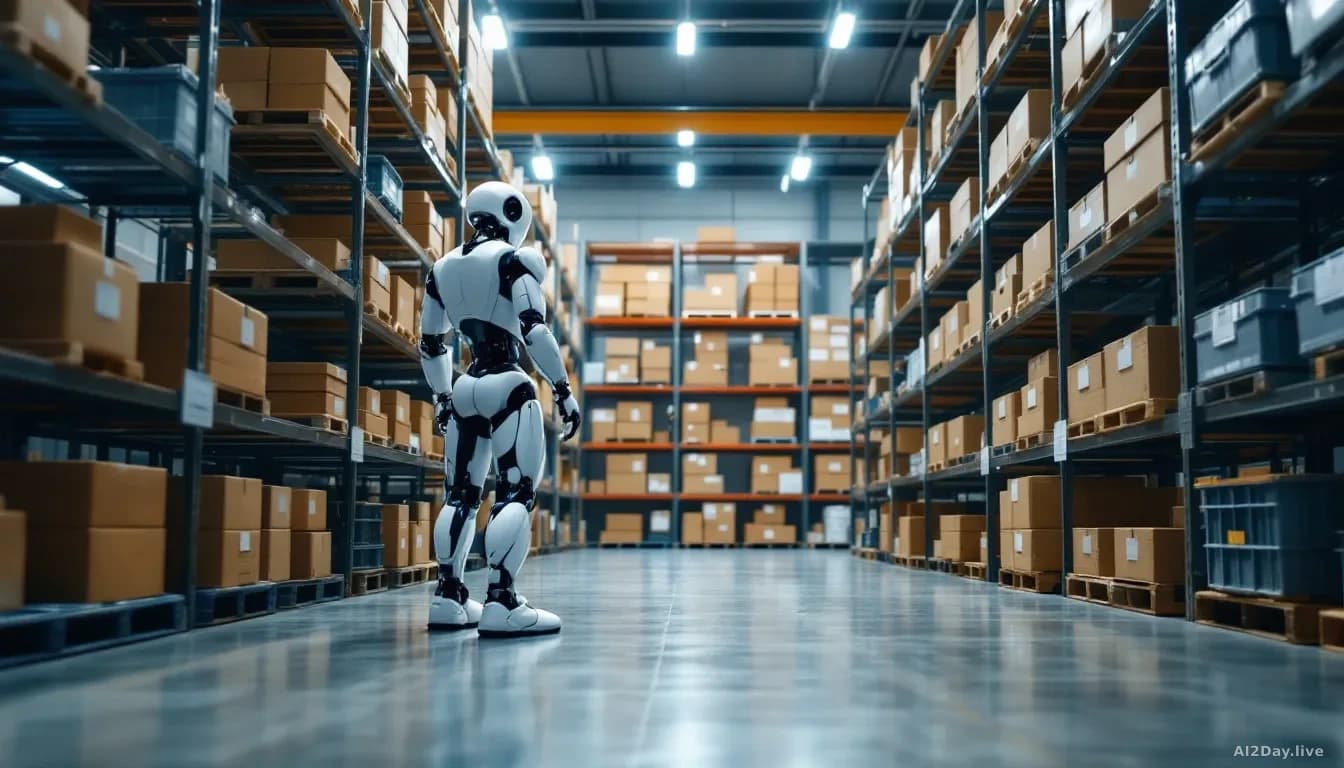
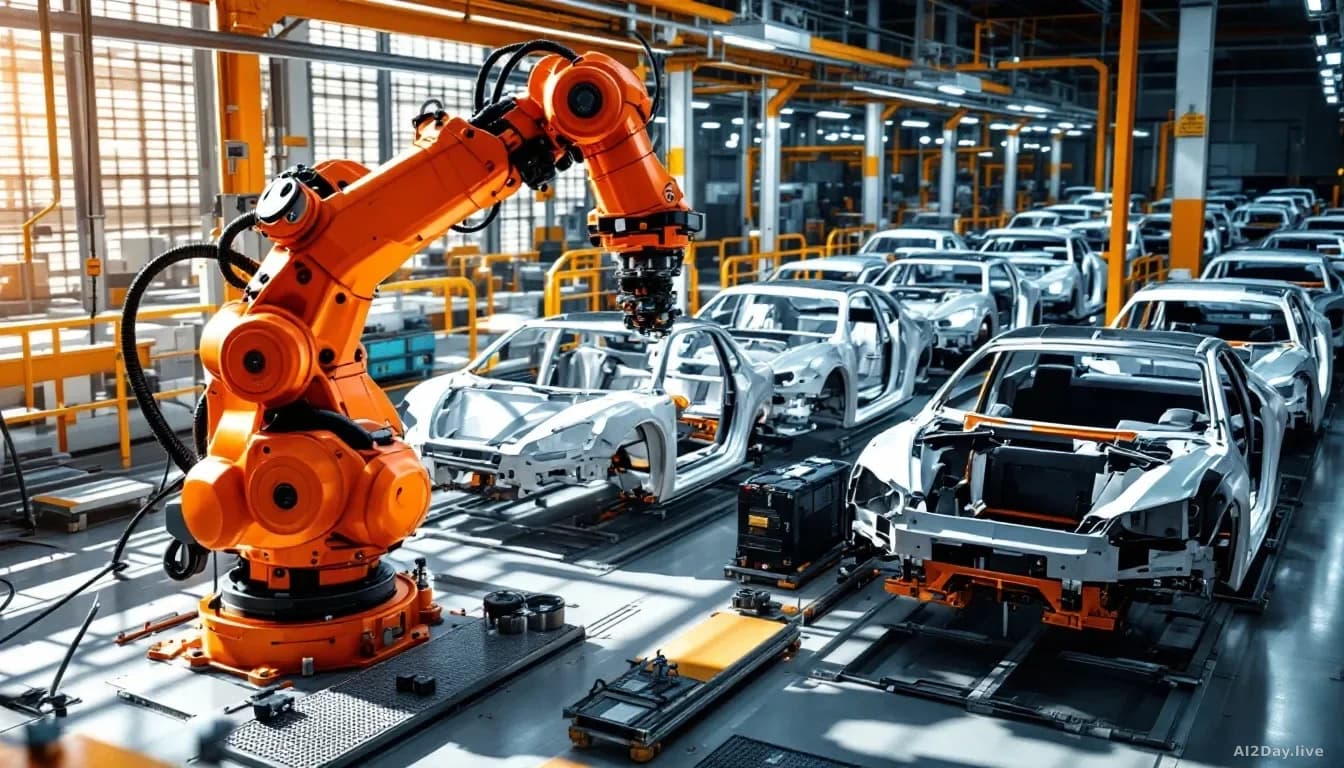
The core idea behind the lab is that robots take on the most dangerous jobs. Wall-framing and panel assembly carry high injury risk for human workers. Under the approach developed by lab director Dr. Aladdin Alwisy over six years of research, collaborative robots, machines designed to work alongside people rather than replace them entirely, handle those tasks. Skilled workers then oversee quality and tackle the complex decisions a robot cannot yet make.
What does this mean for housing costs and availability?
Factory-built construction can move faster than traditional site work and is less dependent on finding enough qualified tradespeople locally. If the approach scales, it could add housing supply faster than the current labour shortage would otherwise allow.
Graduate researcher Frank Xie offers a glimpse of where the technology is heading. Xie is building a computer-vision system, software that lets a robot "see" the way a human eye does, using digital twins modelled in Autodesk Fusion. The goal is a robot that reads a construction design and translates it directly into physical assembly. It is early-stage work, first reported by The Robot Report, but it illustrates exactly what the new lab is built to speed up.
| Milestone | Detail |
|---|---|
| 2024 Autodesk investment | $1.5 million to create ICon degree |
| 2025 lab donation | $1 million for equipment and fit-out |
| Total Autodesk commitment | $2.5 million |
| First student cohort | Autumn 2025 |
| Florida housing shortfall | 121,000+ homes and rental units |
Dean Chimay Anumba called the partnership "unique" and said it would improve productivity, safety, quality, and sustainability in construction.
One honest note worth adding: a single university lab and one graduating cohort will not solve a six-figure housing deficit on their own. The real test is whether the methods developed here get adopted by builders at scale. That takes time, investment, and a market willing to change how it works.
Takeaway: If you work in construction or manage a building project, watch industrialized construction closely. The first generation of workers trained specifically in these methods graduates in a few years, and they will bring expectations about what is normal on a job site that look very different from today.
Common questions
Does this mean robots will take construction jobs?
Not entirely. The lab's model pairs robots with skilled workers: robots do the physically dangerous, repetitive tasks, while people handle oversight and complex decisions. The bigger near-term challenge is a shortage of workers, not a surplus.
Will factory-built homes be cheaper?
Potentially. Factory construction can cut waste and build time, which reduces cost. But pricing also depends on land, financing, and local regulations, none of which a robot can fix on its own.