This startup just raised $115 million to put robot excavators on building sites
TerraFirma wants one skilled operator to control an entire fleet of diggers and dozers from a screen, making each worker up to three times as productive.
Key points
- TerraFirma raised $115 million in a Series A round, led by Kleiner Perkins, in July 2026.
- U.S. Construction labour productivity has fallen by an average of 0.6% per year since 1965, according to the U.S. Department of Commerce and Goldman Sachs.
- TerraFirma claims its system can make each equipment operator up to 300% more productive by letting one person control multiple machines remotely.
- The Austin, Texas company was founded in 2024 by two former SpaceX engineers.
- Recent completed projects include site preparation for a Starbucks in North Austin and a power substation in New Braunfels, Texas.
A construction startup founded by two former SpaceX engineers has pulled in $115 million to turn diggers and bulldozers into semi-autonomous robots: machines that still rely on a human for every decision, just not a human sitting in the cab.
TerraFirma, based in Austin, Texas, announced the funding this week. Kleiner Perkins led the round, joined by Bain Capital Ventures and others including Glade Brook Capital Partners and Magnetar Capital, as first reported by The Robot Report.
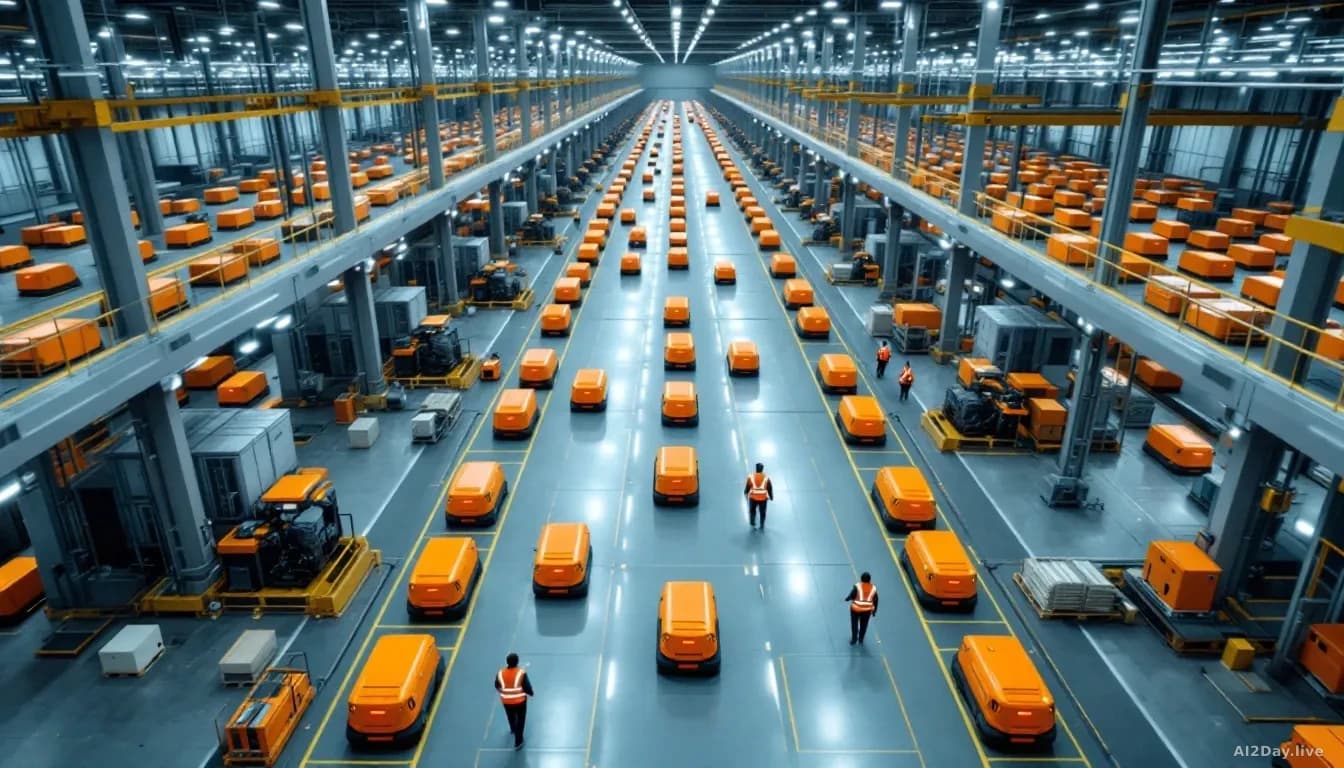
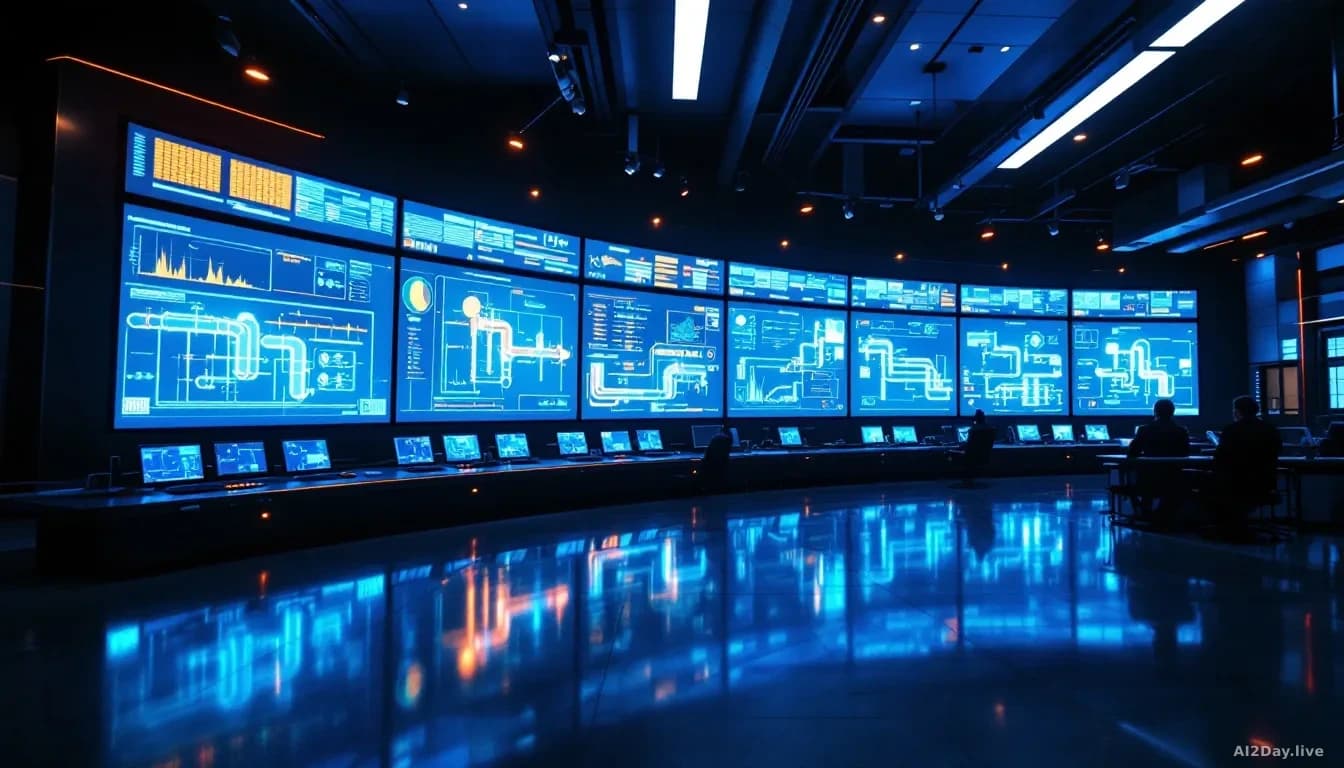
The core idea is straightforward. A skilled operator sits at a bank of screens in a remote command centre and steers multiple machines at once, rather than climbing into one cab and moving a single digger all day. TerraFirma retrofits standard heavy equipment with cameras and software so it can be controlled this way. No science-fiction prototype. Real excavators, real dirt.
Co-founder and CEO Noah Schochet says the industry desperately needs this. Since 1965, U.S. Construction productivity has actually declined, falling at roughly 0.6% per year on average. Over the same period, productivity across the broader economy grew at about 1.6% annually. TerraFirma estimates that gap has cost the equivalent of around $1 trillion every five years.
The machines aren't fully driverless. That point matters.
"It is not about trying to fully automate construction equipment," said co-founder and CTO Noah McGuinness. Skilled operators still make every meaningful judgement call. The technology simply lets one person's expertise stretch across an entire fleet instead of a single machine.
TerraFirma says that approach can make each operator up to 300% more effective, meaning fewer workers per project but safer, better-paid roles for those who do operate, since they work from a screen rather than inside a vibrating cab on a dusty site. We covered a related shift on 16 July 2026, when Xpanner's robot arm cut a ten-person solar panel crew to three: the pattern of multiplying one skilled worker's reach, rather than replacing workers outright, is becoming a genuine construction-sector playbook.
The company is already working on real projects. Recent Texas jobs include site preparation for a new Starbucks in North Austin, groundwork for a sports arena in Spicewood, and a power substation in New Braunfels. TerraFirma also holds contracts with the U.S. Government for infrastructure work in difficult international locations, though it didn't name them.
Long-term, the founders want to take this to the Moon and Mars, arguing the same remote-control software would transfer directly to off-world sites where you can't send anyone into a cab at all.
What does this mean for construction workers?
TerraFirma isn't pitching mass layoffs. Its argument is that one operator controlling four machines earns more than one controlling one, and avoids the physical hazards of sitting inside heavy equipment all day. Whether contractors pass those savings to workers rather than absorb them as margin is the real question to watch. The $115 million goes toward engineering hires and expanded manufacturing, so the rollout is still early.