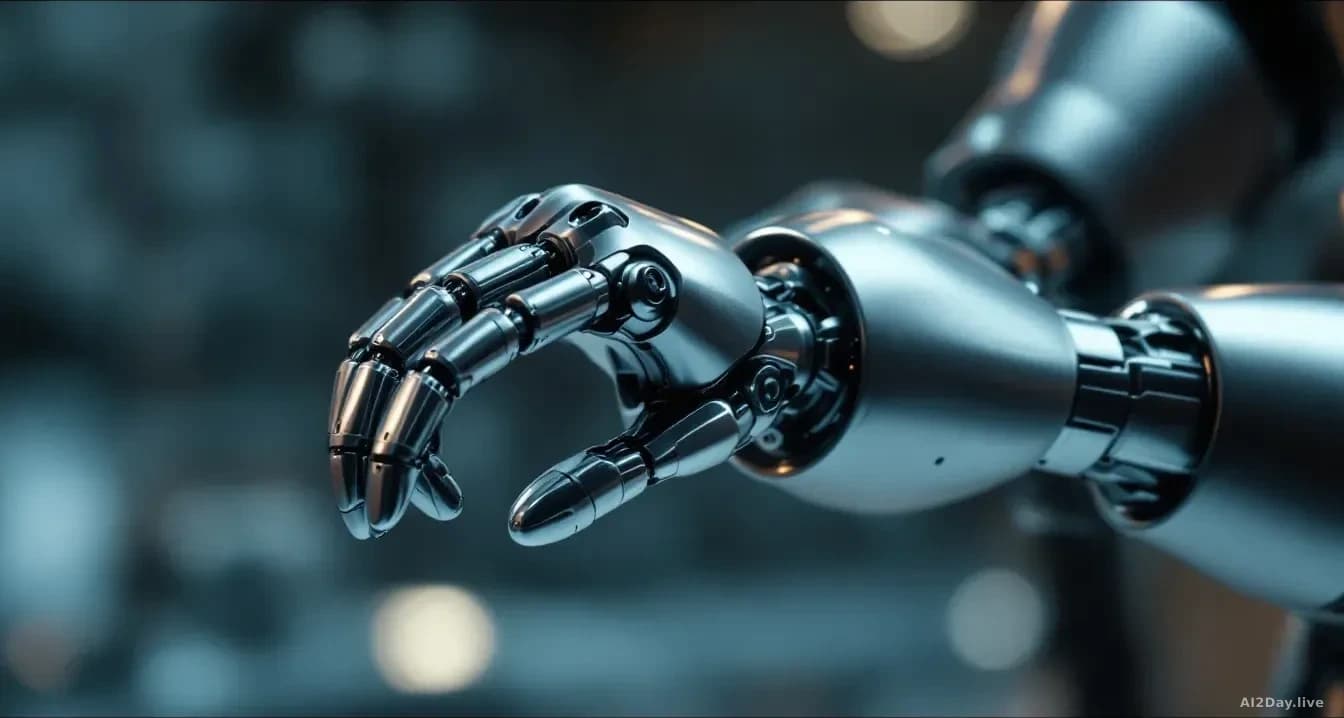
Robots are now shaping missile parts for Lockheed Martin, and the process looks like a digital blacksmith
A startup called Machina Labs has won a contract to make metal components for a US Air Force missile, using robotic arms that hammer sheet metal into shape the way a blacksmith would, only faster and guided by software.
Key points
- Machina Labs secured a qualification contract from Lockheed Martin in 2025 to supply metal parts for the JASSM (Joint Air-to-Surface Standoff Missile) program.
- This is the first time a component made with Machina's RoboForming technology has reached qualification status for a US defense missile system.
- Machina's new Factory 3, a 200,000-square-foot facility, will house up to 50 robotic forming cells dedicated exclusively to defense clients.
- Lockheed Martin Ventures, the investment arm of Lockheed Martin, has already invested in Machina before this contract was announced.
Machina Labs, an advanced manufacturing company based in the US, has landed a qualification contract from Lockheed Martin to produce metal parts for the JASSM missile. JASSM stands for Joint Air-to-Surface Standoff Missile, a long-range weapon used by the US Air Force and its allies. First reported by The Robot Report, the deal marks a genuine milestone: it is the first time Machina's robotic forming process has cleared the bar for an active US missile programme.
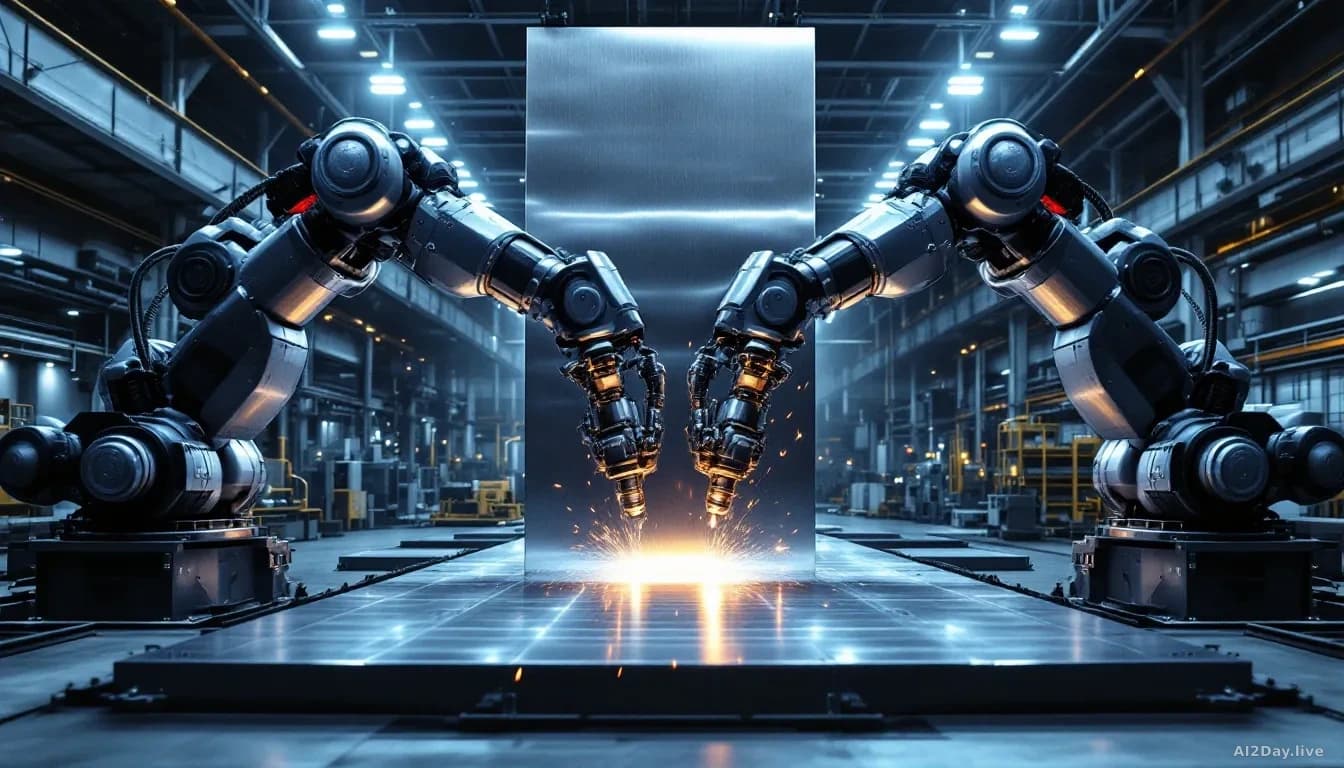
So what does Machina actually do? Picture two industrial robot arms facing each other across a flat sheet of raw metal, titanium for instance. They press and pound the sheet from opposite sides in a carefully coordinated dance, gradually pushing it into a precise three-dimensional shape. It is exactly how a blacksmith works, except the robots follow a digital design file and can shift to a completely different part shape within hours.
That speed matters a lot. Traditional missile manufacturing uses stamp-and-die lines, where a custom steel mould is built for each part. Moulds cost a fortune and take months to make. Machina's robot workcells need no mould at all. You change the design file, and the robots change what they make. The company says this can compress production timelines from months to days.
For ordinary people, the practical implication is simpler than it sounds: the bottleneck in building missiles is not the engineering, it is the factory floor. Machina's pitch is that software-driven robots can fill orders that legacy factories simply cannot turn around fast enough.
To handle the new contract, Machina is opening Factory 3, a 200,000-square-foot facility designed to hold up to 50 of its RoboCraftsman cells. The factory will combine forming, machining, welding and assembly under one roof, all dedicated to defence clients including Lockheed Martin.
Importantly, Machina does not sell its robot cells. It acts as a contract manufacturer: customers send designs, Machina makes the parts. Think of it as a very sophisticated, defence-grade machine shop.
Lockheed Martin Ventures, the corporate investment arm of Lockheed Martin, had already backed Machina before this contract was signed. Chris Moran, its vice president and general manager, said the partnership helps "ensure we can deliver mission-critical capabilities at scale."
What does this mean for defence manufacturing?
It means the US military is actively betting on software-driven factories to close production gaps that old-style manufacturing cannot fill. If Machina's parts pass full qualification, expect other defence prime contractors to look hard at similar robotic forming technology for their own supply chains.