London's first robotaxis are now bookable on Uber, but only 15 cars are out there
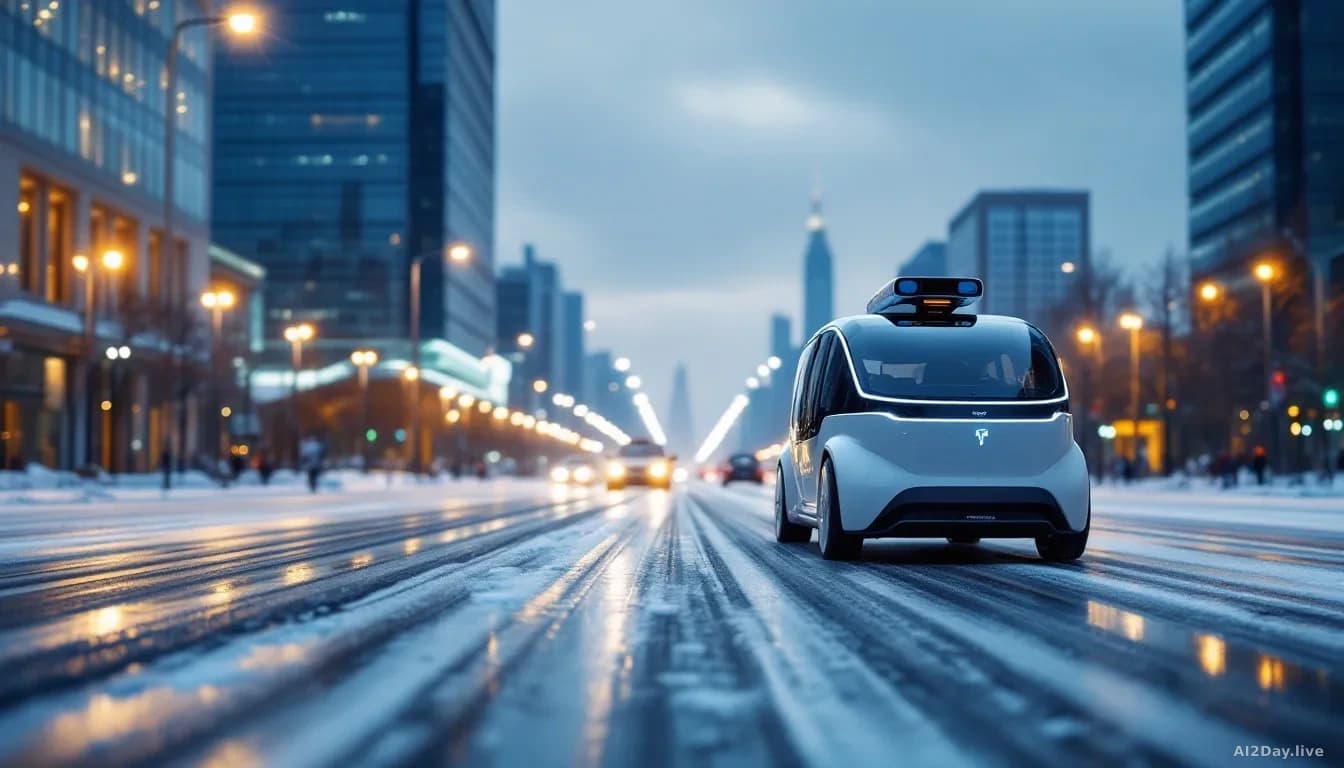
Wayve's self-driving vehicles have quietly joined the Uber app, giving Londoners a way to hail an autonomous taxi for the first time. Catch is: your odds of actually getting one are very low.
Key points
- Wayve, a London-based self-driving car company, added its autonomous vehicles to the Uber app on Thursday.
- Only 15 Wayve robotaxis currently hold the licences needed to carry paying passengers in London.
- Roughly 100,000 Uber customers in London have already signed up for the chance to take an autonomous ride.
- Every Wayve vehicle carries a human in the front seat, trained to take control if something goes wrong.
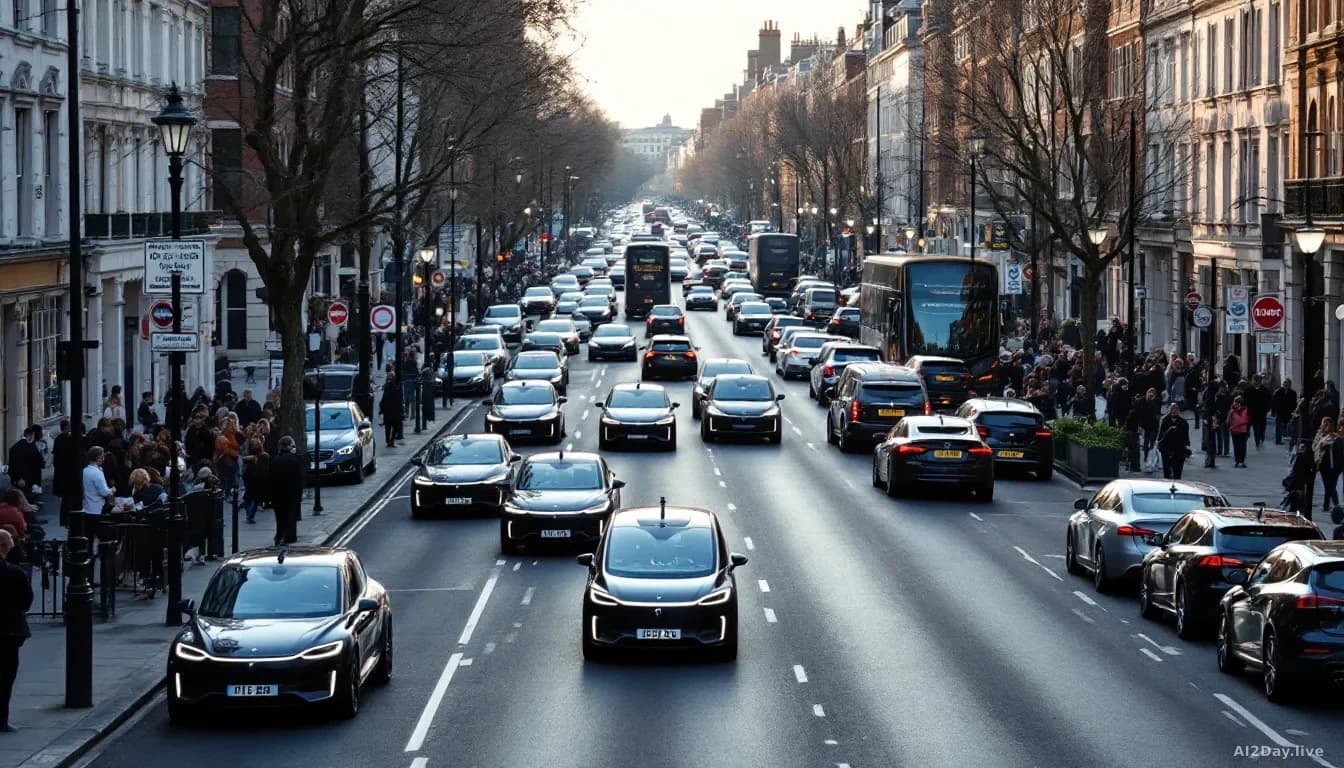
- London has more than 100,000 licensed private-hire vehicles in total, dwarfing the robotaxi fleet.
For the first time, Londoners can open the Uber app and request a self-driving taxi. Wayve, a UK startup that builds software to make cars drive themselves, quietly launched paid rides on Thursday, as first reported by The Guardian. Back in August, we reported that the launch had slipped from an earlier summer window, so Thursday's live service is the moment that promise finally landed.
The steering wheel moves on its own. A trained human sits in the front, ready to take over the moment the system needs help.
How likely are you to actually get one?
Not very. Only 15 Wayve vehicles are licensed to carry paying passengers right now, against more than 100,000 private-hire cars already operating across the city. About 100,000 Uber customers have registered interest, so the waiting pool and the fleet are wildly mismatched.
Think of it less as a new transport option and more as a live public trial. Most people who try to book will get a regular Uber instead.
What is Wayve, and how does its technology work?
Wayve trains its driving software by showing it millions of hours of real footage until it can handle junctions, cyclists and rain-soaked roundabouts on its own. The company calls this "end-to-end AI": cameras feed in what they see and the system produces steering and braking decisions directly, skipping hand-written rules entirely.
Backed by Nvidia and SoftBank, Wayve has been testing on London streets for several years. Thursday's Uber launch is its first step into carrying paying passengers.
What does this mean for ordinary passengers?
If you do land a Wayve ride, you sit in the back as you normally would. It's the human up front who monitors everything, ready to intervene instantly. Wayve and Uber haven't published the fare structure yet, so how pricing compares to a standard ride remains unclear.
For most Londoners, nothing changes today. The 15-car fleet is a proof of concept, not a service. Whether that changes over the next year or two depends entirely on how cleanly this trial runs and how quickly licensing expands. Wayve isn't the only company racing that clock: Waymo is targeting Munich by late 2027, and Uber and Pony.ai are planning 2,000 self-driving cars across Europe. London is now in that race for real.
Common questions
Is it safe to ride in one of these cars?
Every vehicle has a trained human safety operator in the front seat who can take control at any moment. The cars also went through Transport for London licensing before carrying passengers, the same process any private-hire vehicle must pass.
Will self-driving taxis replace Uber drivers?
Not soon. Fifteen cars against more than 100,000 licensed drivers in London isn't a threat to anyone's job today. Fleet size would need to grow by orders of magnitude before that conversation becomes practical.