AI Is Already Replacing Workers in China. Here Is What That Looks Like on the Ground
From driverless taxis breaking down in Wuhan to factory floors going quiet, Chinese workers are living through something the rest of the world is still debating.
Key points
- Apollo Go robotaxis, driverless vehicles powered by AI, were pulled off Wuhan's roads for months after a system failure stranded passengers in March.
- Workers across China report growing anxiety about AI replacing their jobs as the labour market tightens.
- The Wuhan incident shows that AI in transport is real and in use today, not a distant forecast.
On a tree-lined street in Wuhan, a city of 13 million in central China, a passenger climbs into a robotaxi and expects a normal ride. No driver. Just a camera and software making every decision. In March, several of those taxis stopped dead in traffic. The AI behind them, a system called Apollo Go built by Chinese tech giant Baidu, hit what the company called a "system malfunction." Riders sat stranded for hours. Authorities pulled Apollo Go from Wuhan's roads for months while investigations ran.
What does this mean for ordinary people?
For passengers, it's simple: the technology works until it doesn't, and when it fails there's nobody on board to help. Workers face something bleaker.
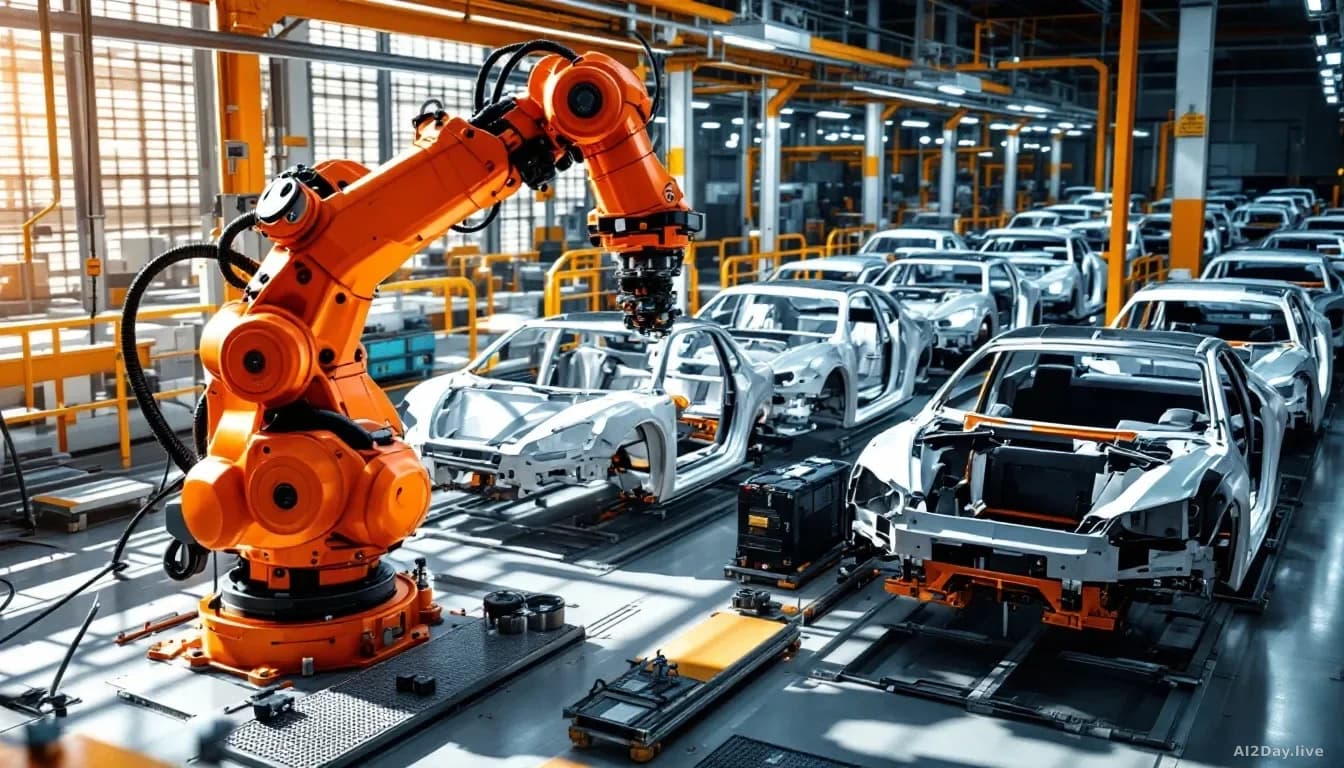
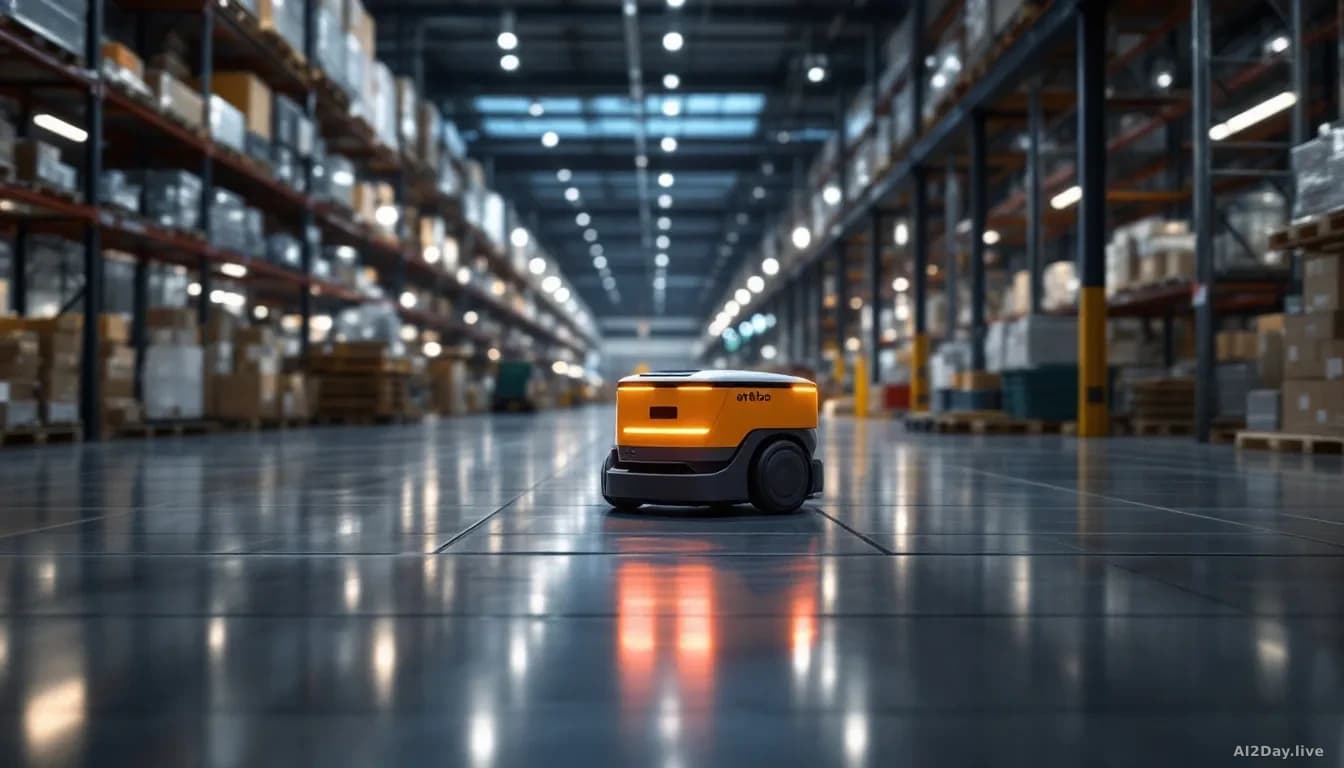
Across China, AI is hitting jobs in ways that feel very concrete. Warehouse pickers replaced by robots. Customer-service agents undercut by chatbots, software that holds conversations in plain text. Delivery routes optimised by algorithms that shrink the headcount. The Guardian reported on workers who say they already have their answer to the headline question: yes, AI took the job.
This isn't science fiction. Apollo Go had completed millions of rides in Wuhan before March's breakdown, charging real fares in real traffic, competing directly with human drivers. We first covered Baidu's expanding role in China on 19 July 2026, when Apple chose it to power iPhone features for Chinese users.
Should workers outside China be worried?
Not panicked, but paying attention, yes. China tends to move faster on deploying this kind of technology at scale, partly because regulation moves more quickly there too. What plays out in Wuhan often previews what arrives elsewhere within a few years.
The Wuhan saga captures two things at once. AI tools are genuinely capable enough to do jobs people used to do. They're also not reliable enough to do those jobs without hiccups that a human would handle in seconds. That gap matters more than either fact alone.
For anyone whose job involves driving or processing routine paperwork, the honest advice is: watch what's being automated in your sector, and start building skills that sit alongside AI rather than against it. Our earlier story on which human skills still hold their value is worth a read.
Common questions
Is Apollo Go available outside China?
Apollo Go currently operates in Chinese cities including Wuhan and Beijing. Baidu has signalled interest in international markets but has no confirmed launch dates outside China as of mid-2025.
How does a robotaxi actually work?
A robotaxi uses cameras, radar and GPS to build a live map of its surroundings, then runs that data through AI software that steers, brakes and navigates without a human at the wheel. Apollo Go's vehicles carry a safety monitor in some zones, though Wuhan's fleet had been running fully driverless.
What happens when an AI taxi breaks down?
That's exactly the problem the Wuhan incident exposed. Without a driver, passengers must contact a remote support team, which takes far longer than flagging down a human would.