AI Image Generation Jumped From 1 Story to 6 in Our Feed. Here Is What Actually Drove It
Four separate outlets pushed the topic onto AI2Day this week. Half the stack was Google Pics. The other half was the mess these tools leave behind.
Key points
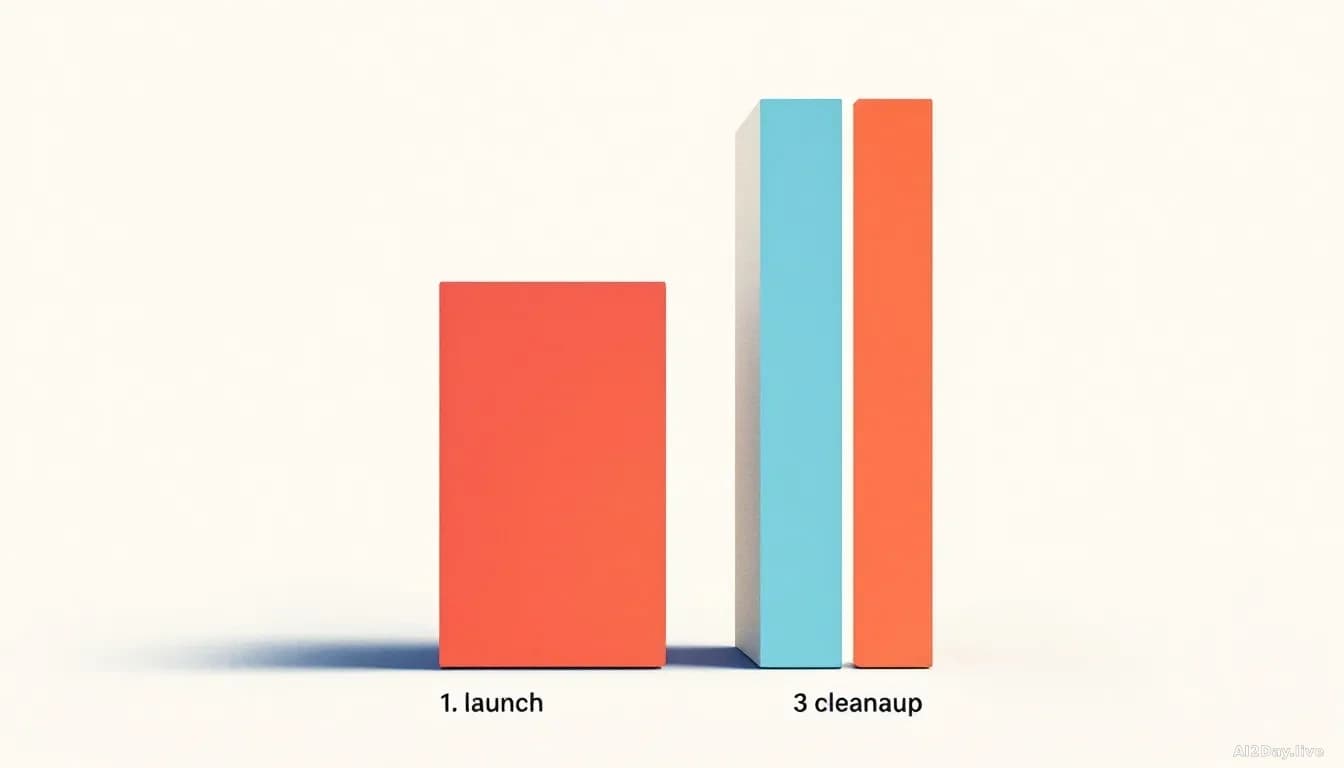
- AI2Day published 6 stories on AI image generation between 2026-08-29 and 2026-09-04, up from 1 story the previous seven days.
- That is a 500% week-on-week rise, and 3% of the 200 stories we ran that week (against 202 the week before).
- The stories came from 4 separate outlets, so this is not a single newsroom's obsession.
- Three of the 6 stories were about one product launch: Google Pics, an AI image editor now inside Google Docs, Slides and Drive.
- The other three were about the downsides: wrong-looking food, recycled political skits passed off as real, and freelancers quitting cleanup work.
What actually moved
One subject went from one story to six in a week. Nothing else in our feed did that. The rest of our output barely moved: 200 stories this week, 202 last week.
So the story is not that we suddenly wrote more. It is that a topic we had almost stopped covering came back, hard, in seven days.
And it came back for two very different reasons.
Why did it jump?
Half of it is one launch. Google released a tool called Pics, an AI image editor built into the apps office workers already use. We covered it three times in a single day, on 2026-09-01, from three different angles: the Workspace rollout, the standalone Pics editor, and the Docs, Slides and Drive integration.
That is three of our six stories from a single company on a single day. When you strip Google out, the underlying rise is smaller: three stories, from three other outlets, on the wider mess these tools create.
What were the other three about?
Not the tools. The exhaust.
On 2026-09-02, we ran a piece on how freelancers are quitting jobs that mostly involve cleaning up AI-generated work. Two days later, on 2026-09-04, we covered why AI-generated food images look subtly revolting, the uncanny plastic sheen that gives them away. Also on 2026-09-04, a piece on an AI-generated 1956 time-trip video and a comedian's rally skit resurfacing in the Daily Mail as if real.
Those three have nothing to do with Google. They are about what generated images do once they are loose: on plates, on payrolls, in newspapers.
What does the shape suggest?
| Slice of the 6 stories | Count | Date |
|---|---|---|
| Google Pics launch coverage | 3 | 2026-09-01 |
| Downstream mess (slop, fakes, aesthetics) | 3 | 2026-09-02 to 2026-09-04 |
| Outlets involved | 4 | across the week |
Read generously, this looks like a week where a big product landing pulled the whole subject back into the news, and the follow-up coverage was mostly critical rather than admiring. Two of the three non-Google stories are, bluntly, about damage.
Read strictly, one launch inflated the number. A 500% rise from a base of 1 is a rise from 1 to 6. That is not a trend. It is a spike.
What would confirm this is a real return, not a Google bump?
A few things I will be watching over the next two weeks:
- Whether image-generation stories stay above 1 or 2 per week once the Pics coverage fades.
- Whether the ratio of product coverage to cleanup coverage keeps tilting toward cleanup. Three of six this week is already high.
- Whether new outlets, beyond the 4 we saw, pick the subject up. Four outlets is a spike. Ten would be a shift.
If the number falls back to 1 next week, the honest reading is: Google had a launch day, and we wrote it up three ways. If it stays at five or six, something in the reader appetite has actually moved. I do not know which yet, and I would rather say so than guess.