Nvidia launches a new robot brain and builds a Japanese AI coalition
The chip giant's Cosmos 3 Edge model aims to give robots and cameras a better sense of the physical world. Fujitsu and Hitachi are signing on, alongside Kawasaki Heavy Industries.

Key points
- Nvidia unveiled Cosmos 3 Edge on Wednesday, a new AI model built to help robots and smart cameras understand their physical surroundings in real time.
- Fujitsu, Hitachi, and Kawasaki Heavy Industries are among the Japanese industrial firms planning to join Nvidia's new physical AI coalition.
- Japan's AI market is forecast to reach $27.9 billion by 2029, according to the International Trade Administration.
- Drugmakers Astellas Pharma and Daiichi Sankyo, along with Ono Pharmaceutical, are already using Nvidia tools to speed up drug discovery.
Nvidia has a new AI model, and it's designed for the physical world rather than a chat window.
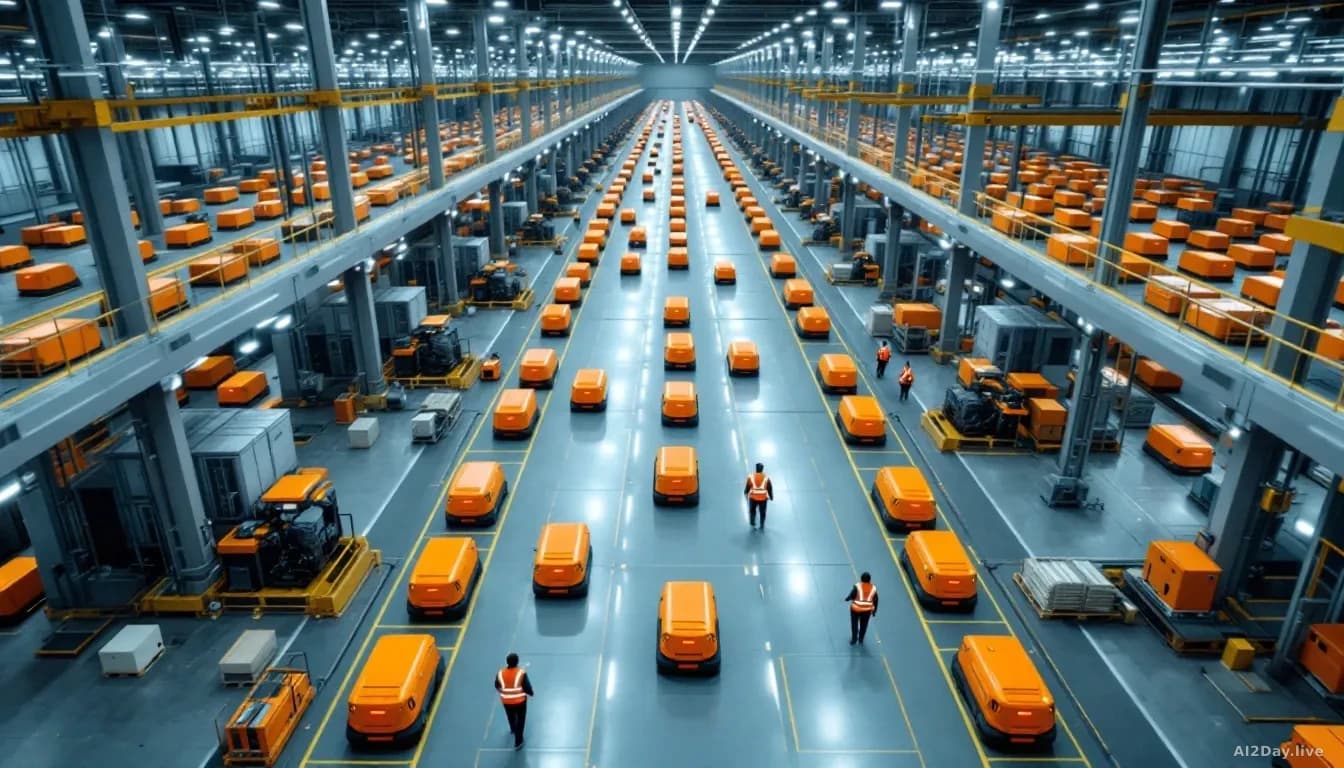
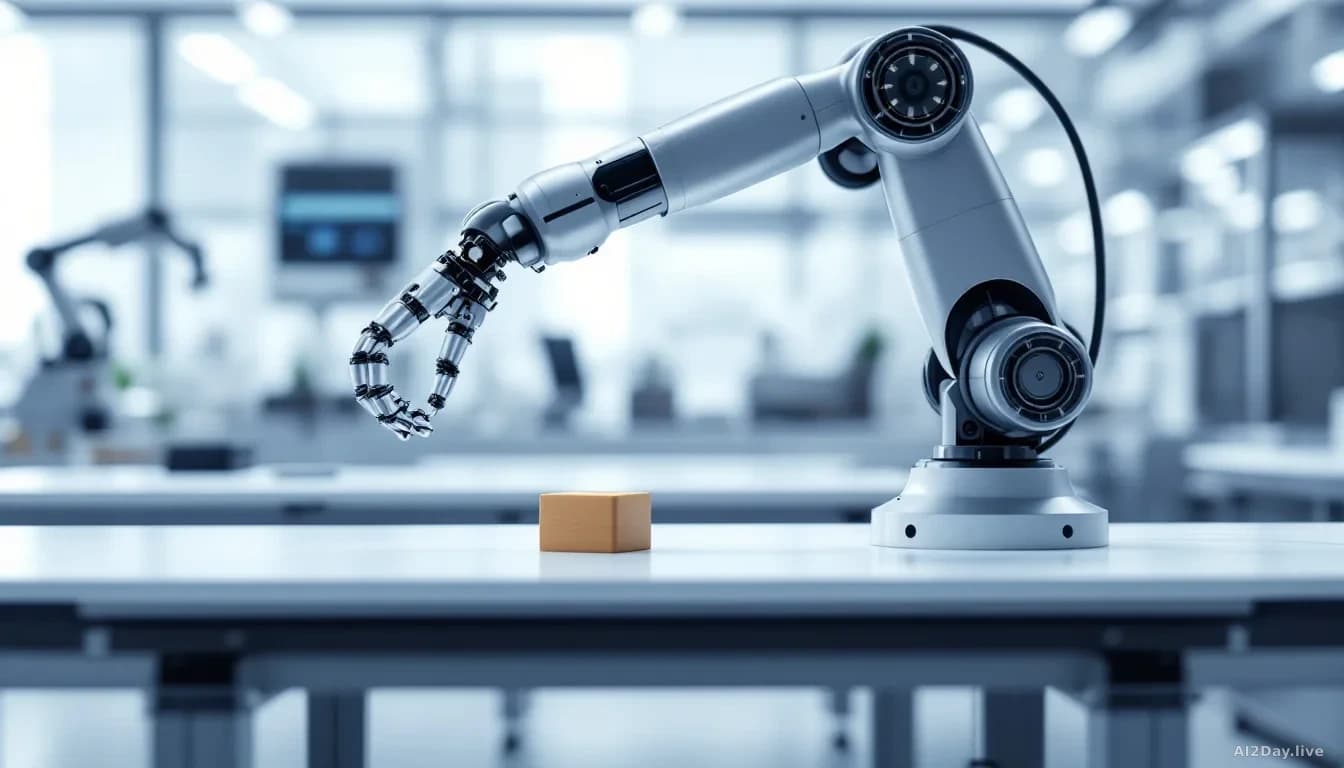
Cosmos 3 Edge is a world model, meaning it learns from cameras and movement data so a robot or automated machine can understand its surroundings and react in real time. Think of it as spatial awareness for a machine. Cosmos 3 launched in May; this Edge version runs on hardware closer to where the work happens, such as a factory floor or a warehouse.
The announcement came during CEO Jensen Huang's two-day visit to Japan, and the timing isn't accidental. As we noted in our 13 July piece on world models, the race to teach machines how the physical world works was already underway before this week.
Nvidia said Fujitsu, Hitachi, and Kawasaki Heavy Industries intend to join the coalition. Huang framed the moment plainly. "Japan invented modern manufacturing," he said Wednesday. "Now, it has the opportunity to reinvent it for the age of intelligent industries."
Japan's AI market is forecast to reach $27.9 billion by 2029, and Tokyo has been pushing companies to adopt AI across sectors. Microsoft committed $10 billion to AI infrastructure in Japan earlier this year, as reported by CNBC Tech, and SoftBank has been pursuing partnerships with Microsoft and Sakura Internet.
What does this mean for ordinary people?
For most people, the effects will be indirect. Faster factory robots could eventually lower manufacturing costs. The drug discovery angle is more personal: Nvidia's BioNeMo Agent Toolkit, a software platform that helps AI systems run biology experiments autonomously, is already being used by major Japanese pharmaceutical companies to find new medicines faster. Shorter discovery timelines can mean treatments reach patients sooner.
Kawasaki's partnership with Nvidia focuses on making factory machines more capable of handling unexpected situations, the kind of flexibility that's hard to programme the traditional way.
Nvidia's Japan push follows a clear pattern. The company built its dominance on chips that train AI. Now it wants to own the software layer running on top of those chips, in factories and research labs alike. Japan, with its ageing workforce and deep manufacturing culture, is a natural testing ground.
The honest read: the coalition names carry weight, but commitments to "intend to join" aren't contracts. Watch which of these firms ships a product built on Cosmos 3 Edge, and when.