The Robot That Already Has a Job: Agility Robotics Opens a Training Facility Next Door to Tesla
While Tesla talks up its Optimus robot, Agility Robotics is already earning money from humanoid machines and just opened a 60,000-square-foot training site in Tesla's California backyard.
Key points
- Agility Robotics opened a 60,000-square-foot robot training facility in Fremont, California, near where Tesla plans to manufacture its Optimus humanoid robots.
- Agility has secured $300 million in contract orders for its humanoid robot, Digit.
- Digits have already moved 100,000 totes at a GXO logistics facility, putting Agility among the very few humanoid robot companies earning real revenue.
- Over 30 customers are in active talks to deploy Digit, and a version 5 robot is expected this autumn.
- A reverse merger is expected to make Agility the first pure-play humanoid robot company on public markets before the end of 2025.
Agility Robotics has picked a bold neighbourhood for its new training base. The 60,000-square-foot facility sits in Fremont, California, just up the road from the factory where Tesla is expected to begin manufacturing its Optimus robot this year. Elon Musk recently called Optimus "the biggest product ever."
The difference is that Agility's robot already has a job.
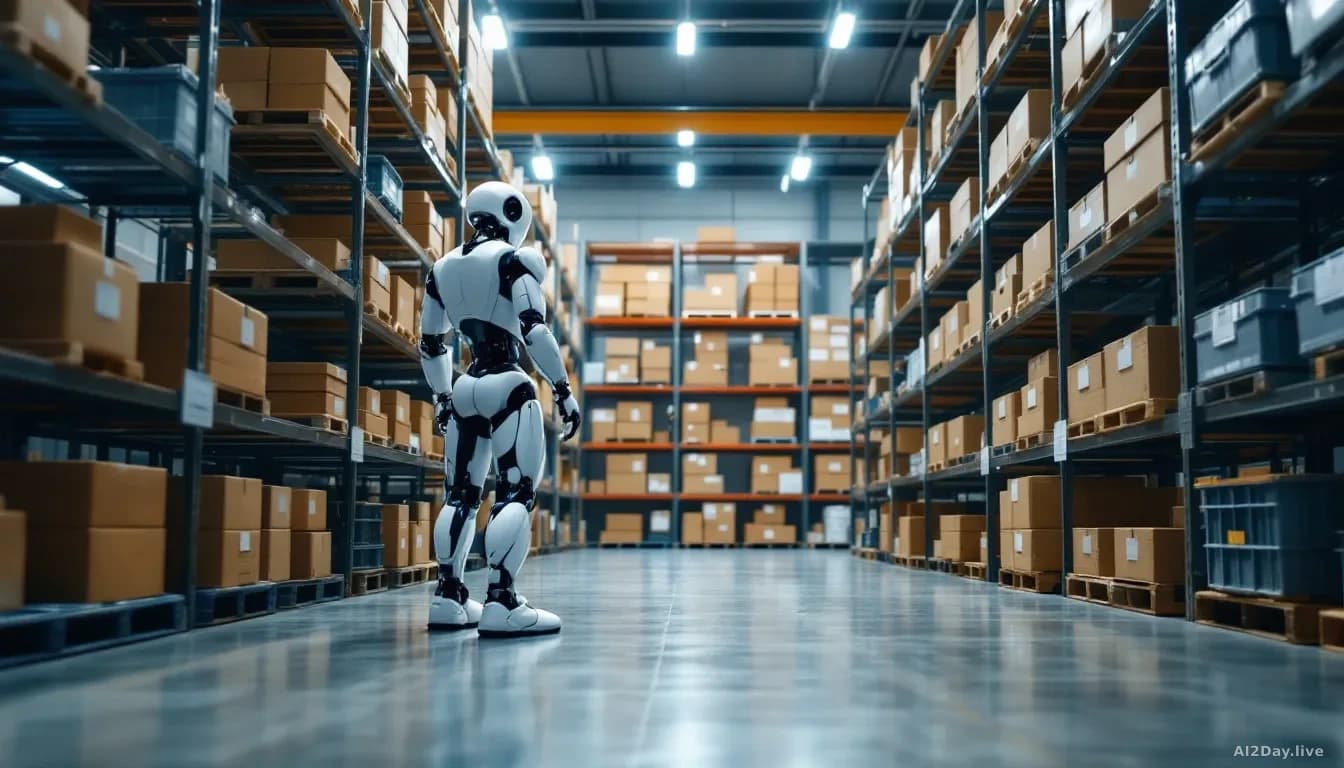
Digit carries totes and bins in warehouses and factories for paying customers including Amazon, GXO Logistics, Schaeffler, and Toyota Motor Manufacturing Canada. Dozens of units have worked in pilot or revenue-generating deployments, and the company has secured $300 million in contract orders. That puts Agility in rare company: most humanoid robot firms are still in the demo-video stage.
The Fremont site is where Digit will rehearse new skills in conditions close to what it faces on real factory floors. CEO Peggy Johnson, whose six-point federal policy plan we covered on 15 July, told TechCrunch that more than 30 prospective customers are in talks about deployments.
"We have commercialized," Johnson said. "We now know what it takes to walk into these facilities and meet their safety bars, their regulatory bars, compliance, plug into their IT infrastructure."
Founded in 2015 by researchers who developed new techniques for two-legged robot movement, Agility is leaning on the same wave of AI that powers chatbots to help Digit learn a wider range of tasks. Co-founder Damion Shelton drew a careful line, though. Safety controls must never run on generative AI, the kind of system that produces creative, sometimes unpredictable outputs. "You don't want to get creative with your safety stack," he told TechCrunch. Generative AI expands what Digit can do; it does not decide whether doing it is safe.
Shelton also explained why AI matters for scale. The number of tasks you can imagine a robot performing is far larger than the number of engineers who can program them. Generative AI, he said, answers that problem.
Today Digit works in areas kept clear of people. The version 5 robot, due this autumn, will sense humans nearby and will no longer need a cordoned-off zone.
Agility isn't chasing the home-robot dream. Co-founder Jonathan Hurst sees enough work in warehouses alone to fill a very long roadmap: totes first, then picking, then loading lorries, then a market he estimates at 100 million robots.
A reverse merger, a deal that lets a private company join the stock market by combining with a listed shell company, is expected to make Agility publicly traded before the end of 2025. If it goes ahead, investors will be able to buy shares in the only pure-play humanoid robot company on a public exchange.
For anyone ordering online, that matters: the robots quietly moving packages toward your front door are further along than the flashy concept videos suggest.