This Robot Knows When to Back Off: Palm Garden AI Builds a Social Awareness Layer for Service Robots
A small startup says service robots already know how to move and speak. What they lack is the judgment to know when not to.
Key points
- Palm Garden AI, a company with offices in Germany and Thailand, has announced a software layer called Coherence Guard designed to help service robots read social situations.
- The system evaluates whether a robot's next action is socially appropriate, not just technically possible, before the robot carries it out.
- Coherence Guard runs directly on the robot where possible, so it does not need a cloud connection to make real-time judgment calls.
- The underlying framework, called the Relational Infrastructure Framework, draws on three years of human-interaction research at a retreat centre in Thailand.
- The software is currently available to hardware partners on request, with a commercial licensing model in preparation.
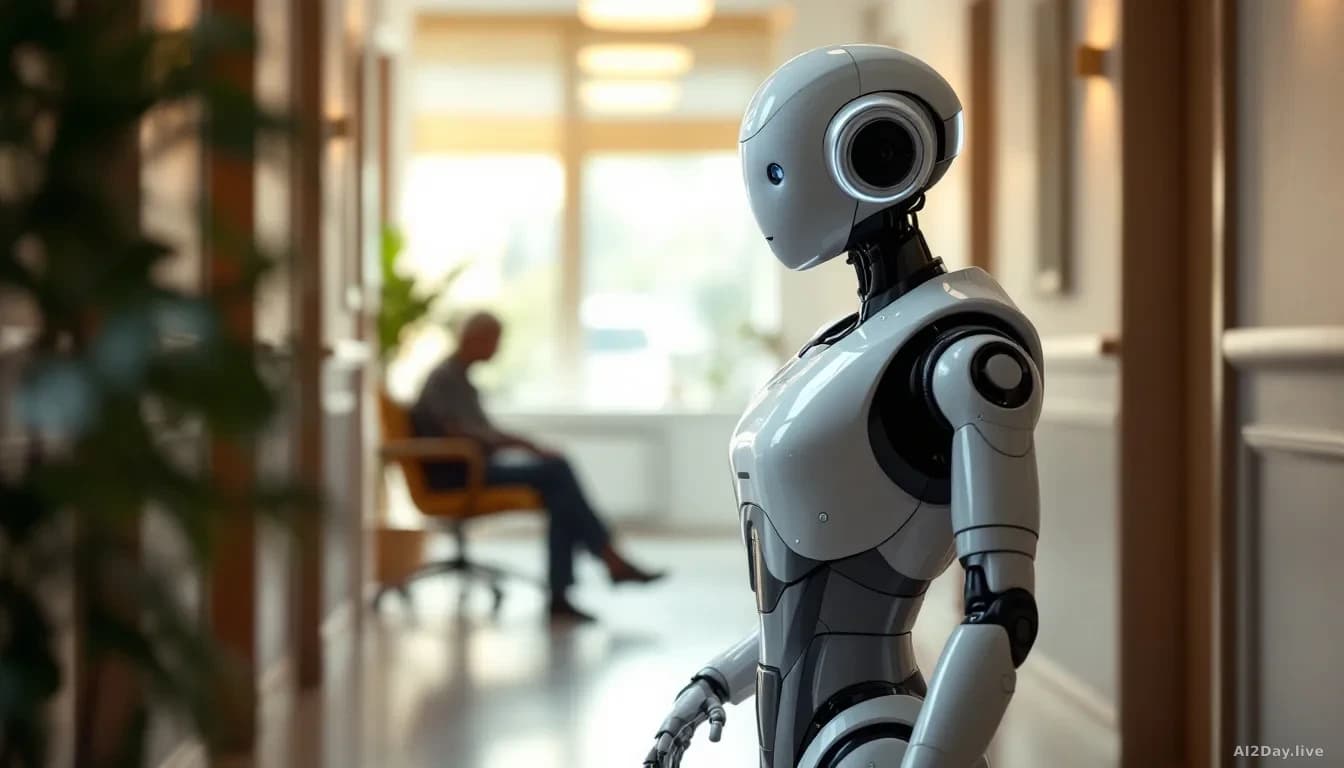
Imagine a hospital robot rolling toward a patient to deliver medication. The patient holds up a hand. A standard robot might complete the delivery anyway, because the task says "deliver". Coherence Guard, a new software layer from Palm Garden AI, is designed to make the robot pause, read the signal, and back away instead.
The system sits on top of whatever software already controls a robot's movement, speech, and perception. Think of it as a last-second sense-check. Before the robot acts, Coherence Guard asks: is this action appropriate right now, given who is nearby, how they are reacting, and what the social context demands?
CEO Joachim Scheuerer described it to The Robot Report as "an additional pre-action evaluation layer." The system reads signals including timing, how close the robot is to a person, emotional tone, and whether someone has asked for space. If those signals suggest the action would feel wrong, even if it is technically correct, the layer can instruct the robot to pause, explain itself, or withdraw.
Why does this matter for ordinary people?
It matters because robots are entering spaces where getting social cues wrong causes real harm. Eldercare wards, hotel lobbies, schools, and home environments all require a machine to understand not just what a person said, but what they meant. A robot that ignores hesitation or discomfort is at best annoying and at worst distressing.
Palm Garden AI developed the behavior patterns behind Coherence Guard from three years of observation at Palm Garden Retreat, the company's facility in Thailand. The team studied arrivals, moments of silence, trust-building, and what Scheuerer calls "respectful withdrawal," the ability to recognise discomfort and step back gracefully.
The software runs on ROS 2, which is the standard open software framework most professional robots already use, so manufacturers do not need to rebuild their systems from scratch. The company wants the system to run locally on the robot itself, not in a cloud data centre, so that a slow internet connection never delays a judgment call that matters.
Coherence Guard does not replace the physical safety systems that stop a robot from crushing someone's hand. Scheuerer is clear that certified hardware safety remains separate. His layer handles a softer but equally real problem: knowing when a technically safe action is still the wrong thing to do.
The core software is patent-pending and will not be fully open-source. Palm Garden AI is preparing a licensing model with optional cloud tools for testing and analysis. The Relational Infrastructure Framework is available to hardware partners now, on request.