Lightspeed Is Putting Its Entire New India Fund Into AI
The Silicon Valley venture firm has locked in commitments for 80% of its new $250 million India fund, which is built entirely around artificial intelligence for the first time in its history in the region.
Key points
- Lightspeed India Partners V, LLC filed with the U.S. Securities and Exchange Commission in late April 2026 as a Mauritius-incorporated entity targeting $250 million for early-stage AI investments.
- Commitments covering 80% of the target were already secured as of the investor letter seen by TechCrunch.
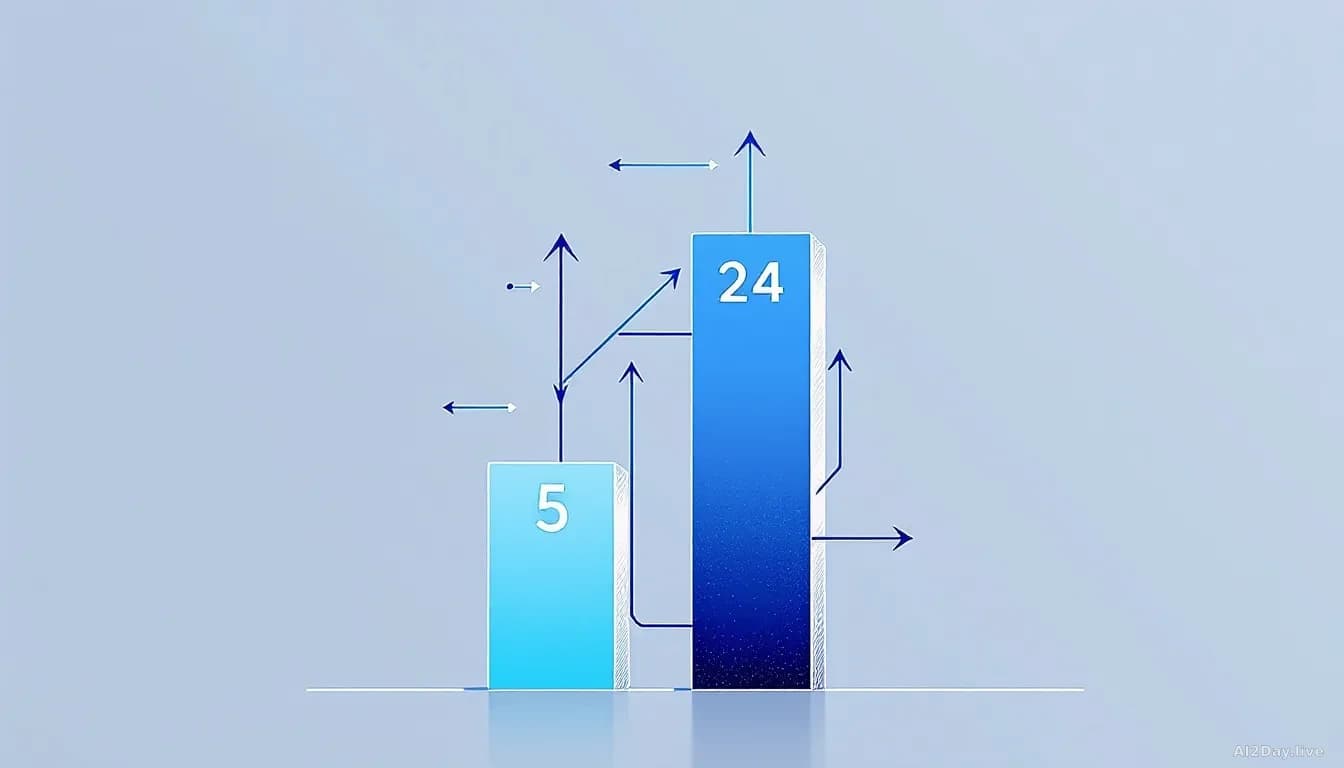
- The fund is half the size of Lightspeed's previous $500 million India fund raised in 2022, sized to match a two-and-a-half-year investment window.
- For the first time, Lightspeed is aligning its India fundraising cycle with its global funds, a structural change after nearly two decades of running the region separately.
- Lightspeed's global platform manages more than $65 billion in assets and raised $9 billion across several funds in December 2025, its largest single haul.
Lightspeed Venture Partners has been putting money into Indian startups for nearly two decades, backing quick-commerce groceries and rooftop solar along the way. This fund does something none of its four predecessors did: it commits the entire pot to artificial intelligence.
The SEC filing for Lightspeed India Partners V, LLC, incorporated in Mauritius, is the document of record. It names no dollar figure, but an investor letter first reported by TechCrunch fills that gap: $250 million, with 80% of commitments already in place.
Why cut the fund size in half?
Smaller is deliberate, not a retreat. Lightspeed told investors the tighter size lets the team focus on individual deals rather than deploying capital for its own sake, and return to market with a follow-on fund sooner.
The two-and-a-half-year investment window is the other clue. AI startup cycles are moving fast enough that a firm sitting on a large pool of money for four or five years risks backing last cycle's ideas. A shorter clock keeps the team hunting for what's new.
Rival Accel made a comparable move in August 2026, raising a $550 million India fund as part of a coordinated $3.5 billion global effort. Both firms are treating India as a live market, not a side project.
What does this mean for AI in India?
India hasn't yet produced a frontier AI model company that competes at the level of OpenAI or Anthropic. What it does have is one of the world's largest pools of software developers and decades of experience building technology services for global clients.
Lightspeed's existing India portfolio includes Sarvam AI, a large language model startup (a company building AI systems that understand and generate text) that the Indian government selected to help develop sovereign AI, meaning AI infrastructure the country owns and controls rather than renting from foreign providers.
Our 12 venture-capital stories since 15 July 2026 show the same pattern: big platforms arriving, capital following close behind. Lightspeed's thesis spells it out plainly, telling investors it expects AI to create more value in India than the internet did.
The global numbers give the regional fund some context. Lightspeed manages more than $65 billion worldwide. Its dedicated India and Southeast Asia funds have deployed roughly $900 million, alongside another $1.6 billion its global funds put into the same regional companies. The $250 million is a focused instrument, not the whole position. The same team that ran the previous four India funds will run this one.
What should readers watch for?
If you're a founder or developer in India's tech sector, watch which companies Lightspeed backs in the next 12 months. Deployment is planned to begin within two months of the investor letter. Those first deals will signal which parts of the AI application layer the firm actually believes in, separate from what a thesis document says.
Also worth watching: whether the alignment with Lightspeed's global fundraising cycle changes who gets funded. A regional fund that reports on the same schedule as the main firm's partners in Menlo Park is a different animal from one that runs on its own clock. That structural shift is the quieter story inside this fundraise, and it may matter more over time than the dollar figure.