Jensen Huang's Tokyo Trip Just Reshaped Japan's Robot Future
Nvidia's CEO spent two days in Tokyo and left with deals covering AI factories, robotics giants, and Toyota's next cars. Here's what it actually means.
Key points
- Nvidia CEO Jensen Huang visited Tokyo on 15 and 16 July 2025, securing deals across Japan's robotics, automotive, and chip-supply industries.
- A Japanese government-backed consortium called Noetra, drawing on roughly 44 domestic firms, is committing up to 1 trillion yen (about 6.2 billion US dollars) over five years to build homegrown AI for robots and factories.
- Nvidia will build what it calls "the world's first national AI infrastructure" for Noetra, a giant data centre packed with next-generation chips, due to open in 2028.
- Ten robotics and manufacturing companies, including Fanuc, Kawasaki Heavy and Sony, agreed to build products on Nvidia's Cosmos AI models, which are designed to teach machines how to move in the real world.
- Japan wants 10 million AI-equipped robots working across 18 industries by 2040, backed by 65 billion dollars in public and private investment.
Jensen Huang, the chief executive of Nvidia, touched down in Tokyo on 15 July and left two days later with agreements from almost every major name in Japanese industry. The visit, reported by TechCrunch AI, produced three concrete outcomes worth understanding.
The national AI factory
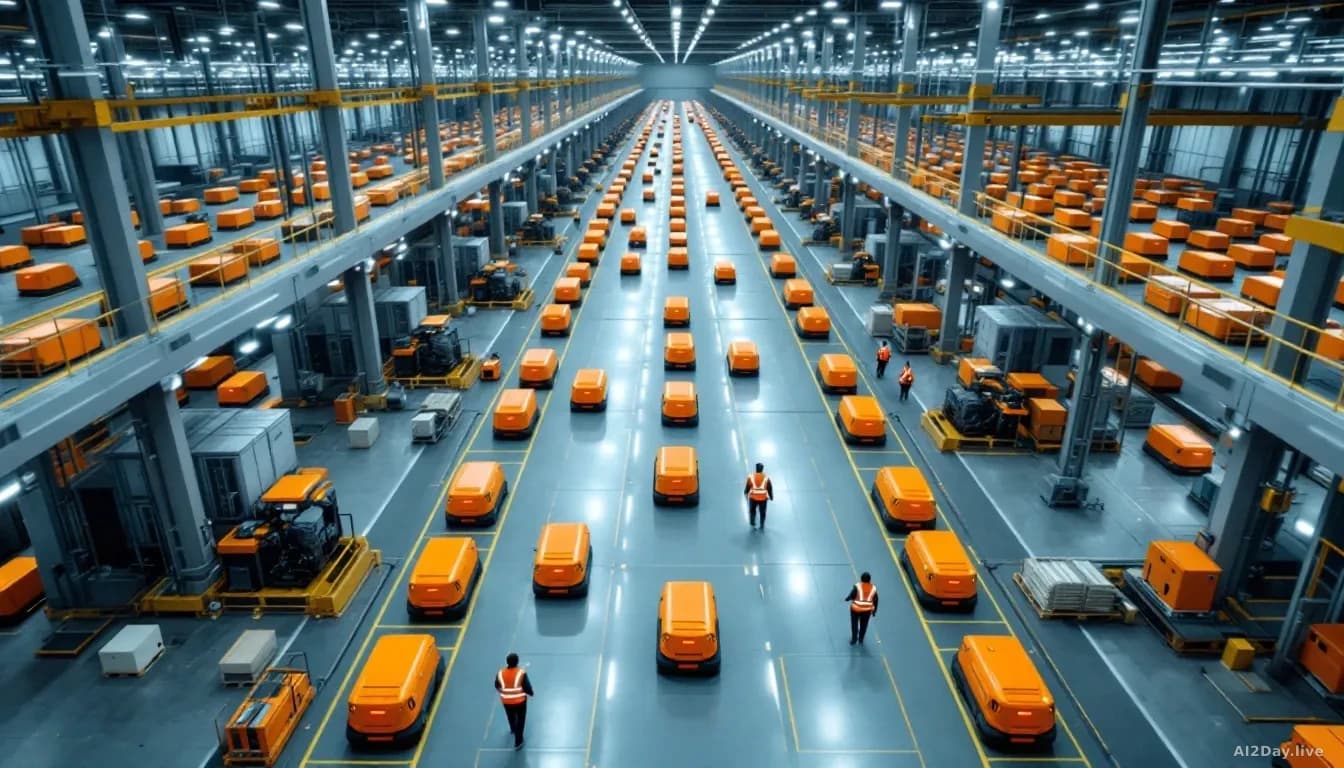
Japan doesn't want its factories and robots running on American or Chinese software brains. Tokyo pulled together roughly 44 domestic companies, with SoftBank, Sony, NEC and Honda at the core, into a single consortium called Noetra, whose job is to build Japan's own AI for machines. The government is committing up to 1 trillion yen over five years.
Building AI this large requires enormous computing power, and Japan currently has to buy that hardware from Nvidia. Nvidia will construct a massive data centre packed with its upcoming Vera Rubin chips (its next generation of specialised AI processors), its 13,750 Vera CPUs and 27,500 Rubin GPUs delivering 140 megawatts of capacity. Target date: 2028.
Noetra's plan runs in three stages: a Japanese-language reasoning model first, then one handling text, images and audio together by 2028, then an AI built specifically to run robots by 2030.
Ten robotics giants back Nvidia's Cosmos
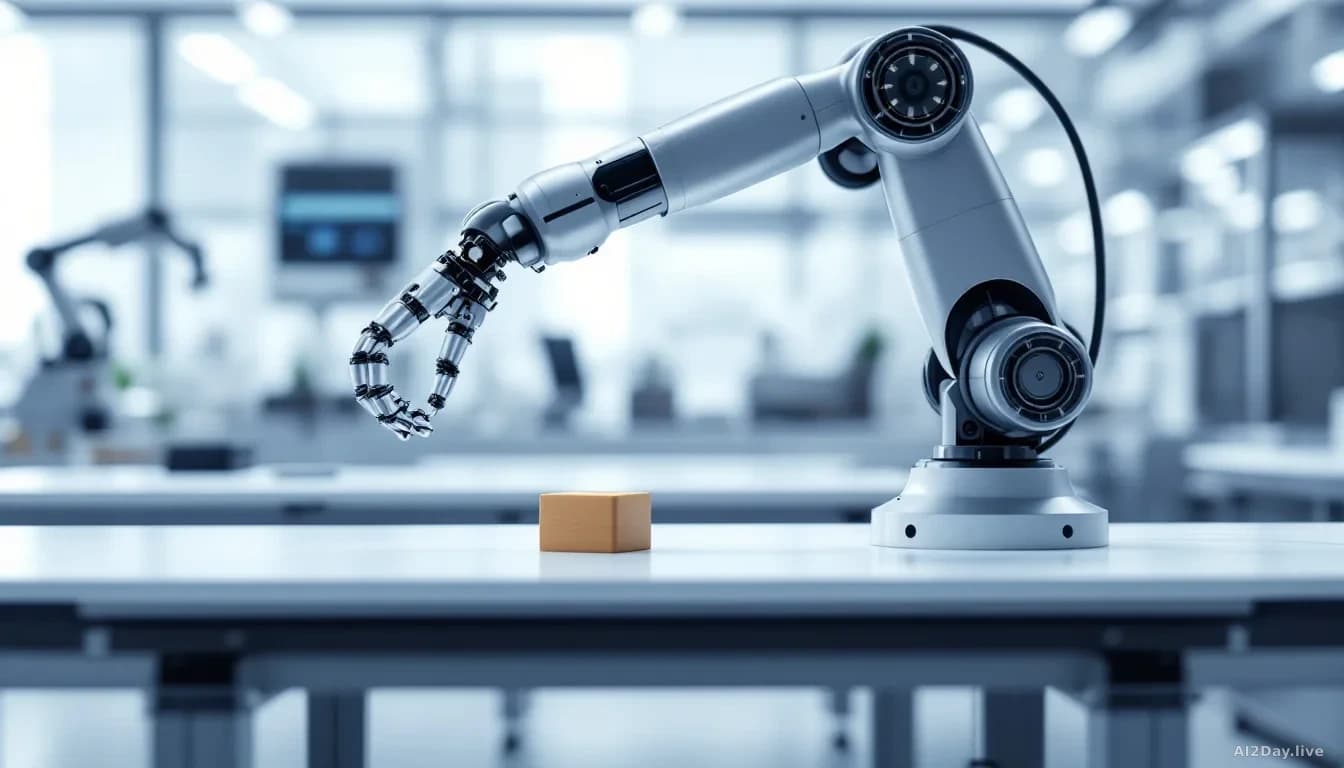
Nvidia's open AI model Cosmos is designed to help robots and machines understand the physical world around them, a shared starting point that companies adapt for their own hardware rather than building from scratch. We covered the Cosmos 3 Edge launch on 19 July in our earlier story on Nvidia's Japanese AI coalition.
Cosmos 3 Edge runs directly inside the machine rather than needing a distant server. Fanuc, Yaskawa, Kawasaki Heavy, Fujitsu, Hitachi, NEC, Sony, SoftBank, Kubota and the robotics group AIRoA all committed to building on it. Honda R&D and Omron are already testing the tools.
Toyota's cars and factory floors
Toyota, which already uses Nvidia chips widely, committed its next-generation vehicles to Nvidia's Drive platform for advanced driver assistance at CES in January 2025. The newer Tokyo agreements extend that into manufacturing simulations (digital rehearsals used to design production lines before a single bolt is tightened) and into software that reads live road traffic. Drive handles steering and braking but still needs a human at the wheel, a more cautious approach than Waymo or Tesla.
Should you worry about the sovereignty angle?
For most of us, nothing changes tomorrow. Japan is placing a large bet that AI-controlled robots will fill the gap left by a shrinking workforce. If it works, the products those factories make, cars and electronics among them, could become cheaper and more reliable over the next decade. Japan's strategy targets more than 30 percent of a global AI robotics market Tokyo values at roughly 133 billion dollars by 2040.
The sovereignty argument is real. Japan wants its own data and its own computing infrastructure rather than depending entirely on foreign-controlled systems. That independence, though, still runs on Nvidia silicon, and that's the tension worth watching as this deal plays out.