Inside the Simulators Teaching Robots to Move, Grip and Learn
Training a real robot costs a fortune and breaks things. A new generation of GPU-powered physics simulators is changing that, one virtual arm at a time.
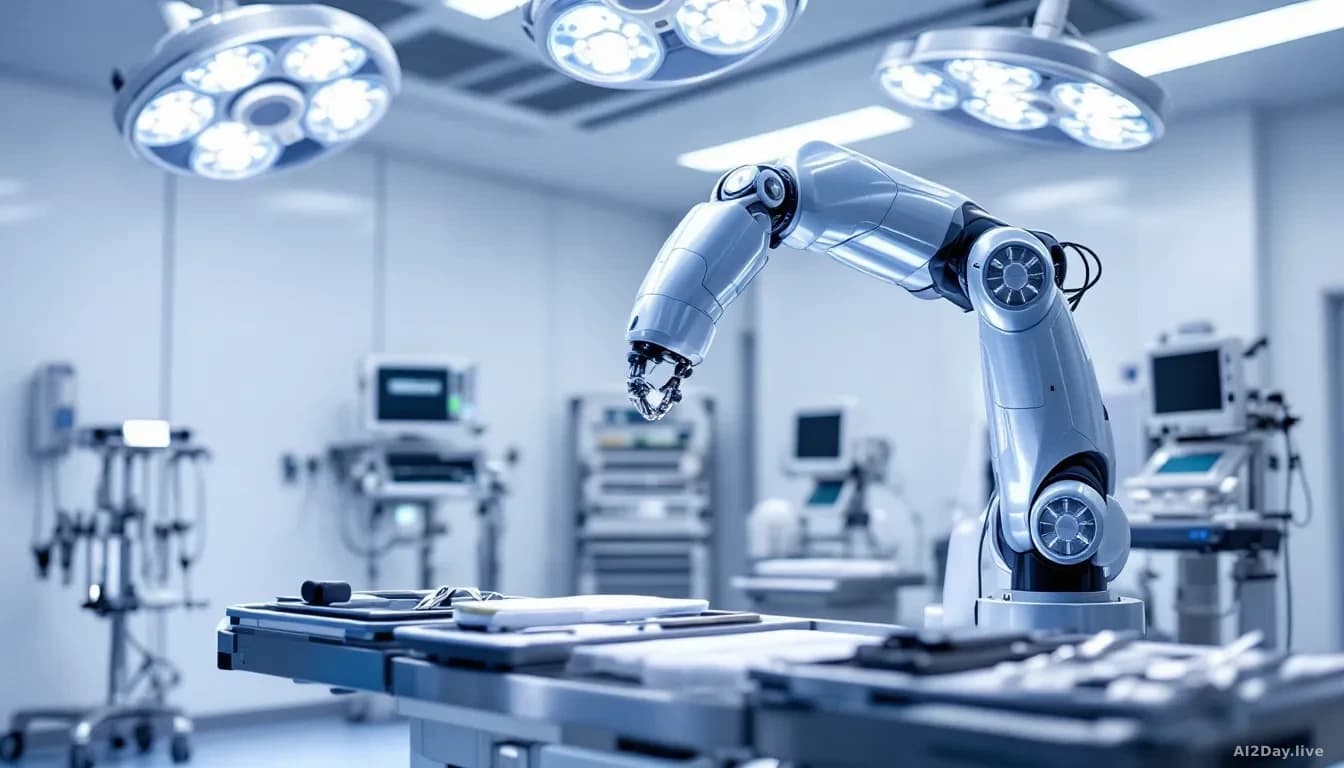
Key points
- MuJoCo, an open-source physics simulator used heavily in robotics research, now has a GPU-accelerated version called MuJoCo Warp that can run thousands of virtual worlds simultaneously.
- NVIDIA Isaac Lab 3.0, released in 2025, no longer requires NVIDIA's Omniverse platform as a dependency, letting developers pair its training tools with different physics backends.
- Physical AI systems can't simply train on internet text; they must learn by experiencing millions of physical interactions, making simulation essential.
- Collecting robot training data in the real world is slow, expensive and sometimes impossible because certain tasks are destructive or dangerous.
Imagine teaching a robot to pick up a coffee cup without ever letting it touch one. That is, roughly, the problem facing everyone building physical AI systems today.
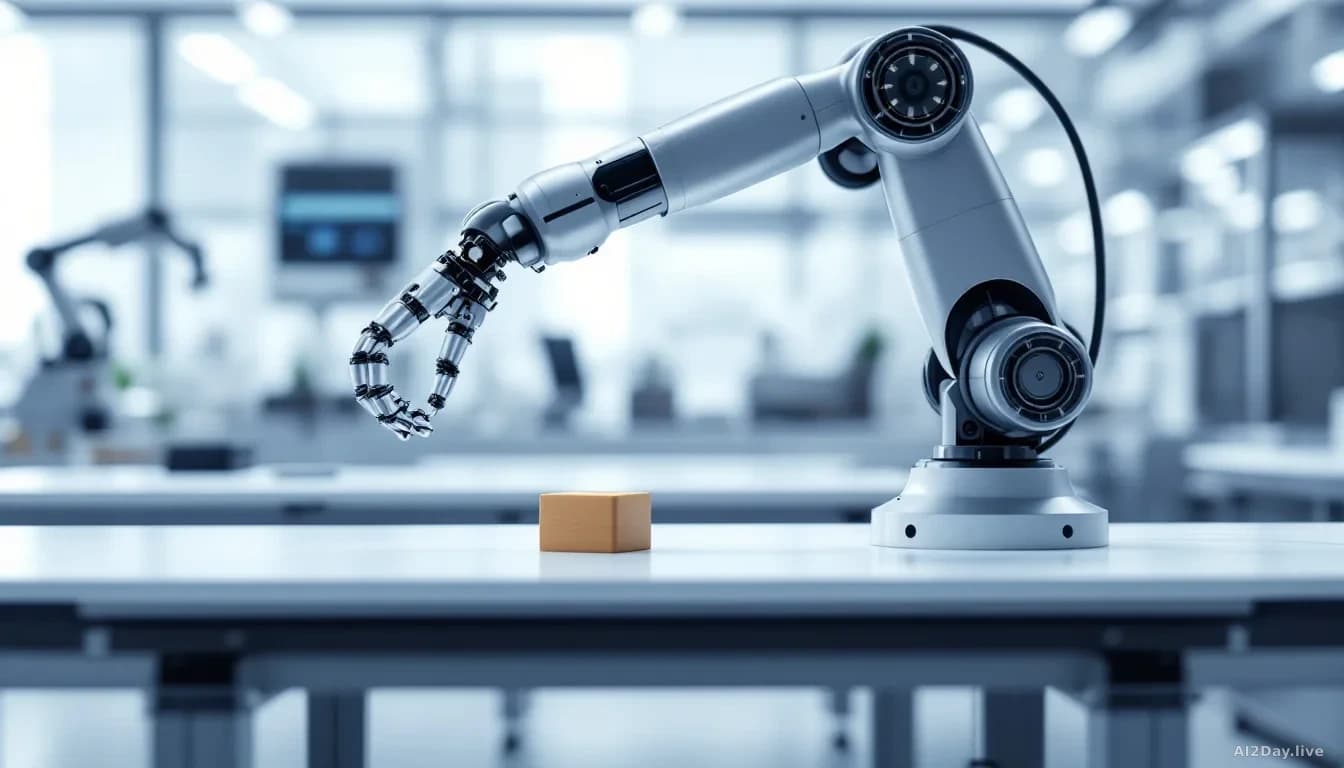
Chatbots like ChatGPT learn from billions of pages of text. Robots can't do that. A robot arm needs to discover what happens when it grips too hard or at the wrong angle. That knowledge only comes from doing it repeatedly.
Real-world practice is punishingly slow. Hardware breaks. Safety incidents happen. Running a robot arm for thousands of hours costs serious money.
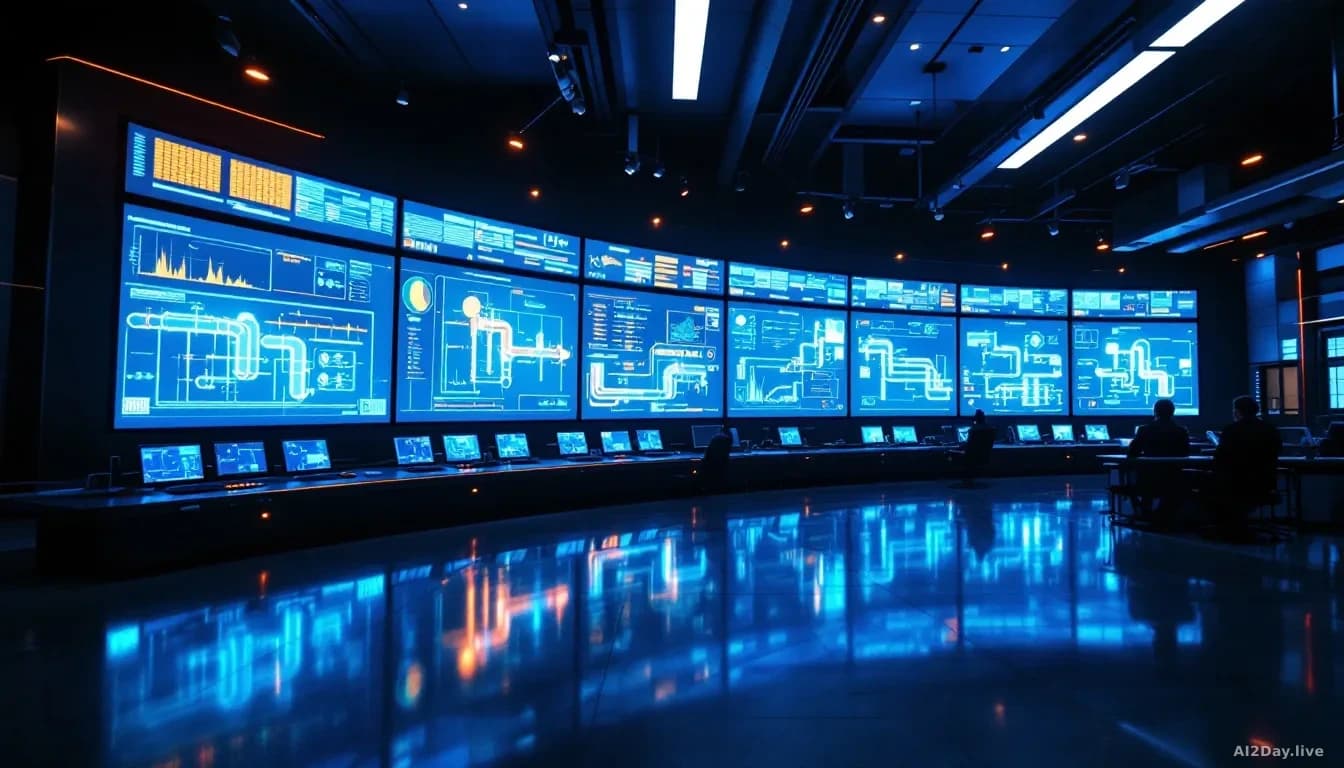
Simulation is the shortcut. Build a digital replica of the physical world, run it on graphics cards, and the robot can fail safely a million times before it ever touches a real object.
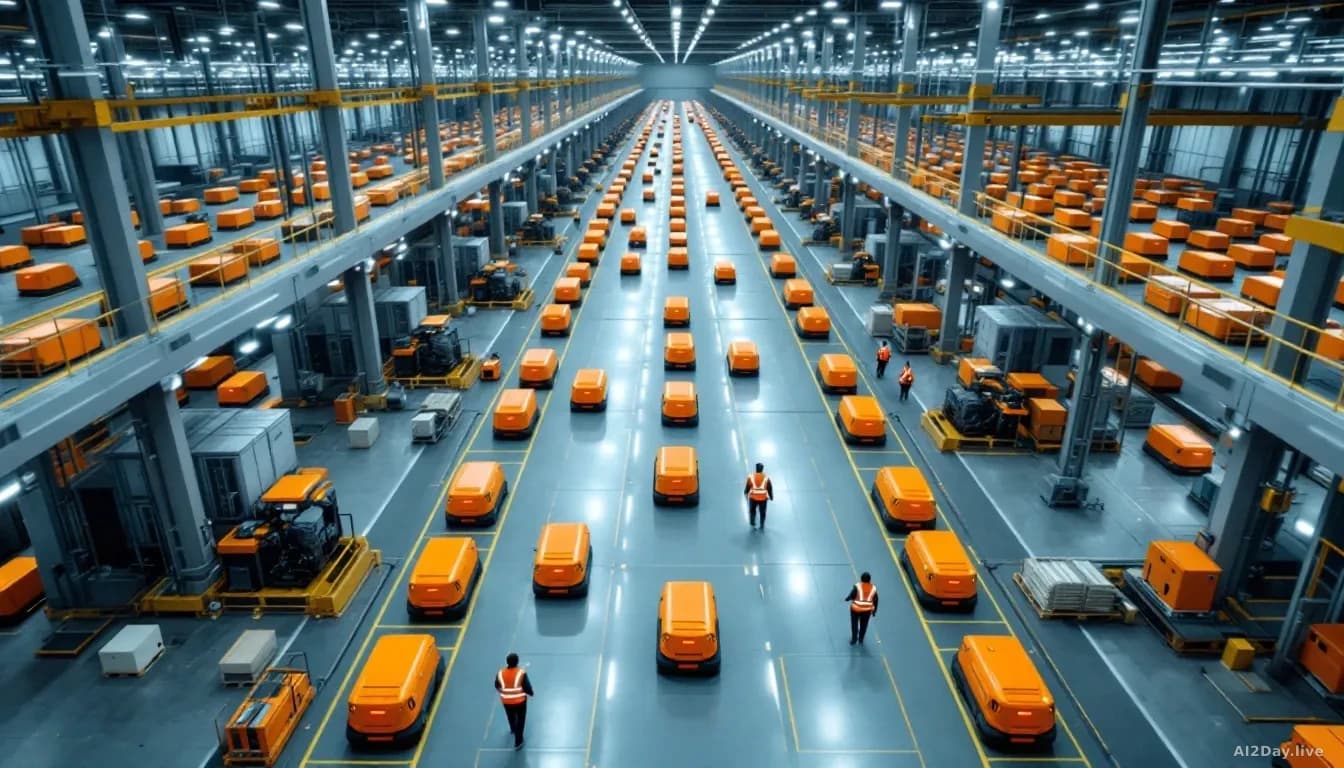
Older simulators were built for a narrower job: checking that a robot's joints move correctly, or drawing a 3D path. Today's teams need something far more demanding. They want photorealistic images the robot's camera would actually see, accurate contact physics when fingers push against objects, and the ability to run hundreds of simulated robots in parallel on a single machine.
A technical overview published by Hugging Face maps the main options now available.
Which simulator should a team actually pick?
The honest answer is: it depends on the task, and there's no single winner.
MuJoCo (Multi-Joint dynamics with Contact) is a free, open-source physics engine that has become the standard in academic robotics research. Its strength is accuracy over looks: it models how joint forces and contact dynamics behave, even if it doesn't produce Hollywood-grade visuals.
MuJoCo Warp, also called MJWarp, rewrites that same physics to run on graphics cards. Instead of simulating one robot at a time on a regular processor, it can run thousands of virtual robots in parallel. For teams training AI policies through trial and error, that speed matters enormously.
NVIDIA Isaac Sim targets a different need. It pairs strong physics with photorealistic rendering, so the synthetic images a simulated robot camera produces look close enough to real footage that an AI trained on them can transfer to a physical robot without relearning everything from scratch.
NVIDIA Isaac Lab 3.0 sits on top of Isaac Sim and handles the training workflow. Version 3.0 made a notable architectural shift: it no longer requires NVIDIA's Omniverse platform. Developers can pair Isaac Lab's tools with Isaac Sim or swap in a different physics backend entirely. We first reported on Isaac Lab on 21 July 2026, shortly after our earlier look at why simulation matters before a robot ever enters a real environment.
Should any of this concern people outside the lab?
For patients and ordinary people, none of this changes anything today. But it shortens the timeline to robots that can reliably assist in wards, warehouses or care homes, places where clumsy grippers cause real harm. Getting the physics right in simulation before a robot enters a ward is the kind of groundwork that quietly makes those systems safer.
The part worth watching isn't which simulator wins a benchmark. It's whether what a robot learns in a virtual world holds up in a messy, unpredictable real one. That gap, called the sim-to-real gap, is the central unsolved problem, and no simulator has fully closed it yet. Until it is closed, every claim about robots being ready for hospitals or homes deserves scrutiny.