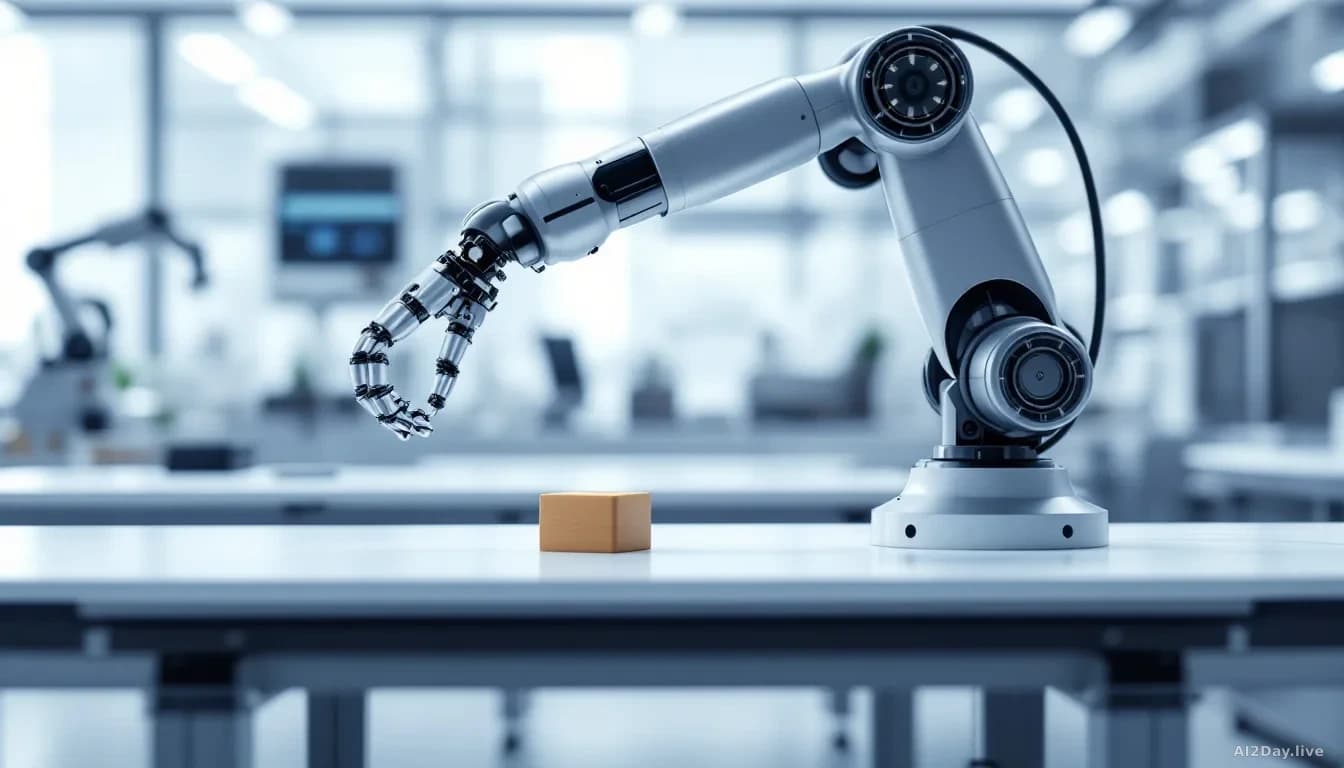
China's Humanoid Robots Face Image Issues, Says Morgan Stanley
Morgan Stanley says a trust deficit is slowing China's humanoid robot sector, even as the hardware gets better.
Key points
- Morgan Stanley has identified a public-trust problem slowing China's humanoid robot sector.
- Robots capable of customer service and physical labour still face wariness about job displacement and safety.
- Companies are investing in transparency campaigns, but perception shifts take time.
Why is public perception a problem?
Distrust, not capability, is the bottleneck. Morgan Stanley flagged that a PR problem is holding back adoption of Chinese humanoid robots, despite hardware that can handle tasks from customer service to physical labour. People worry about job losses and safety, and those worries don't dissolve because the engineering improves. Our 31 July story on AI already replacing workers in China showed those fears aren't abstract: factory floors have already gone quiet in some cities.
What does this mean for the market?
The sector has real commercial reach in healthcare and retail, but perception is throttling deployment. Consistent capability means little if buyers won't install the machines. Among our 103 robotics stories in the last 30 days, the gap between what these systems can do and where they're actually being used keeps appearing as the central tension.
Can the perception issue be solved?
Slowly, maybe. Companies are leaning on transparency and public education. The approach makes sense: a robot people understand is easier to trust than one that feels opaque. But it's a long road. Our earlier reporting on the hidden labour problem inside the humanoid robot boom found a structural complication: some robots are still remote-controlled by humans, which means public confidence built on watching impressive demos may rest on shaky ground.
The thing worth watching here is whether Morgan Stanley's framing shifts how manufacturers pitch these machines publicly, or whether the PR push stays cosmetic while the underlying trust gap widens.
Common questions
Are humanoid robots safe?
They're tested under safety protocols before deployment, but public scepticism about edge cases and workplace accidents isn't irrational, and no manufacturer has fully answered it yet.
Will robots take jobs away from people?
Some repetitive roles will shrink. New roles in maintenance and technical support will open. The net effect by sector is still genuinely uncertain, and anyone claiming a clean answer either way is ahead of the evidence.