AI Is Quietly Reshaping Warehouse Robotics, and One Founder Explains How
OSARO co-founder Derik Pridmore says the real breakthroughs in warehouse automation come from continuous learning, hardware flexibility, and safety you can actually trust, not from flashy demos.
Key points
- OSARO, co-founded in 2015, builds AI software that gives industrial robots better perception and control at warehouse scale.
- CEO Derik Pridmore argues that hardware-agnostic design, software that runs across many different robot bodies rather than just one, matters more than any single impressive demo.
- The FCC recently moved to limit U.S. Imports of new humanoid and mobile robots, raising questions about how dependent American warehouses have become on foreign-made machines.
- Pridmore's investment background includes early positions at Founders Fund and Arda Capital Management, where he backed DeepMind and Clarifai.
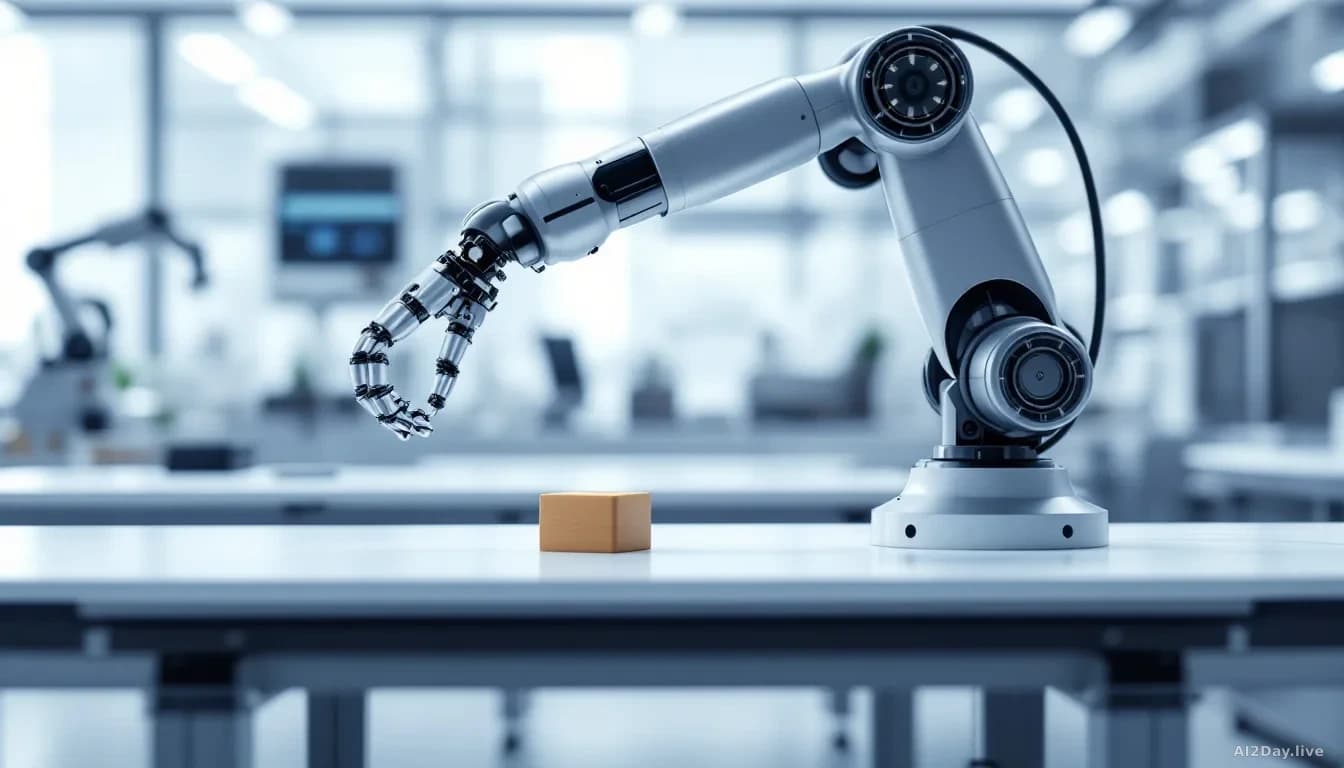
When a package needs picking in a modern warehouse, the decision about which robot arm grabs it, at what angle, with how much force, now often belongs to an AI system running quietly in the background. That shift from rigid, pre-programmed machines to adaptable, learning-based automation is the subject of Episode 255 of The Robot Report Podcast.
What did Derik Pridmore actually say?
Pridmore's central argument is that the biggest gains in robotics no longer come from better hardware. Smarter software wins: systems that keep learning from real-world errors, that work across different robot brands, and that are monitored continuously so problems surface before a whole production line stalls.
Early robotic systems had narrow perception. They could only handle objects they'd seen many times before, under controlled conditions. Newer AI-driven systems generalise: they can work out how to pick a box they've never encountered, in a position they were never trained on. That's the capability gap Pridmore says his company is closing.
He doesn't oversell it. Getting specificity, reliability and safety to work together is still where the hard work lives. A robot that dazzles in a demo but behaves unpredictably on a real shop floor isn't an asset.
Why does the FCC ruling matter here?
The policy dimension of this conversation is worth taking seriously. Agility Robotics CEO Peggy Johnson made a related case for federal action in her six-point plan we covered on 15 July, and the FCC's import limits give that argument new urgency. If operators can't source certain robots freely, the pressure to develop and software-enable domestic alternatives accelerates fast.
Supplier choices made today could become supply-chain problems tomorrow. That's not a distant risk.
Should you worry about the jobs?
Most people won't run a warehouse, but everyone receives packages from them. More accurate picking means fewer wrong orders. It also means the workforce inside those buildings is shifting: some repetitive roles are being replaced, while demand grows for technicians who can oversee and fix AI-driven systems.
For anyone working in logistics or operations, Pridmore's practical signal is this: solutions that lock you into a single hardware vendor are riskier than ones that adapt as your needs change. Real-world monitoring matters more than benchmark scores. Watch for warehouses advertising AI-powered fulfilment when they partner with retailers. That's where these systems are already running.