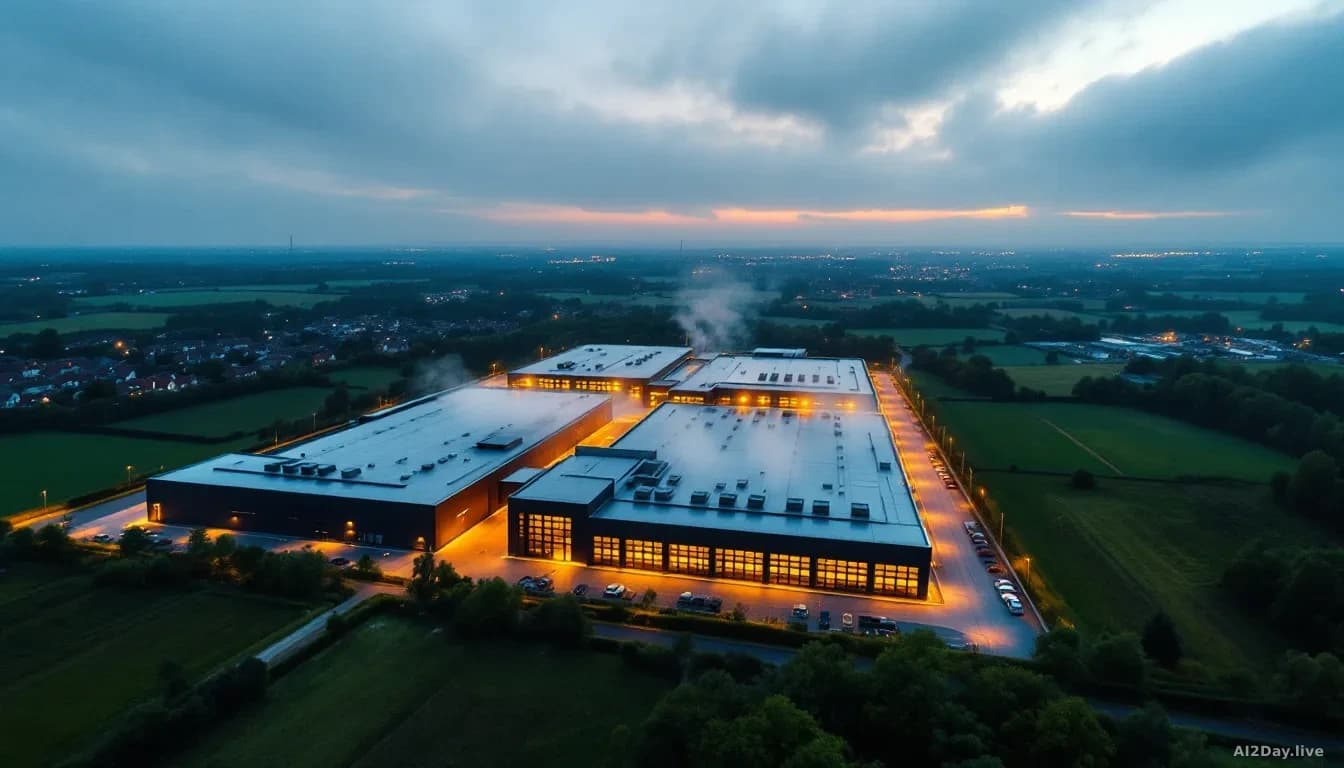
Scottish MPs Want to Pause AI Data Centre Building. Here's Why It Matters.
The SNP and Scottish Greens are backing a freeze on new AI data centres across the UK, where around 450 already exist. The political fight is sharpening fast.
Key points
- The Scottish National Party and the Scottish Greens have backed a moratorium, a temporary halt, on new AI data centre construction in the UK.
- Around 450 large data centres currently operate across the UK, housing the computing hardware that powers cloud services and AI tools.
- Opposition to new data centre developments is growing among politicians and local communities.
- The debate centres on energy use and planning rights, and whether residents near planned sites have a real say.
What is actually being proposed?
Two Scottish parties want to stop new AI data centres from being built, at least for now. The SNP and the Scottish Greens have both backed a moratorium, a temporary legal pause on approvals, according to The Guardian AI.
It's not a ban. It's a call to stop and think before more get built.
Why the pushback?
Data centres are the warehouses of the internet. Every AI chatbot response and streamed file travels through one. AI tools need far more computing power than ordinary software, which means they need far more electricity and physical space.
The UK already has around 450 large data centres, and the pressure to add more is intense. That pressure lands somewhere specific: a field, a town, a community. We've been covering that collision since our 27 August story on who decides where data centres go.
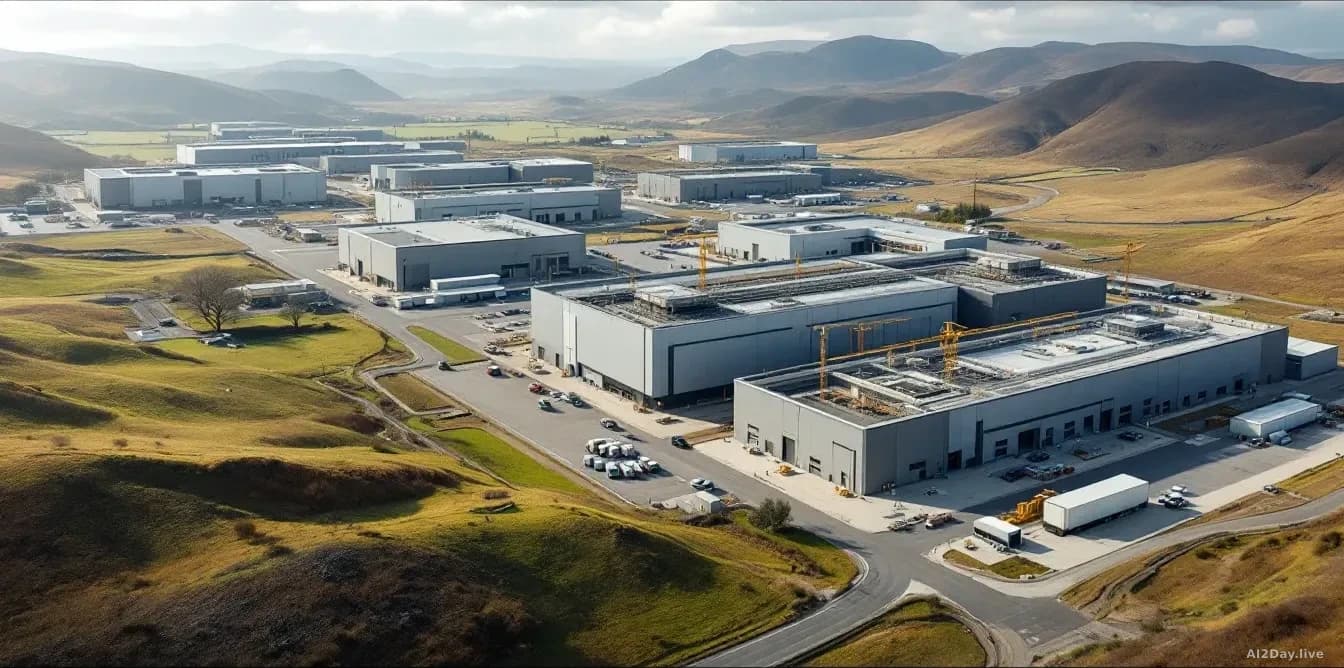
For people living near a proposed site, the concerns are concrete. Noise from cooling fans, enormous electricity demand pulling on local grids, lorry traffic during construction, a giant warehouse where farmland used to be.
What does this mean for ordinary people?
If you live near a planned data centre site, your local planning process may soon become a political flashpoint. These developments aren't just a tech-industry conversation anymore.
For everyone else, the outcome shapes something real: how quickly AI tools improve, and at what cost to energy infrastructure. That demand has to come from somewhere on the national grid.
There's a fairness question here too. The people who benefit most from AI tools are rarely the same ones living next to the facilities that keep those tools running.
Should we be worried about the energy problem?
The energy angle is where this debate gets serious. Our earlier reporting on TerraPower's nuclear plant shows one strand of thinking: pair AI data centres with dedicated power generation rather than stressing existing grids. That's a long-term fix, not an immediate answer.
In the shorter term, the moratorium push is really a demand for a better planning framework, one that weighs community costs against national infrastructure need.
What happens next?
No moratorium is law yet. Developers are still submitting planning applications, and communities near proposed sites are organising. The question of how much disruption is acceptable in exchange for faster AI isn't a technical one. It's political, and ordinary voters are starting to weigh in.