Robotics Is in Its LEGO Era, Says Ex-Nvidia Investor Amulya Vishwanath
The founder of Techable Ventures says the basic building blocks of physical AI are still being snapped together. That's where the opportunity is right now.
Key points
- Amulya Vishwanath, former Nvidia product marketer turned venture capitalist, says robotics is in a "LEGO era" where foundational components are being built from scratch.
- Vishwanath founded Techable Ventures, a VC firm focused on physical AI (robots and machines that move and act in the real world), after nearly seven years at Nvidia.
- The firm treats its talent network as a core competitive asset, connecting early-stage founders with engineers who might otherwise go straight to large companies like Anthropic or Nvidia.
- Vishwanath sees a direct line from this moment to the internet era and the Industrial Revolution, though she offers no specific timeline for when the pieces click together.
Everyone in robotics keeps waiting for "the ChatGPT moment": the day a robot becomes as broadly useful and easy to deploy as a chatbot. Amulya Vishwanath, speaking with TechCrunch's Equity podcast, thinks that day is coming. She just doesn't think it's here yet.
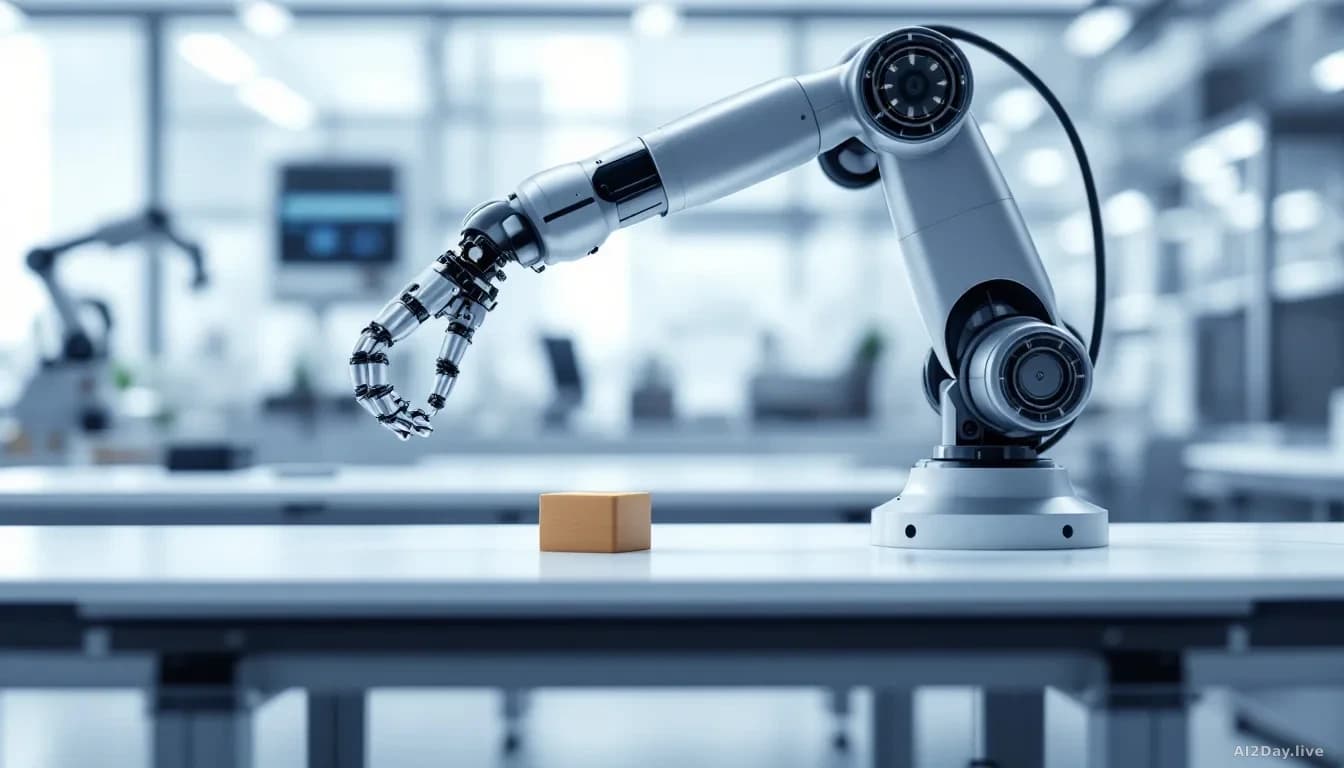
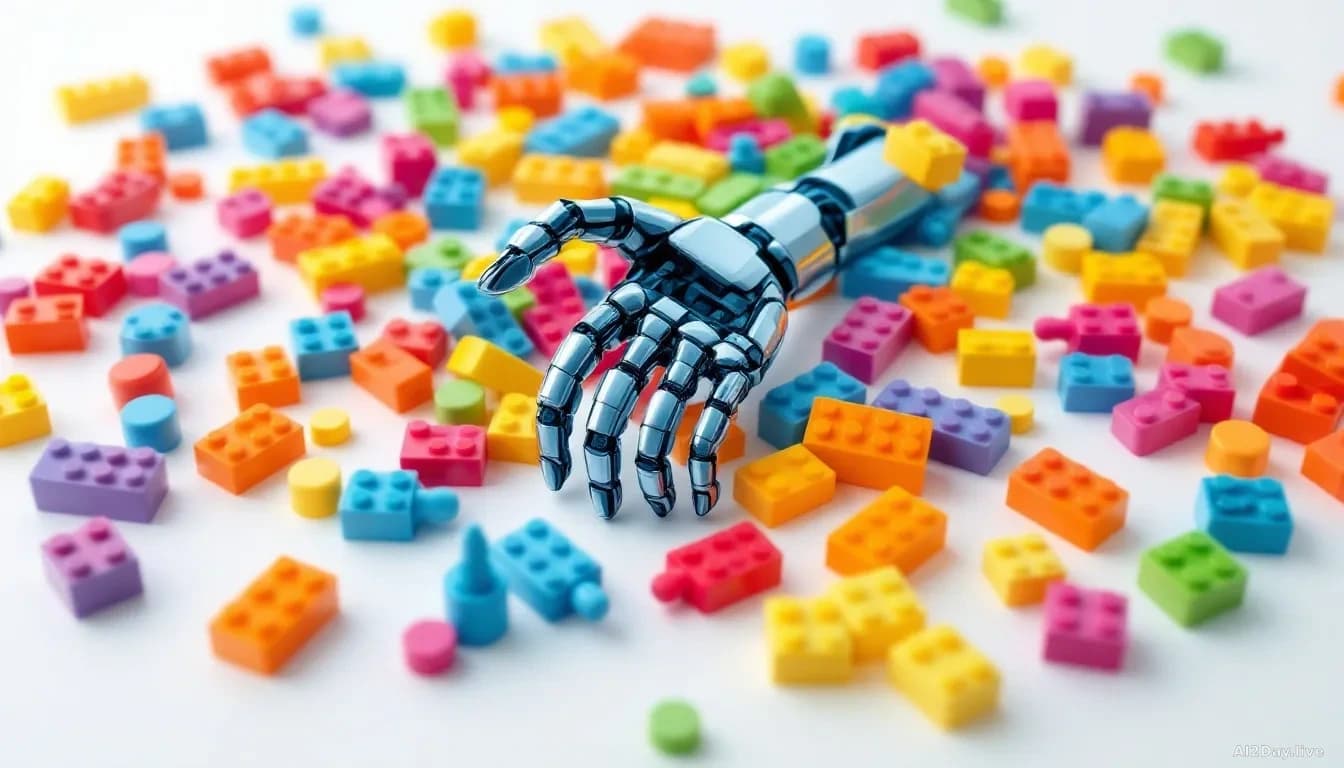
"We're in the LEGO era," she told the outlet. The pieces, meaning robotic hands, actuators (the motors and mechanisms that make a robot move), and foundational software layers, are being built and rebuilt right now. None of them click together cleanly. But they will.
Why does the LEGO comparison matter?
It means the money and the talent are going into components, not finished products. That matters if you're trying to understand where this industry is heading and where jobs will appear. Our 7 October report on security robots working night shifts noted that more than $23 billion flowed into physical AI and robotics in 2026 alone, which tells you the component-building phase is already well-funded.
Vishwanath draws a straight line from this moment to earlier technological shifts. "We've done this during the internet era," she said. "I think it's just a matter of time before things fall into place."
She isn't offering a timeline. That's honest. Nobody credibly can.
What makes her perspective worth attention is the vantage point behind it. Before founding Techable Ventures, Vishwanath spent close to seven years as a product marketer at Nvidia, whose hardware now underpins most serious AI work. Before that she was at a firm later acquired by Intel, and earlier still she was a digital signal processing engineer. She built a network across those years, and Techable's pitch to founders is partly that she can open doors to talent a newer investor cannot.
Where does talent actually go right now?
Skilled engineers flow toward the biggest paychecks. Vishwanath named Anthropic and Nvidia as the main gravitational pulls, with startups competing against those brands for the same people.
Techable's answer is to act as a connector, putting founders in front of engineers who might not have heard of their company yet. Whether that moat holds as the field matures is an open question, but it's at least a concrete strategy rather than a vibe.
AI2Day has tracked Nvidia's expanding role in the components phase across its recent backing of four German startups and a government AI deal, and earlier this year we reported on how Nvidia's Warp tool lets researchers run 2,048 robot simulations at once. The LEGO bricks are getting cheaper and more precise.
One honest note: a VC talking about her own thesis is, by definition, selling something. Vishwanath may be right that robotics is about to scale. She may also be early by a decade. Founders writing checks to this space should keep both possibilities on the table.
If you work in manufacturing or supply-chain operations, start learning what robotic actuators and physical-AI software platforms actually do. Job titles that exist in five years will assume that knowledge.