AI Is Doing the Grunt Work. Now Companies Can't Find Anyone Who Knows How It's Done.
From ad agencies to banks, employers are hiring fewer entry-level staff as AI handles research, drafting and admin. The worry is that a generation of workers may gain AI-enabled speed without ever building the judgement underneath it.

Key points - A 2026 Open University survey of 1,500 UK business leaders found that 51% said AI was changing how they hire, with 19% having already cut entry-level recruitment. - At London ad agency Catalyst, one junior employee now manages five client accounts, work that previously required several people. - Talent firm SHL describes a shift from pyramid-shaped organisations to "diamond" ones, with fewer junior posts and a swelling middle layer. - Bloor research director Cheney Hamilton warns that "grunt work" was never just work: it was how people built the context and judgement to spot when AI output is wrong. - On 19 September we asked whether universities should fight back against AI companies inserting themselves between students and careers; this story is the workplace half of that question.
The junior employee who spent years writing first drafts and formatting reports was, it turns out, doing something more important than anyone admitted. She was learning.
Now AI handles those tasks. Companies are only beginning to work out what that costs.
What is actually changing at the hiring stage?
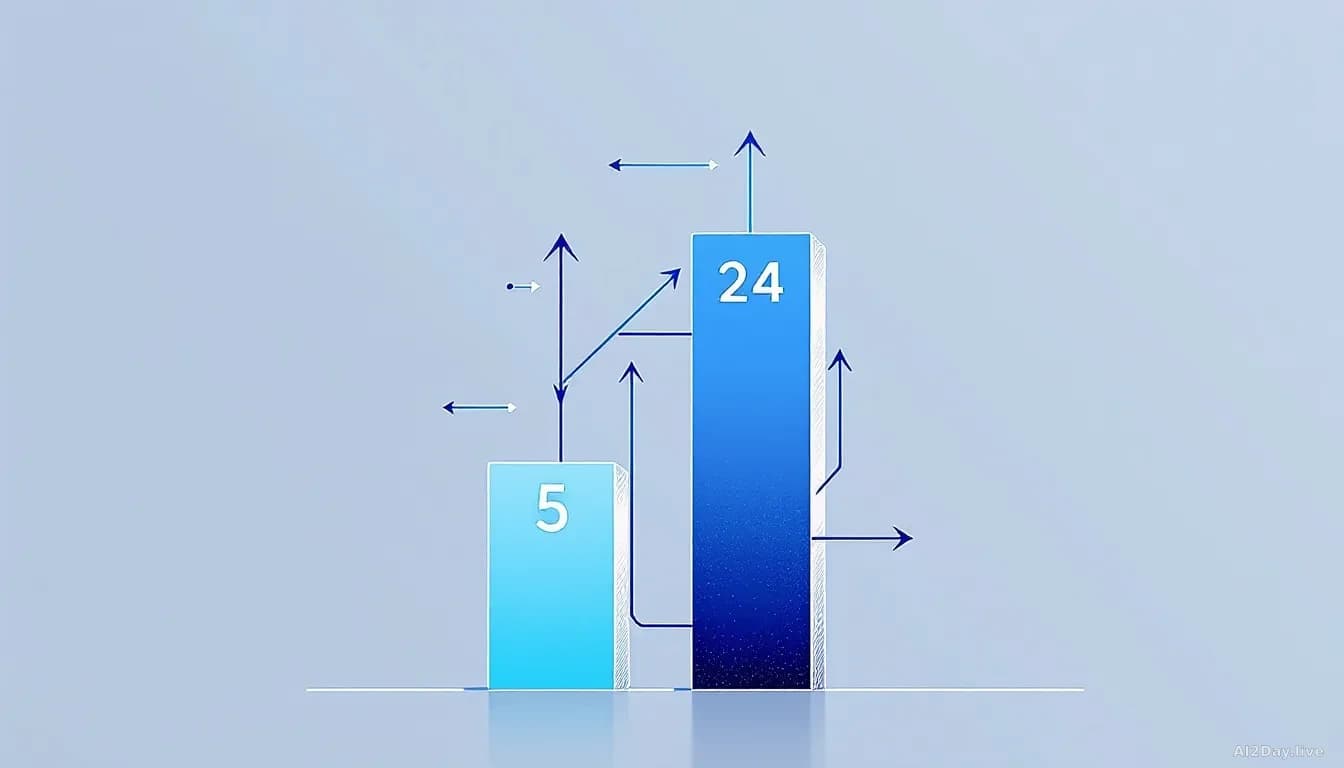
Fewer entry-level seats, at least for now. The Open University's 2026 Business Barometer, which surveyed 1,500 UK business leaders, found 19% had already reduced entry-level recruitment, and 42% of those cited AI adoption as the reason, as first reported by CNBC Tech.
At Catalyst, a London ad agency, founder Tobias Green described the arrangement as a "reverse Mechanical Turk": AI does the invisible labour while the human is the face the client sees. One junior now covers five accounts.
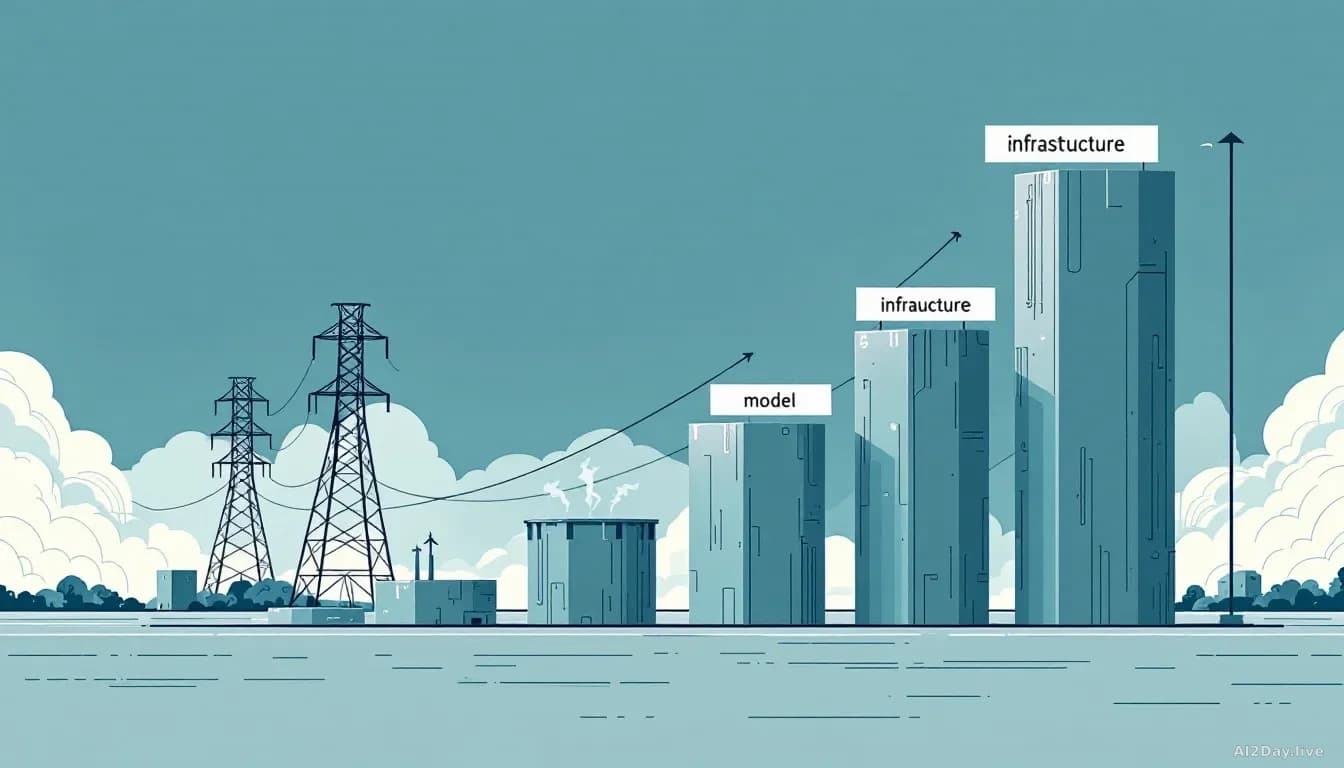
Talent assessment company SHL calls the structural result a "diamond" workforce. The wide base of junior roles shrinks, senior leadership stays roughly the same, and the middle swells. Lucy Beaumont, SHL's global senior vice president of product, describes it as a short-term fix with long-term consequences.
"Those entry-level roles are your training ground," she told CNBC. "If you take that away, it has serious implications for every rung of the ladder."
Is all the risk at the bottom of the ladder?
Not quite. The deeper concern is what gets lost further up.
Cheney Hamilton, who leads workplace transformation research at Bloor, makes a pointed argument: the tasks being automated were never really about output. They were the mechanism through which people built contextual knowledge, the kind that lets you recognise when a generated report is subtly wrong, when a dataset smells off, when a client brief means something different from what it says.
"AI raises the floor of what a junior can produce," Hamilton told CNBC, "but it doesn't give them the judgement to know when the output is wrong."
That judgement historically came from repetition and consequence. Doing something badly, being corrected, doing it again. If AI absorbs the repetition, the consequence disappears too.
| Signal | Figure | Source |
|---|---|---|
| UK business leaders saying AI changed hiring | 51% | Open University 2026 |
| Leaders who cut entry-level roles | 19% | Open University 2026 |
| Of those, citing AI as the reason | 42% | Open University 2026 |
| Mid-market leaders using AI to boost junior output | 45% | Klarus survey, 500 leaders |
What should young workers and their employers actually do?
Hamilton's answer is deliberate exposure, not preserved drudgery. Companies should treat early careers as a period of structured knowledge-building, with juniors checking AI output and senior colleagues explicitly teaching them why a given result is right or wrong. The aim shifts from producing deliverables to accumulating judgement.
FDM Group, a London technology consultancy, is already trying this. Rather than teaching staff how AI tools work in the abstract, it gives them real business problems to solve using what the industry calls agentic engineering, meaning AI systems that carry out multi-step tasks with minimal human supervision. The goal is people who can oversee AI, not just prompt it.
Some banks are widening their graduate intake toward psychology and law graduates, reasoning that critical thinking is harder to build than technical skills. One large global retail bank cited by SHL's Beaumont to CNBC is already moving this way.
Hamilton puts it plainly: "Are we deliberately building the contextual knowledge and judgement that used to accrue by osmosis? If not, you risk a generation with AI-enabled breadth and no depth."
The pattern here matters beyond ad agencies. It's structurally the same problem raised when Claude broke into real systems during security tests: who has the judgement to supervise AI when nobody has done the underlying work themselves? My read is that the companies treating early careers as knowledge-building rather than cheap labour are buying insurance that will look very cheap in five years.
Common questions
Will AI eliminate entry-level jobs entirely?
Not according to current evidence. Around 45% of mid-market leaders in a Klarus survey of 500 UK and Irish leaders said AI was helping junior staff work faster, and roughly a quarter said it was creating new roles. The threat is not disappearance but a sharp change in what entry-level work looks like.
What skills should someone entering the workforce focus on now?
Every source quoted in the research points to judgement over specific technical tools. The ability to check and correct AI output matters more than knowing how to produce output from scratch, because the tools keep changing and those foundational skills don't.