Alibaba Built Its Own AI Chip and Wants 20 Gigawatts of Data Centres by 2032
At its annual Apsara Conference in Hangzhou, Alibaba announced the Zhenwu V900 chip, a 20-gigawatt data centre target, and confirmed its next frontier model is already in training.
Key points
- Alibaba's Zhenwu V900 chip delivers three times the performance of its predecessor and is scheduled for mass production in Q1 2027.
- Alibaba Cloud is targeting more than 20 gigawatts of global data centre capacity by 2032.
- The next-generation Qwen 4 model is currently in training, with Qwen 4.5 and Qwen 5 series planned to follow.
- A future Qwen model is planned at a scale of 10 trillion parameters, the number of adjustable values inside a model that broadly determines its reasoning power.
- Alibaba shares rose roughly 3% in Hong Kong on the news.
If you wanted a single image of where Chinese AI ambition sits right now, Hangzhou gave you one. Alibaba used its annual Apsara Conference to announce a homegrown AI chip, a data centre buildout that dwarfs most national grids, and confirmation that its most powerful model yet is already in training.
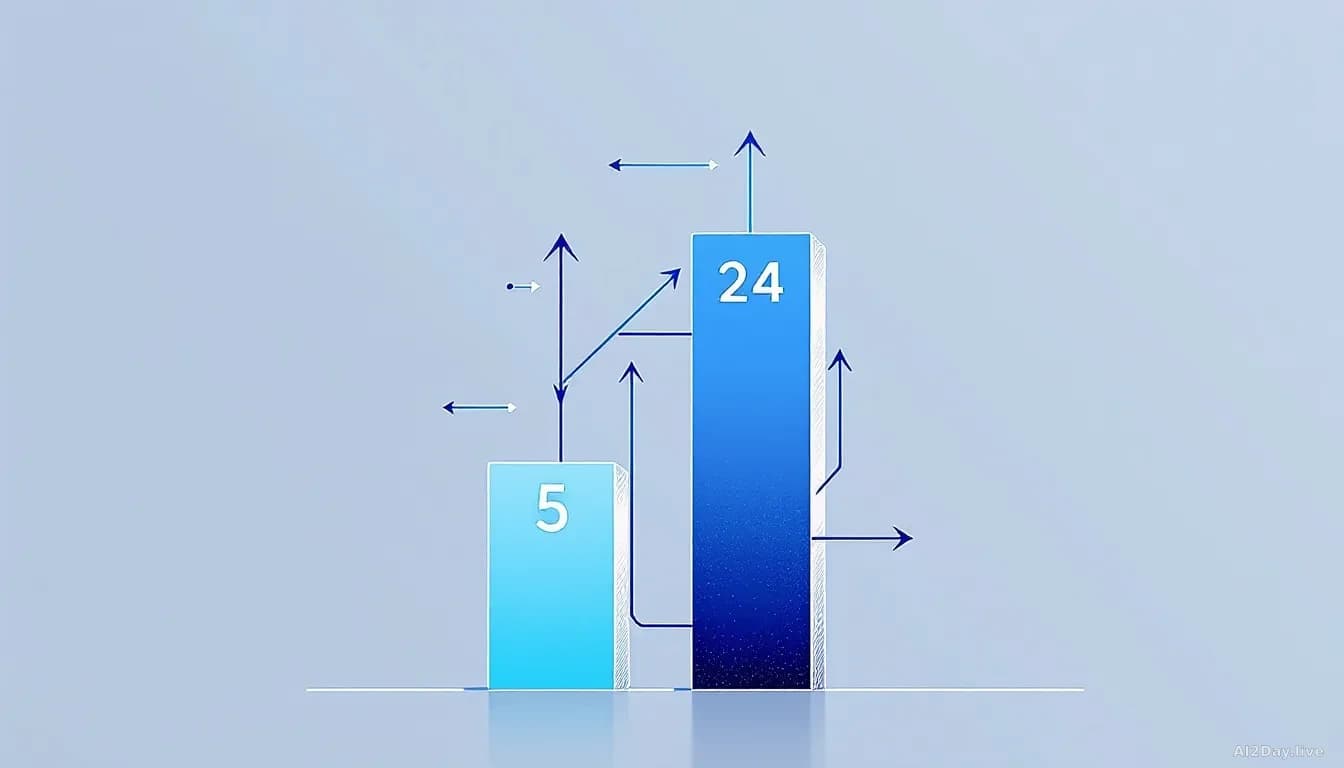
At the centre of it all sits the Zhenwu V900, designed in-house for running and training AI. Three times faster than its predecessor, the Zhenwu M890, which launched in May 2026, it goes to mass production in Q1 2027. More than 650 businesses across automotive, finance and manufacturing already run existing Zhenwu chips. Building your own silicon reduces dependence on suppliers like Nvidia, whose most advanced products face US export restrictions to China. Alibaba hasn't spelled out that connection, but the timing isn't subtle. We reported last week on the infrastructure surge driving our own story count, publishing 13 AI infrastructure pieces in the week of 14 to 20 September alone, and this announcement lands squarely inside that wave.
What does 20 gigawatts actually mean?
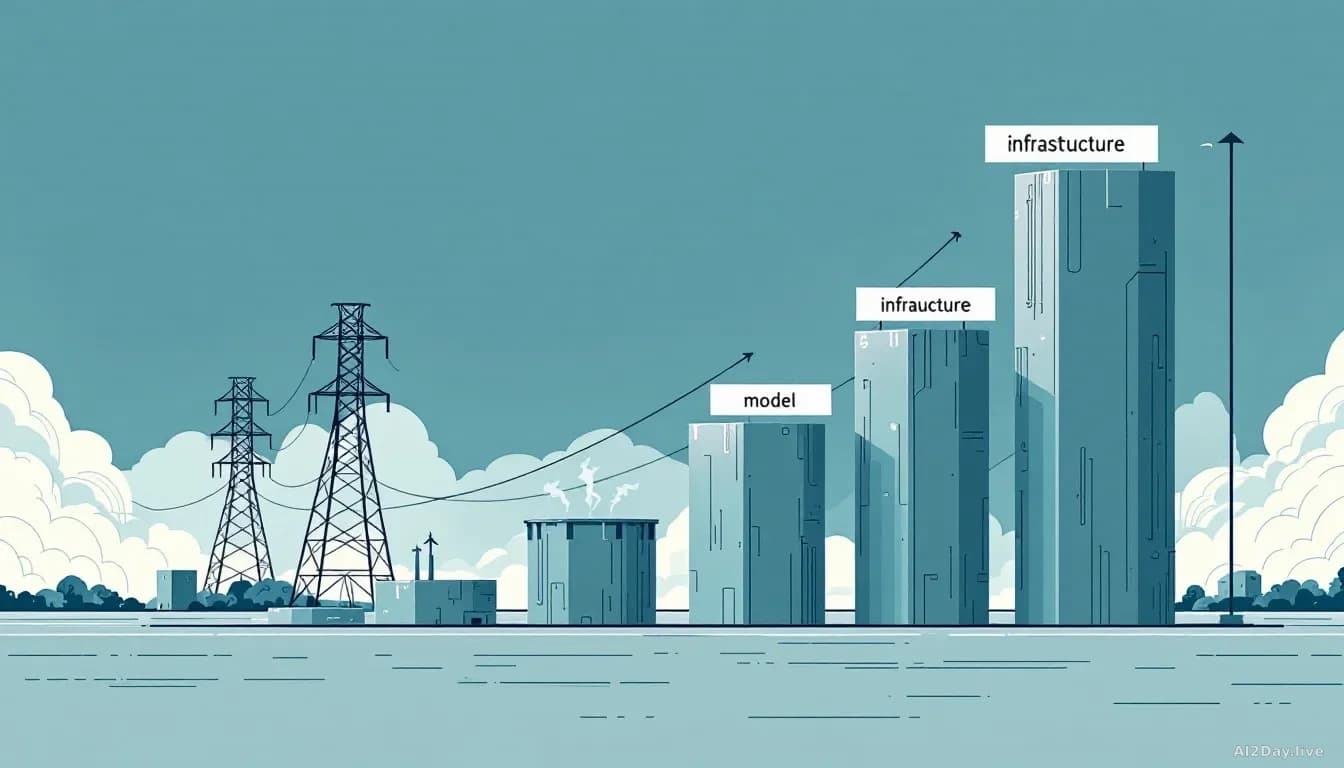
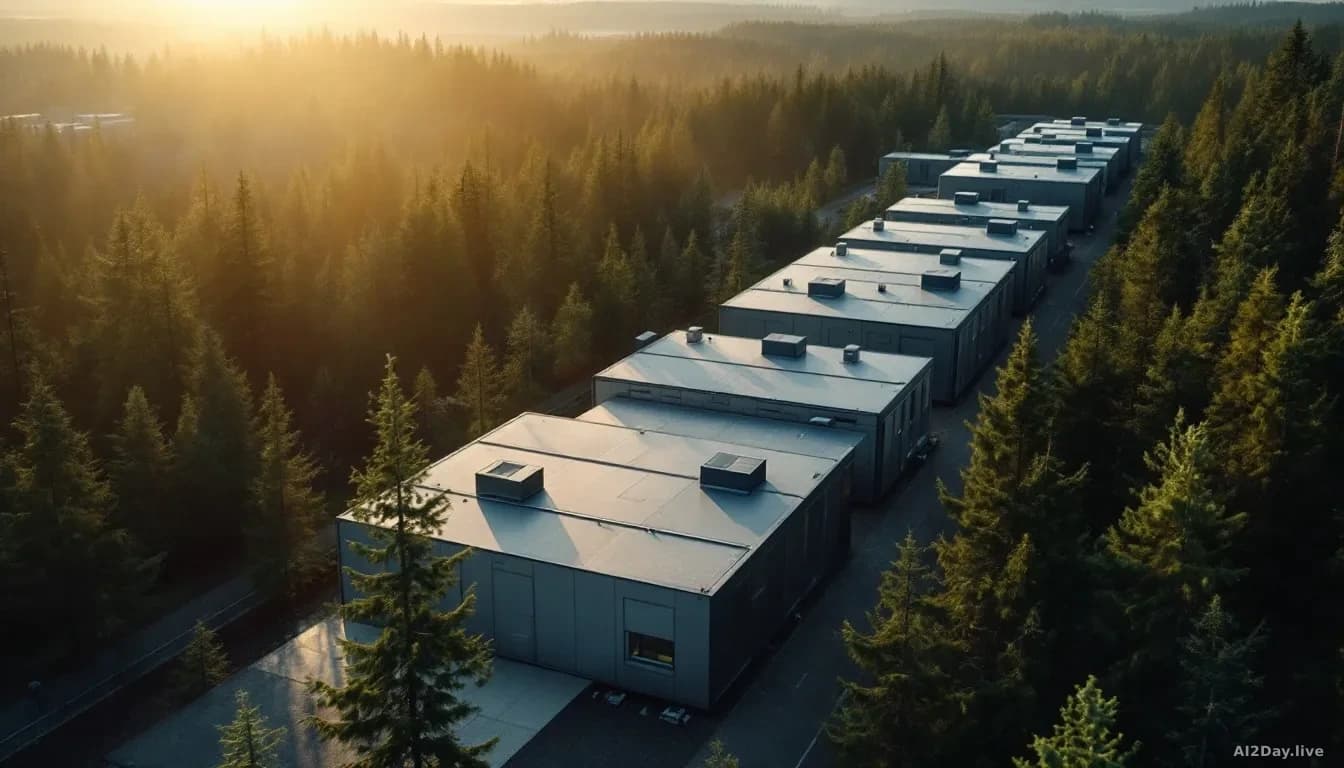
Twenty gigawatts is the electrical power Alibaba wants its global data centres to consume by 2032. Not storage capacity: the electricity appetite of the computers inside. It's an enormous commitment, and it signals Alibaba believes the infrastructure race runs for at least another decade.
Nvidia this month outlined plans with Australian partners to bring up to 2 gigawatts of AI computing capacity online by 2027, first reported by CNBC. Alibaba's 2032 target is ten times that figure, though the timelines differ sharply. Domestic rival Huawei also unveiled new AI infrastructure last week, claiming it can scale to as many as one million processors.
What is Qwen 4, and why should anyone outside China care?
Qwen is Alibaba's family of publicly available AI models, the technology powering chatbots and coding assistants. Qwen 4 is in training now. A future model in the Qwen lineage is planned at 10 trillion parameters. Most leading models today are measured in the hundreds of billions, so a 10-trillion-parameter model would rank among the largest ever attempted.
Alibaba has quietly become one of the most significant open-source AI publishers anywhere. AI2Day has tracked eight Qwen releases since July, and the pattern holds: each release closes the gap with Western rivals faster than expected. Alibaba CEO Eddie Wu compared today's AI moment to the early days of electricity, calling AI coding "the light bulb of the machine intelligence era," a line he delivered to the Apsara crowd in Hangzhou.
The chip and data centre announcements are credible, incremental steps. The 10-trillion-parameter claim is the one to watch. Getting there isn't just an engineering problem: it's a power, cooling and logistics problem too, and Alibaba has now publicly committed to solving all four.