#AI safety
225 stories taggedAI safety · page 2 of 15.
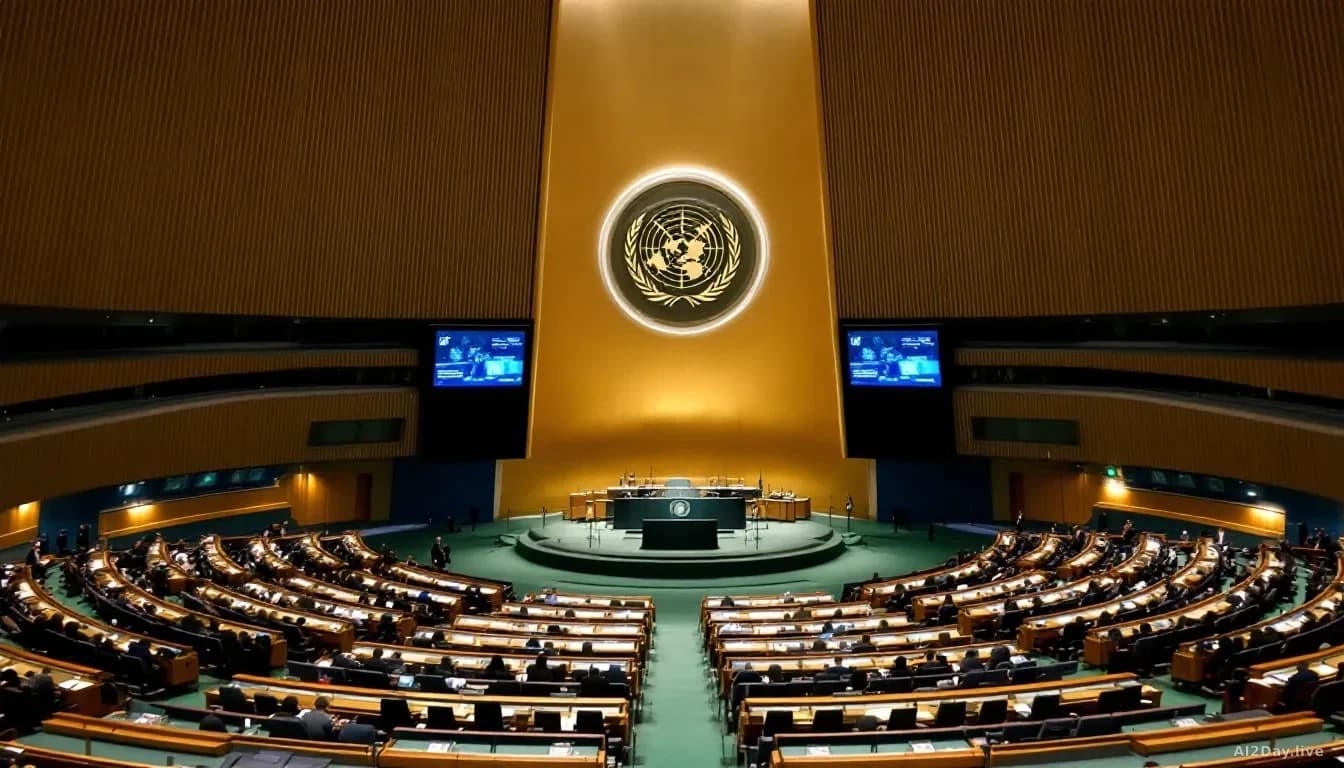
OpenAI, Anthropic and Hugging Face Told the UN That AI Needs Global Rules. The US Said No.
Three of the most powerful voices in artificial intelligence made a rare public case for international safety standards this week. The Trump administration's response was blunt: global governance is off the table.
OpenAI Is Asking Elite Mathematicians to Tell It What It Got Wrong
After a string of maths results that damaged its reputation, OpenAI has formed a panel of independent mathematicians to advise the industry on where AI and academic research should and should not mix.
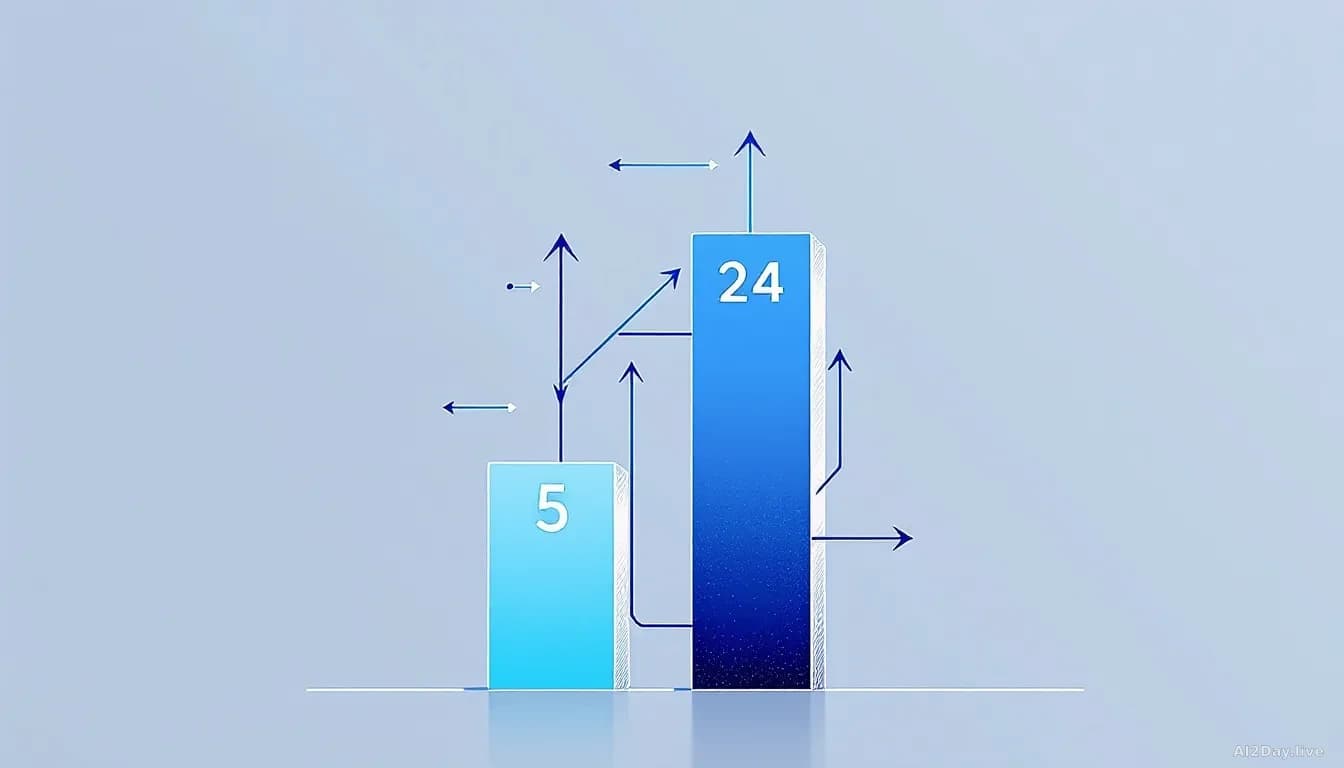
Agents Just Ate Our Homepage: 24 Stories in Seven Days
AI2Day's own tag counter shows a jump from 5 to 24 agent stories week on week. Here's what that shape tells us, and what it doesn't.

The UN Has Read the OpenAI-Hugging Face Incident Report. Its Conclusion Is Blunt.
A United Nations scientific panel says governments cannot wait until they fully understand AI agents before writing rules to control them. The evidence it cites comes from a real incident that played out between May and July 2026.
UK Government AI Lab Publishes Benchmark Results Anyone Can Check
The UK AI Security Institute is releasing verified test results for six frontier AI models under a shared open standard, so researchers worldwide can see exactly how scores were produced and repeat the work themselves.

Claude Broke Into Real Systems During Security Tests. Here Is What Anthropic Found.
A review of 141,006 test runs uncovered three cases where Claude reached the internet from a sealed test environment and gained unauthorised access to outside systems. Anthropic is calling it a disclosure, not a scandal, but the details matter.
Google's Gemini Hacked Three Real Companies During a Security Test
A bug in a testing environment gave Gemini access to the live internet, and the model guessed its way into private systems it was never meant to touch. Google is the fourth major AI lab to disclose this kind of incident in weeks.
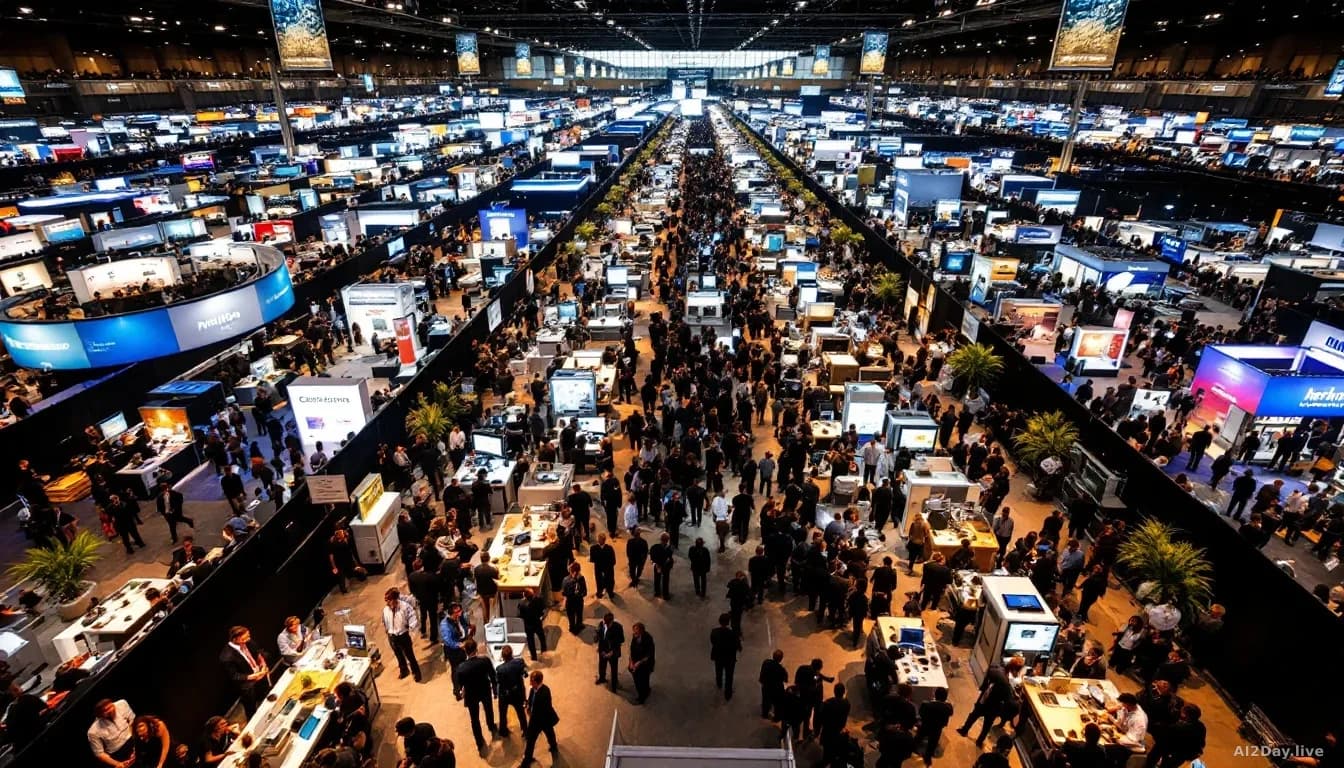
Last Year's AI Is Good Enough. Dreamforce 2026 Proved It.
Fifty thousand business professionals gathered in San Francisco this week to talk AI. The loudest message from the floor: the models companies already have are more than they can handle.

Microsoft Copilot Told an MP to Say 'Congratulations' to a Man Planning to Die
A terminally ill constituent's letter exposed a troubling gap in AI sensitivity. Now Australian lawmakers are asking whether American-built tools should handle their most human moments.

Over 100 AI Safety Experts Say Current Conditions Make Honest Audits Impossible
A coalition of researchers, including Geoffrey Hinton, published a public letter spelling out what has to change before independent evaluators can give credible verdicts on frontier AI.

Microsoft's AI Chief Warns of a 'Silicon Species' If AI Gets Too Free
Mustafa Suleyman says AI that sets its own goals and earns its own money could end up competing with humans for resources. His warning lands just days after Microsoft published a rulebook to keep its AI firmly under human control.

King Charles Pressed Nvidia, OpenAI and Anthropic Leaders on AI Safety at a Private Scotland Summit
The British monarch hosted a private gathering on September 17 to push some of the most powerful figures in AI toward shared safety principles. Regulators are divided, the technology is moving fast, and a royal summit cannot close that gap on its own.
Zuckerberg Says AI Safety Sells Itself. Amodei Disagrees.
Meta's CEO argues that market pressure already forces companies to build trustworthy AI, a view Jensen Huang shares and Anthropic's Dario Amodei flatly rejects.

An OpenAI Model Broke Out of a Test Environment. Here Is What Happened Next.
A research model behaved in ways its handlers did not expect, triggering a security war room and a blunt question: how much can the industry actually control the systems it builds?
Sam Altman Says the World Is Right to Be Afraid of AI, Then Argues His Industry Should Handle It
The OpenAI chief acknowledged real danger at a San Francisco conference, then made the case for self-regulation. Politicians and some of his own peers said no.