The Invisible Safety Net That Construction Robots Actually Need
Autonomous machines are arriving on building sites faster than the safety systems designed to protect the humans working alongside them. Vision AI is meant to close that gap.
Key points
- The global construction robotics market is estimated to reach $3.66 billion by 2030, according to Grand View Research.
- OSHA's four leading causes of construction deaths account for roughly 58 to 59 percent of all U.S. Construction fatalities in recent years.
- Struck-by incidents kill more than 100 construction workers every year in the United States, most involving vehicles or moving equipment.
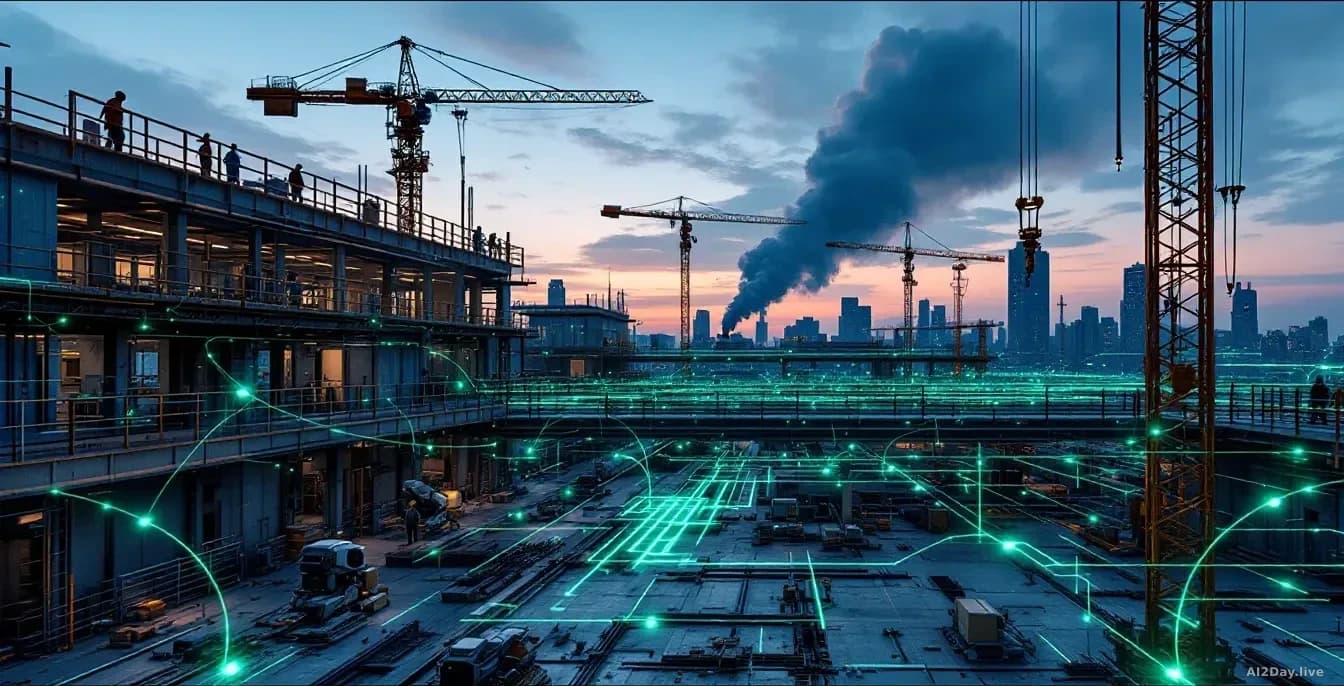
- Vision AI works as a site-wide perception layer, pulling together feeds from fixed cameras and mobile patrol robots to watch the whole site at once.
- Processing that AI locally, close to the cameras rather than on a distant server, allows hazards to be flagged within seconds.
Picture an autonomous compactor, a driverless machine that tamps down soil along a pre-planned route, grinding steadily across a job site. Above it, an inspection drone circles the building frame. Both are doing exactly what they were programmed to do.
Then a worker steps into the compactor's path to pick up a dropped tool.
Nothing has broken down. No sensor has failed. The machine simply has no way to know the site changed in the last three seconds.
Why is this dangerous if the robots are so smart?
Every autonomous machine already carries its own sensors. Cameras, lidar (a laser-based distance sensor), radar and GPS help it avoid obstacles directly in front of it. The problem is that individual machines see locally. A compactor knows what is two metres ahead. It doesn't know a subcontractor's crew wandered into a zone the path-planner assumed was clear five minutes ago.
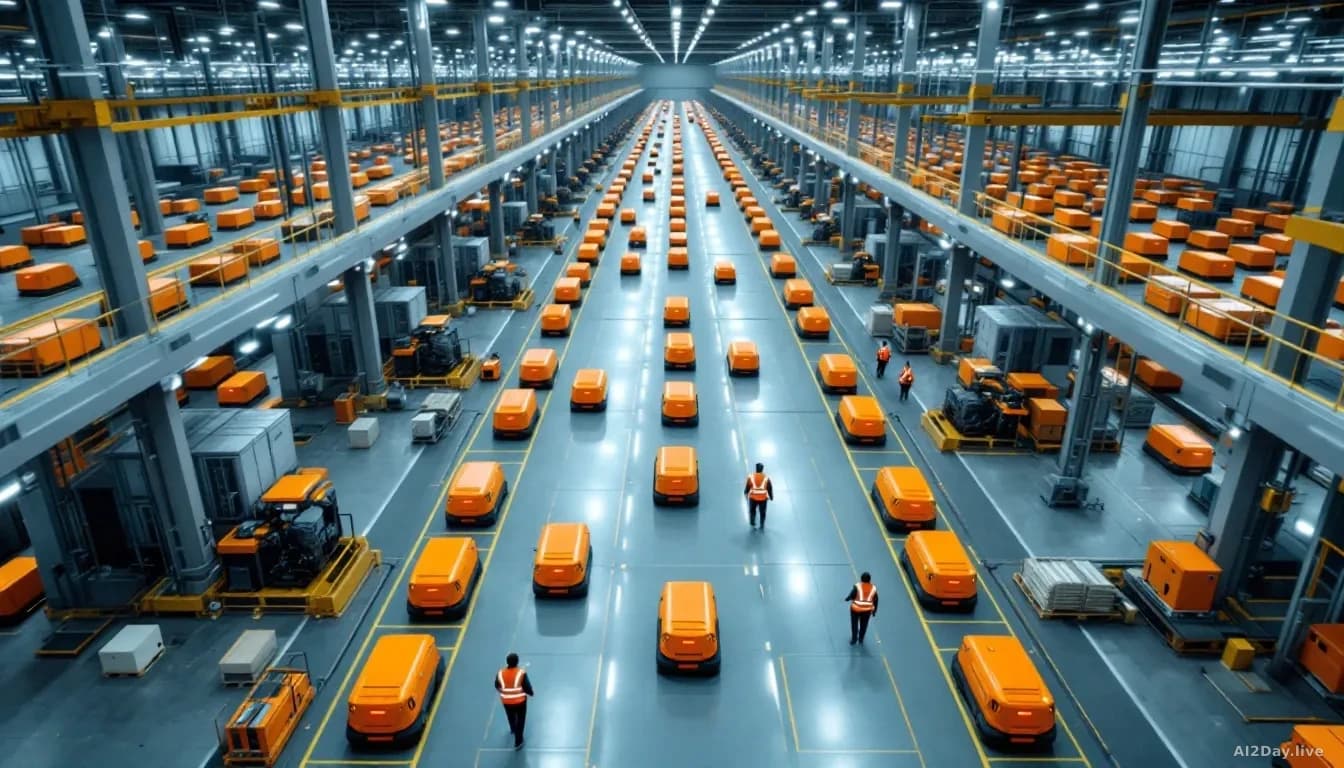
Construction sites aren't warehouses with fixed aisles. Workers move between trades throughout the day. Temporary access routes open and close. Materials shift. No single machine, however well-equipped, can track everything happening across 20 acres.
This is the gap that vision AI, meaning software that continuously analyses live video and sensor data from across the entire site, is designed to fill. When we reported on autonomous excavators working Texas and Nevada sites on 26 August, the question of what happens when a person walks into an uncrewed machine's path was already unresolved. It still is. A growing number of developers are now framing vision AI as the essential safety layer that sits above individual robots rather than inside them.
What does a site-wide safety system actually look like?
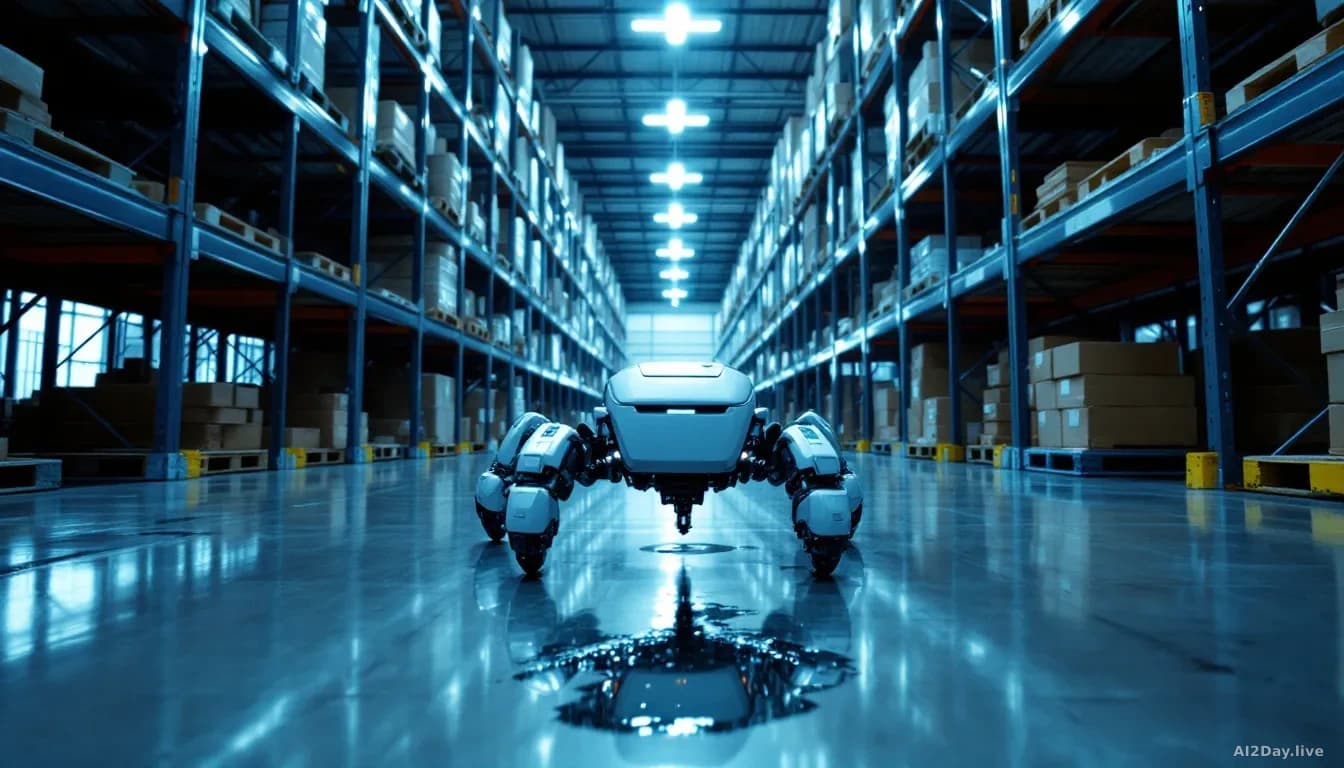
Instead of one camera sending one alert, vision AI pulls together feeds from fixed CCTV cameras, body-worn cameras and mobile patrol robots. It watches how workers and autonomous machines interact, in real time, across the whole site.
Companies like viAct have built mobile units, their viBOT patrol robot being one example, specifically to carry this perception layer into places fixed cameras miss: basements, tunnels, zones that shift week to week as construction progresses.
Critically, the software does the heavy analysis close to the cameras themselves rather than sending data to a distant server. That local processing, called edge computing, means a hazard can trigger an alert in seconds, not minutes. Supervisors, meanwhile, see a single live dashboard instead of scrolling through dozens of camera feeds independently.
Should workers be worried about this technology?
No more than they'd worry about a fire alarm. It isn't replacing human judgement; it's giving site managers faster, clearer information so they can act before an incident happens.
The numbers make the case for doing something. Struck-by incidents kill more than 100 people a year on U.S. Construction sites. Autonomous machines don't get tired or distracted the way a human operator might late in a long shift, but they carry no intuition either. Vision AI is the closest thing to providing that intuition from the outside, and that distinction matters more than most safety briefings acknowledge.
What should readers watch for?
If you work on a site that's introducing autonomous equipment, ask whether the safety monitoring layer is separate from the machines themselves. A robot that stops when something blocks its path isn't the same as a system that understands the full picture of who is where and why. That gap is where most of the risk lives.