SpaceX Is Really a Satellite Firm That Rents Out Computer Power. The Rockets Are Almost a Side Note.
The company's first public earnings report shows Starlink internet and data-centre leasing dwarfing actual space business, and Elon Musk's grand orbital plans look a lot like wishful thinking.

Key points
- Starlink, SpaceX's satellite internet service, brought in $4.2 billion in revenue in Q2 2025 and was the only division that did not lose money.
- SpaceX's neocloud business, which rents server capacity to other companies, drove $15.8 billion in spending in a single quarter, more than ten times what it spent on rockets or connectivity.
- Analyst Alexander Potter expects spending on SpaceX's data-centre rental business to hit $65 billion in 2026, according to Bloomberg.
- SpaceX's rocket business generated less than $1 billion this quarter and accounted for just over 10 percent of total revenue.
- Insider share lockups, meaning restrictions that stop early investors and staff from selling their stock, begin expiring on 6 August 2025.
Here is a company called SpaceX. It mostly earns money from satellite internet subscriptions and renting out computer hardware. Its actual rocket launches contribute barely a tenth of what comes in, and that's what the company's first-ever quarterly earnings report, covered by The Verge AI, shows.
So what does SpaceX actually do for money?
Starlink, the satellite internet service advertised for rural broadband or boat trips, is the main earner. It pulled in $4.2 billion last quarter and was the only part of SpaceX to post a profit rather than a loss.
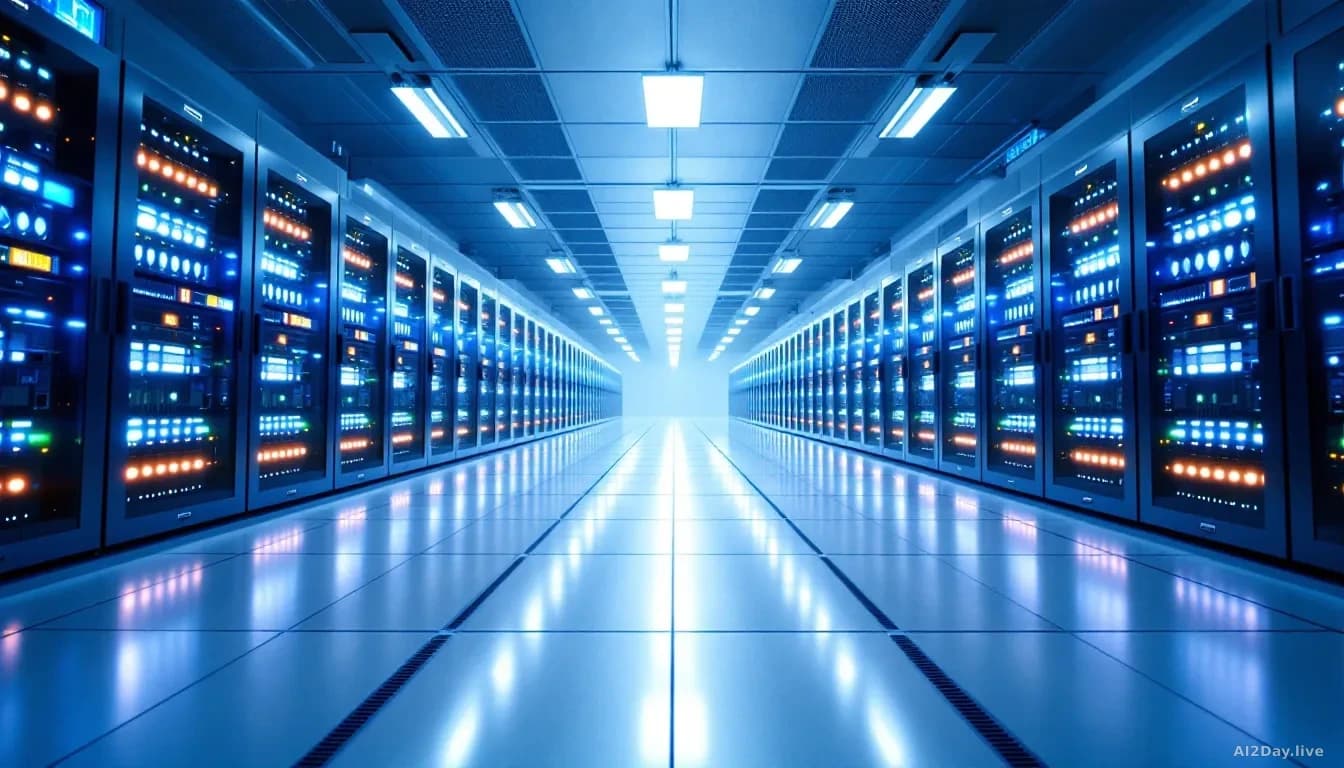
The second big business is neocloud: renting space inside huge data centres, the warehouse-sized buildings packed with computer chips, to AI companies that need enormous amounts of processing power. SpaceX spent $15.8 billion on this in a single quarter. Clients now include Google and Anthropic, the company behind the Claude AI assistant. SpaceX chief financial officer Bret Johnsen said those deals put the company on track for $100 billion in annualised revenue.
Rockets brought in under a billion dollars. SpaceX is also its own biggest rocket customer, because not enough other buyers exist.
How did a rocket company end up renting computer power?
Musk built a massive data centre in Memphis, called Colossus 1, to run Grok, his own AI chatbot. Grok had problems: the centre mixed newer and older chips in ways that created bottlenecks, and server distances caused delays that made training AI models difficult. So rather than fix it, xAI, the company behind Grok, started renting spare capacity to outside clients instead. Musk said on the earnings call that only 10 percent of the compute SpaceX builds will go to Grok.
The data-centre business is largely a workaround for an AI project that didn't go to plan. We looked at the battery infrastructure behind those Memphis facilities on 4 August in our story on SpaceX's $329 million Tesla battery spend.
Should you care about the space plans Musk keeps announcing?
Probably not yet. Musk has spoken about building data centres in orbit, filed a proposal with the FCC, the US agency that regulates broadcast and internet services, for up to one million satellites, and talked about a mass accelerator on the Moon. The FCC application is short on technical details, with no satellite sizes or deployment dates listed, which suggests it's more for PR than engineering.
Several scientists have raised doubts about whether orbital data centres make physical or financial sense, as The Verge AI reported. Building server farms in space when you're still sorting out the ones on the ground is an ambitious order. There's also a basic economics problem: the more data centres anyone builds, the more computing power exists, and the harder it becomes to charge a premium for yours.
What does this mean for ordinary investors?
Insider lockups on SpaceX stock started expiring 6 August 2025. If early staff and investors sell, that adds supply and tends to push prices down. Separately, Nasdaq changed its rules to allow SpaceX's listing structure, which means anyone holding a broad index fund may now have indirect exposure to whatever happens next.
Revenue is not profit. Big numbers are good to hear; whether they translate into returns for shareholders is a different question entirely.
Common questions
Is Starlink actually profitable?
Yes, at the operating level. It was the only SpaceX division that reported positive operating income in Q2 2025. The rest of the company spent more than it earned.
What is Grok, and why does it matter here?
Grok is Musk's AI chatbot, built to rival tools like ChatGPT. It was the original reason SpaceX built its Memphis data centre, but technical problems meant that centre now earns more money serving other AI companies than running Grok itself.
Could SpaceX's stock fall soon?
Short-sellers, investors who bet on a price falling, expect insider selling to put pressure on the stock once lockup periods expire from 6 August 2025. That's not a certainty, but it's a concrete risk worth knowing about.