SpaceX AI Revenue Tripled to $2.6 Billion, But the Division Still Lost $1.5 Billion
SpaceX is now a major seller of computing power to AI companies, but its AI arm is burning cash even as the broader company narrows its losses.

Key points
- SpaceX AI revenue grew more than three times year-on-year to $2.6 billion, driven by deals to sell computing power to other AI companies.
- The AI division lost $1.5 billion in the quarter, slightly less than the same period last year.
- SpaceX signed compute deals with Anthropic in May 2025 and Google in June 2025.
- Capital expenditure, meaning money spent on physical assets like data centres and hardware, reached $18.37 billion.
- The company's overall quarterly loss narrowed to $143 million.
SpaceX is better known for rockets than data centres. That's changing fast.
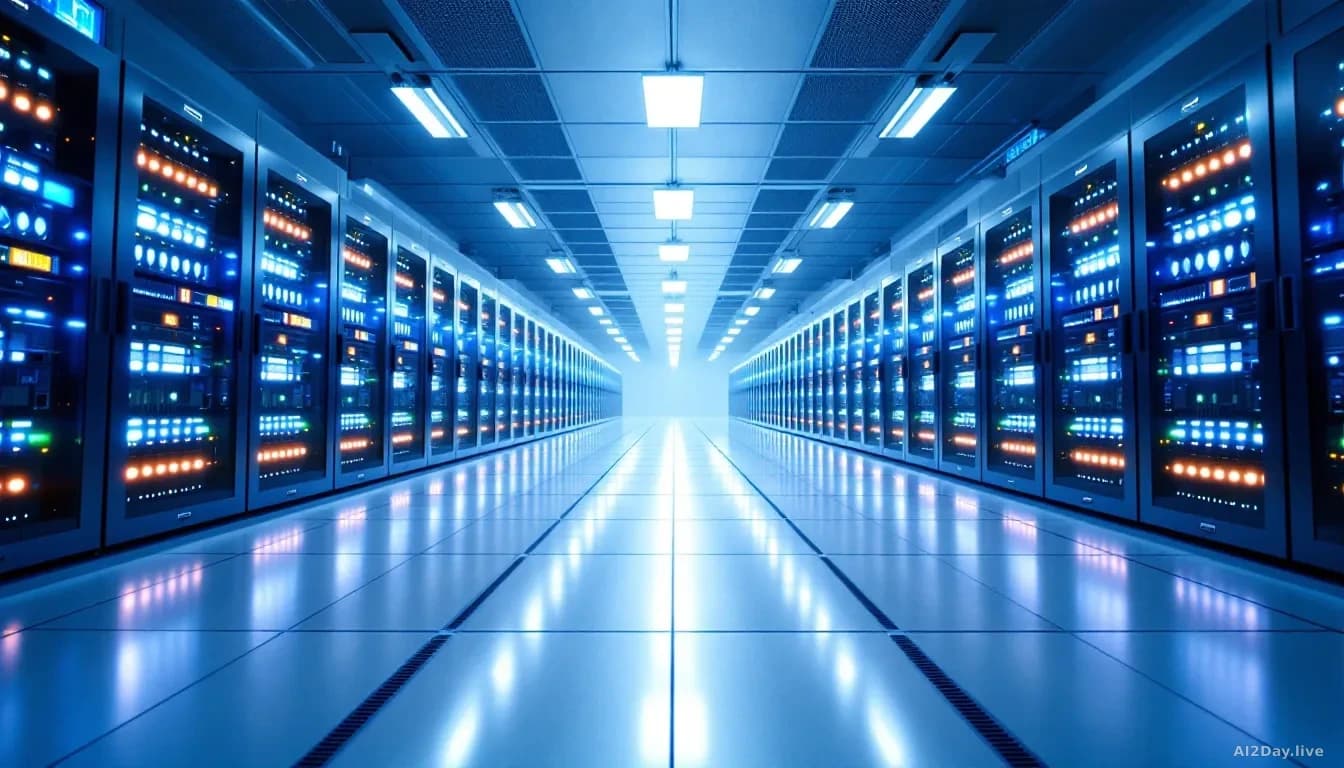
The company's AI division pulled in $2.6 billion in revenue this quarter, more than three times what it made a year ago. Most of that growth came from selling compute, meaning raw processing power, to other AI companies. SpaceX confirmed the figures in its latest quarterly earnings, alongside documents prepared for a potential public listing that describe the AI division as the source of most of the company's value.
What is SpaceX actually selling here?
SpaceX rents out computing power much as Amazon or Microsoft do, though it's positioning itself against neoclouds, companies that specialise in AI computing rather than general cloud services. CoreWeave is the best-known rival in that category. We first covered the neocloud sector on 4 August 2026, when SpaceX was already emerging as a contender.
The two headline deals were with Anthropic, the AI safety company behind the Claude chatbot, struck in May, and with Google in June. Both are paying SpaceX to run AI workloads on its hardware.
Is the AI division actually making money?
No, not yet. The division lost $1.5 billion this quarter, a fraction better than the same quarter last year but still a large hole. The wider company is also in the red, losing $143 million overall, though that loss is narrower than before.
Capital expenditure hit $18.37 billion, reflecting the scale of what SpaceX is building: data centres, chips, power supply and the rest of the physical layer that AI computing demands. Earlier this year we reported on how Google's own ballooning infrastructure costs rattled investors across the industry, and SpaceX faces a version of the same scrutiny.
What does Starship have to do with any of this?
Starlink, the satellite internet service, is the only part of SpaceX that actually earns money. To grow it, SpaceX needs to launch heavier, more capable satellites, and only Starship can carry them. Development costs for the space division rose by $389 million year-on-year, with Starship as the primary driver.
SpaceX said this quarter it's already launched 20 of the new heavier satellites. A full deployment batch means 60 at once, and no timeline has been given for that.
Should you worry about all this spending?
For most people this plays out indirectly. Starlink subscribers depend on those new satellites for faster service. Anyone using an AI product built on Anthropic or Google infrastructure may already be touching SpaceX hardware without knowing it.
According to Bloomberg, SpaceX's shares rose briefly after the earnings report and then resumed a decline. The company is spending at a scale that hasn't turned profitable yet. What matters most here isn't the revenue headline, impressive as tripling sounds: it's whether the compute business can close that $1.5 billion gap before the infrastructure bill grows any larger. That's the number worth watching next quarter.