Software-Defined Manufacturing: Can Old Factory Machines Learn New Tricks?
A Georgia startup says yes. R2 Labs plugs AI vision and robotics into equipment that factories already own, letting production lines change what they make without buying new hardware.
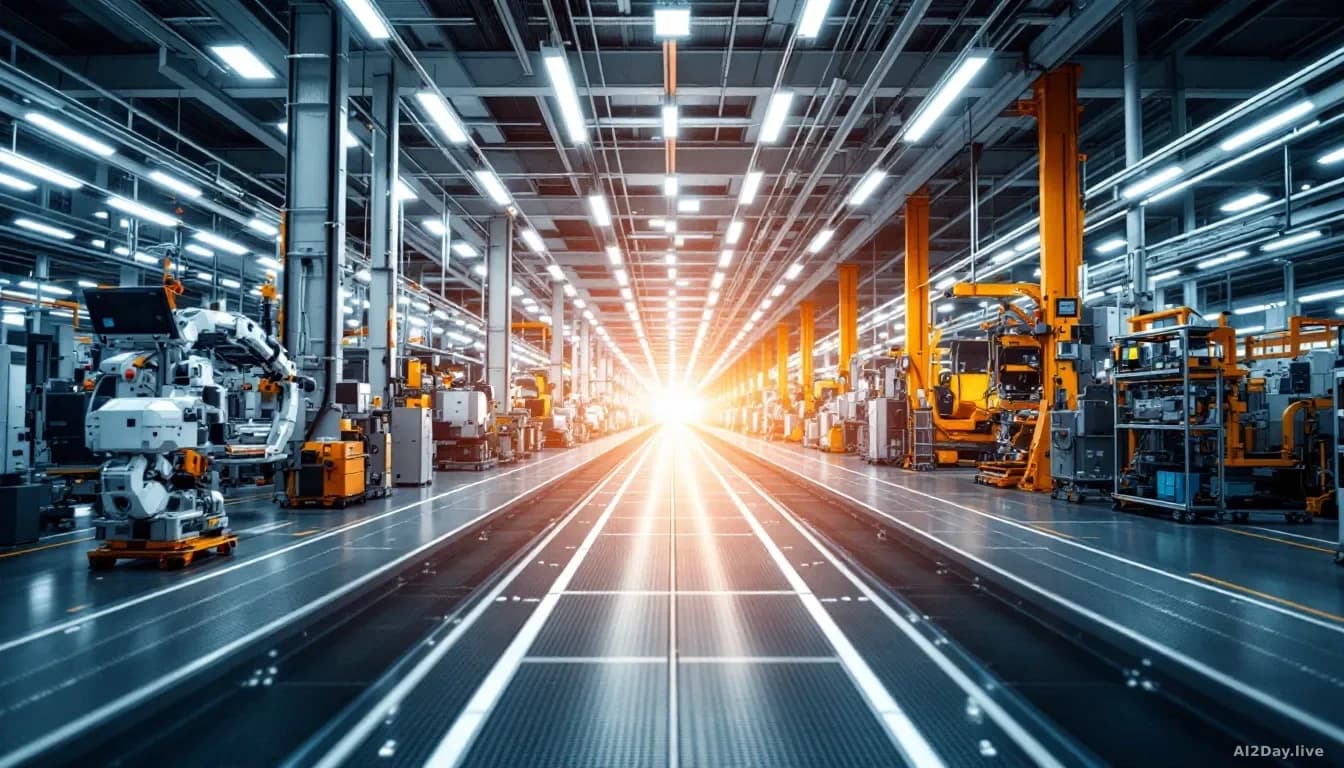
Key points
- R2 Labs, based in Peachtree Corners, Georgia, makes a controller called the RAC that adds AI vision and advanced robotics to existing factory equipment.
- The company's founder, Dr. Roby Lynn, holds a Ph.D. In mechanical engineering from the Georgia Institute of Technology and previously worked at Formlabs, a 3D-printing firm.
- Software-defined manufacturing means factories change what they produce by updating software, not by buying new machines.
- Dr. Lynn appeared as a guest on Episode 258 of The Robot Report podcast, published this week.
What is software-defined manufacturing, and why does it matter to ordinary people?
Software-defined manufacturing is the idea that a factory's flexibility lives in its software, not its physical machines. A car plant or a food packer can switch products by updating a program, the same way you update an app on your phone, rather than buying an entirely new production line.
That matters to consumers because flexible factories can respond faster to shortages and keep older plants running instead of being shut down. We reported on the same logic in July, when KUKA fitted an AI platform to an Ohio Jeep plant that has built every Wrangler body sold worldwide since 2006.
What does R2 Labs actually build?
The company's main product is the RAC, short for R2 Autonomy Controller. Think of it as a brain that clips onto a machine a factory already owns and gives it the ability to see, decide, and act.
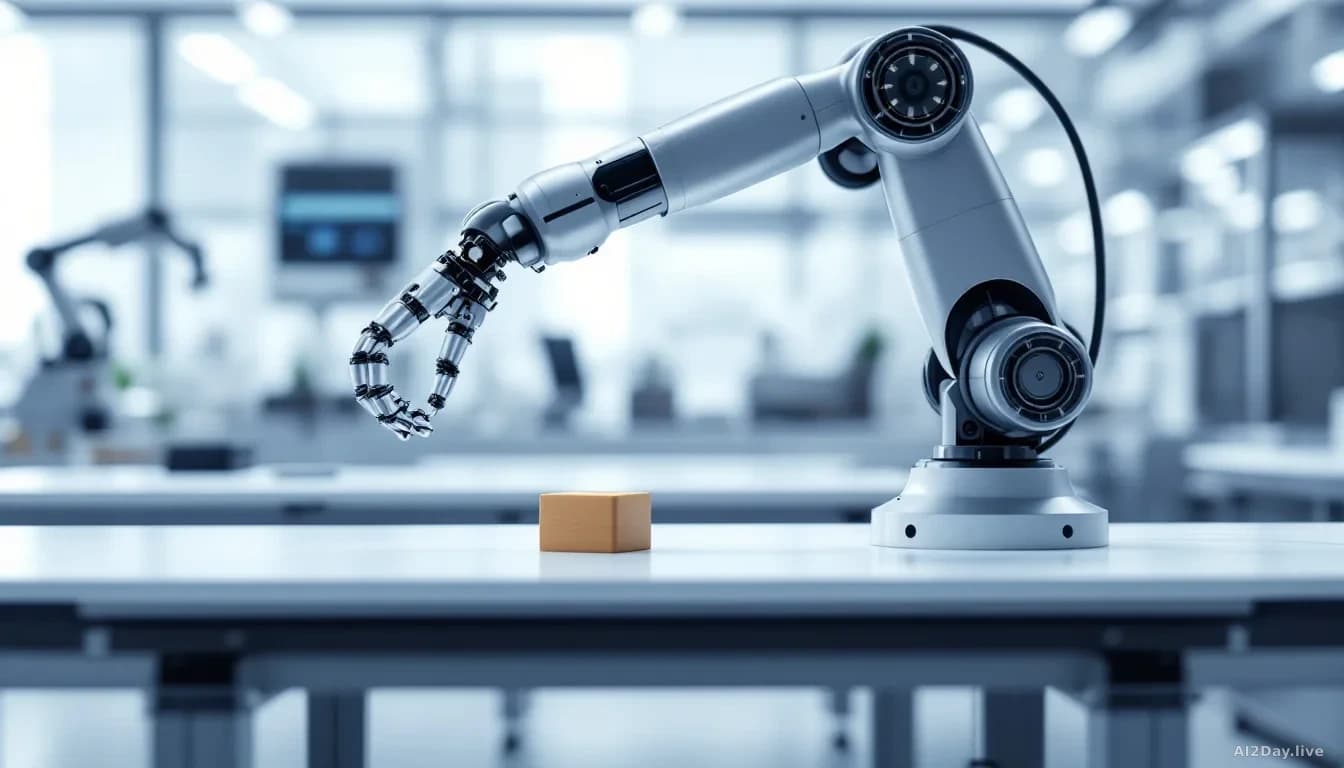
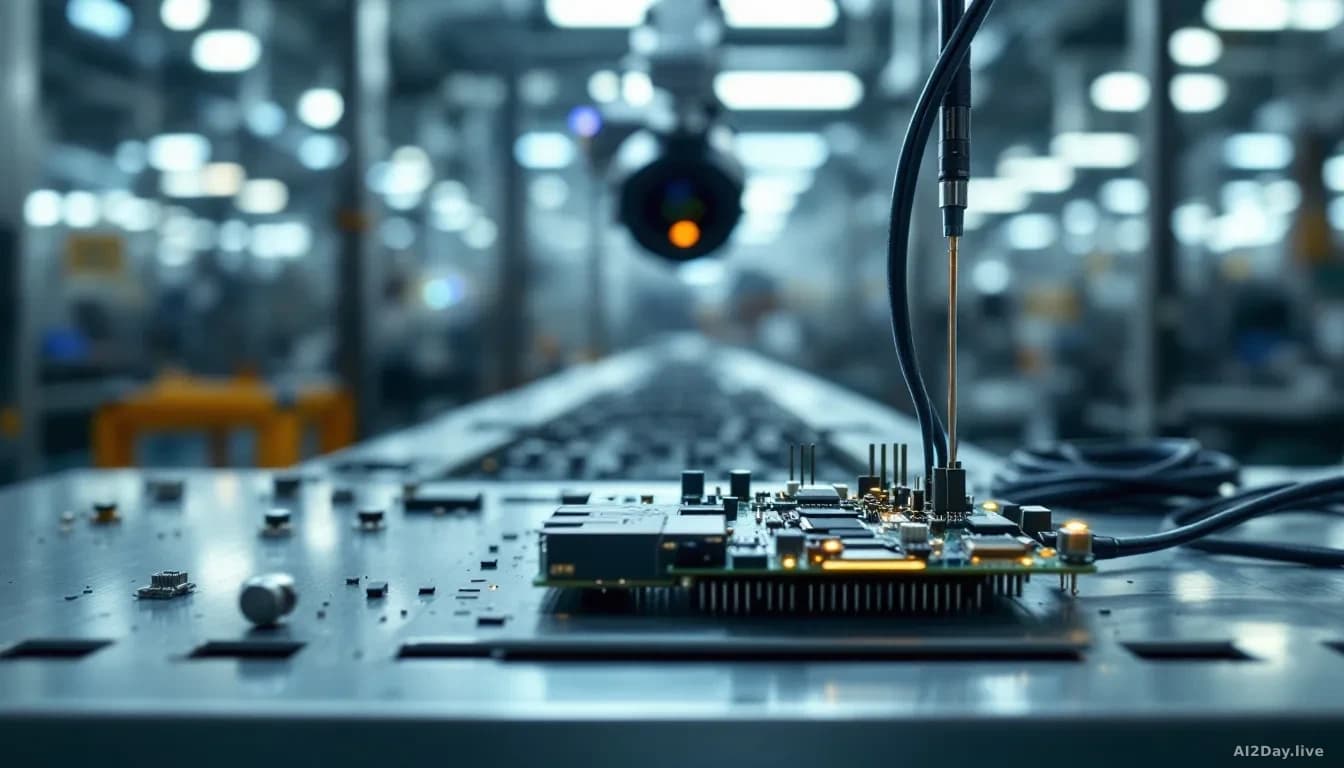
AI vision software reads camera feeds the way a trained inspector would, catching defects and logging counts. A mechanical arm or gripper then acts on that data. A press or packaging line bought a decade ago can behave like something ordered last year.
For workers, the picture isn't simple. Automation can eliminate repetitive tasks, and it can free people from the physically punishing parts of a shift. It can also create pressure on the jobs that remain. How companies manage that trade-off is still very much contested across the industry.
What else came up in the podcast?
Episode 258 also covered four other news items.
| Topic | What it is |
|---|---|
| NoTip delivery system | An autonomous, meaning driver-free, delivery robot |
| Unitree Robotics IPO | A Chinese robotics firm moving toward a public stock offering |
| FORT Robotics SPAC merger | A safety-software company going public via a SPAC, a blank-cheque vehicle used as a faster route to a stock exchange listing |
| Logic Pallet and Digital Twin OS | A system that automates moving freight between trains and trucks, paired with a digital twin, a virtual copy of a real operation used to plan and test changes |
What happens next?
R2 Labs hasn't announced a funding round or product launch tied to this appearance. Dr. Lynn's visibility signals growing mainstream interest in retrofitting, upgrading old machines rather than replacing them, as a cost-conscious alternative to new facilities. That fits a broader pattern: North American robot orders jumped 21% in value in Q2 2026, with the biggest gains coming from food producers and life sciences firms that need flexibility without full-line replacement.
Common questions
Do factories have to stop production to install something like the RAC?
Installation details vary by site, but retrofit controllers are generally designed to bolt onto existing equipment with minimal downtime. R2 Labs hasn't published a specific figure for installation time.
Is this technology only for large manufacturers?
Software-defined tools are increasingly marketed to mid-size and smaller factories that can't afford a brand-new automated line. Retrofitting is often the more affordable entry point.