No surgery required: BrainCo wants to read your mind with a headband
While Neuralink makes headlines by implanting chips in people's brains, a Hangzhou startup backed by $280 million says wearable sensors and AI can do the job without ever opening the skull.
Key points
- BrainCo raised 2 billion yuan ($280 million) in a funding round co-led by IDG Capital and Walden International in 2025.
- China's government named brain-computer interface technology a strategic "future industry" in its latest Five-Year Plan.
- BrainCo's FDA-cleared bionic hands read electrical signals from an amputee's nerves and muscles and translate them into finger movements.
- Seven Chinese ministries issued a joint BCI industry plan in August 2024, targeting key technology milestones by 2027.
- Jefferies named invasive implants and ultrasound-based methods the "most promising" frontiers in a July 8 report, while crediting BrainCo with a commercialisation edge.
Neuralink puts a small chip inside the skull. BrainCo puts a sensor on the outside. Same goal, very different gamble.
A brain-computer interface, or BCI, is technology that reads electrical signals from the brain and turns them into commands a computer or device can act on. Think of it as a remote control made of thought. Neuralink, Elon Musk's company, implants electrodes directly on the brain's surface. BrainCo, founded in 2015 out of Harvard and now based in Hangzhou, China, believes you can get useful results without that surgery at all.
The company's best-known product is an FDA-cleared bionic hand for amputees. Sensors on the arm skin pick up faint nerve and muscle signals, an AI algorithm decodes the intended movement, and the fingers respond. No implant, no operating theatre.
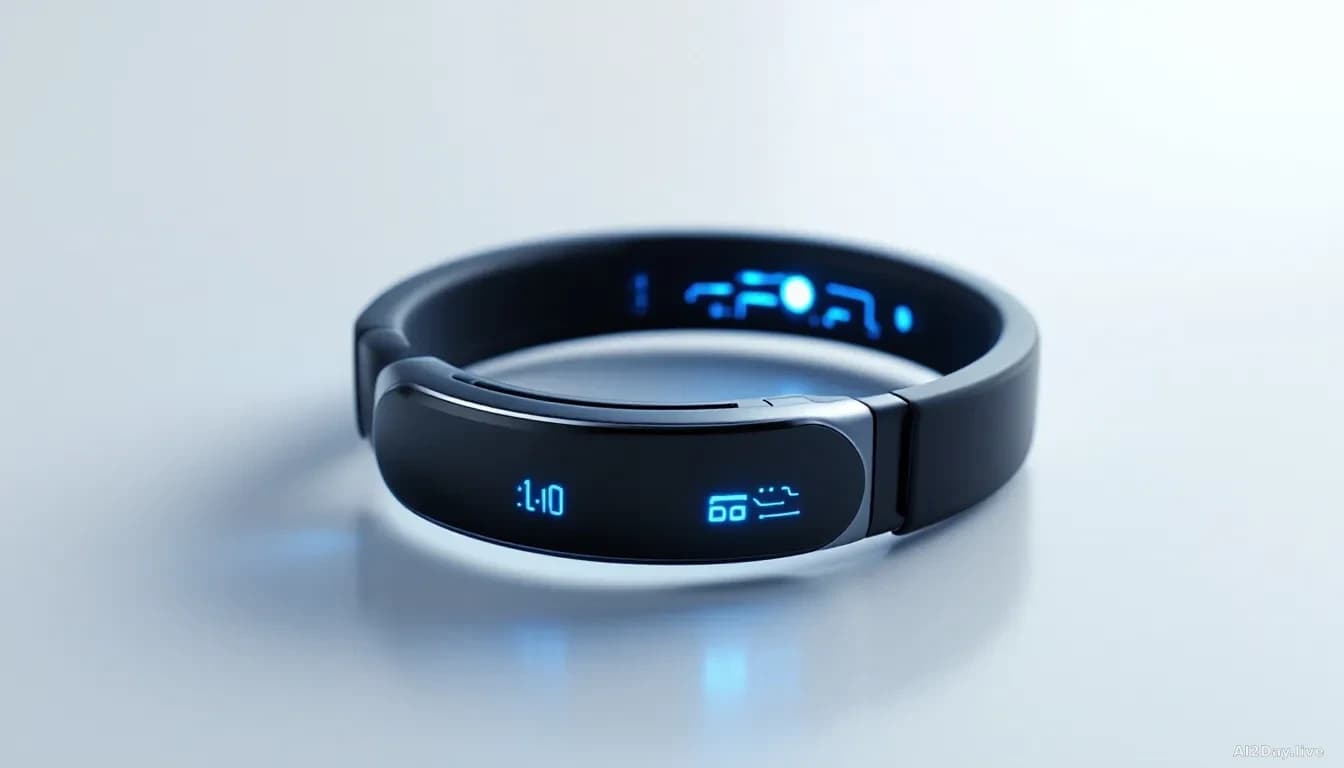
BrainCo also sells a sleep-aid wearable it says delivers low-intensity electrical pulses to encourage brain chemistry linked to relaxation, and focus-training headbands used in schools.
Nyx He, BrainCo's senior vice president, told CNBC the company sees a clear three-stage road: serve amputees first, where insurance pays; move into conditions like ADHD and depression; then reach mainstream consumers. She expects licensing the BCI platform to other companies to become the company's largest revenue driver.
The honest caveat is signal quality. Reading brain activity through skin and bone is like listening to a concert through a thick wall. BrainCo built its own dry electrode sensors (no gel, no prep) and a custom AI algorithm to filter the noise, but critics say non-invasive methods still capture far less detail than implants. "Non-invasive is like trying to capture light in distant galaxies," said Alex Zhavoronkov, CEO of biotech firm Insilico Medicine.
Others are more optimistic. Thomas Tsao, co-founder of venture firm Gobi Partners, backs a rival startup using focused ultrasound, which can reach deeper brain regions without cutting anything.
Should ordinary people be worried about their brain data?
Yes, the privacy question is real. He says BrainCo doesn't collect or upload customer brain data. Readings stay on the user's device, aren't sent to any server, and are deleted after each session. That matters because brain signals can reveal mood, attention and underlying health conditions, making them more sensitive than most data any gadget collects.
The broader race carries geopolitical weight. China has woven BCI into national industrial policy: seven ministries have a joint action plan, Shanghai has paired BCI startups directly with Huashan Hospital, and Chinese health authorities created a dedicated insurance category for the technology. Our earlier story on how China has embedded AI across its economy, published 13 July 2026, shows this pattern isn't new. The US, by contrast, runs largely on private capital and billionaire-backed bets.
Augmenting healthy human brains, the sci-fi version of this story, remains far off. Rui Ma, founder of the Tech Buzz China research platform, put it plainly: "Augmentation is like sci-fi at this point."
What matters for patients right now is that a wearable alternative to brain surgery is already clearing regulators and reaching real users. The gap between headline hype and actual product is worth watching closely.
Watch for: any BCI wearable that promises to upload or analyse your brain data in the cloud. Ask where your data goes, how long it's kept, and who can access it before you strap anything to your head.