More Than 200 Robot Makers, One Big Question: Are Humanoids Actually Ready?
A new industry report cuts through the excitement around humanoid robots to ask what works today, what is still years away, and what it all means for workers in factories and warehouses.

Key points
- Over 200 verified humanoid robot companies are now active worldwide, according to a new report from The Robot Report.
- Semi-humanoid and non-humanoid mobile robots with gripping arms are already operating in real factories and warehouses.
- Unsolved engineering problems include battery life and teaching robots new skills at scale.
- Brightpick CEO Jan Zizka argues that specialised robots still outperform general-purpose ones for most jobs.
- Researchers are experimenting with first-person video recording to build richer AI training data for robots.
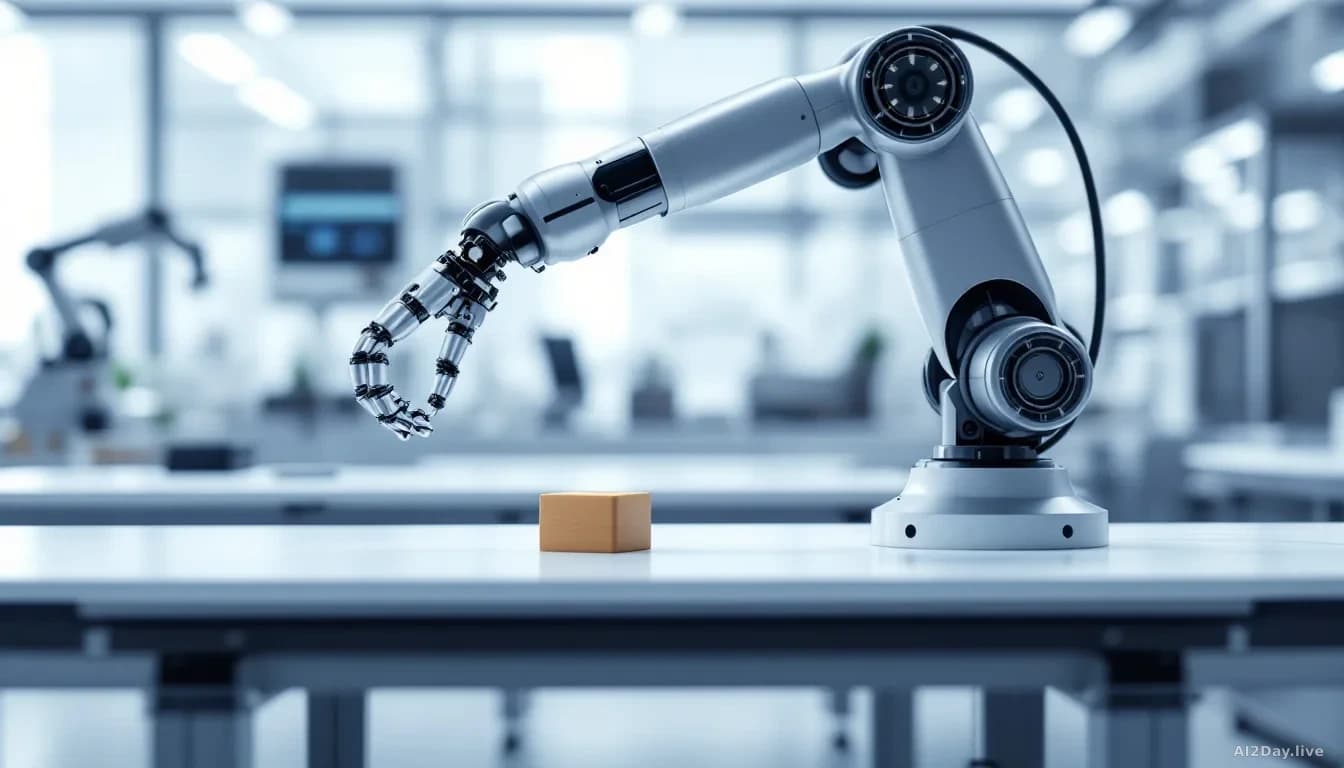
Humanoid robots have attracted billions of dollars in investment over the past year, and headlines have followed every unveiling. The Robot Report's new survey asks the harder question: which of these machines can actually do a job today? Most can't, not yet. The ones quietly arriving on factory floors look nothing like science fiction. They're boxy, wheeled platforms with one or two arms bolted on, built for one task done reliably rather than for looking human.
We first covered this divide between working robots and aspirational ones in our 13 August story on warehouse humanoids, where four experts were preparing to separate real progress from the hype.
What problems are engineers still trying to solve?
Three challenges keep surfacing. Power is the most basic: a robot that runs flat after two hours is useless on a warehouse shift. Perception is next. Full 360-degree awareness is possible but expensive, and cutting that cost is an active area of work. Skills training rounds it out: teaching a robot to handle a new object still takes far more time and data than anyone would like.
Chip maker Lattice Semiconductor flags a fourth concern for robots working near the public. A humanoid in a hotel lobby or a hospital corridor is a potential target for tampering. The report recommends building safety checks into hardware from the start, not patching them in later.
What does this mean for workers?
Most of these machines are handling repetitive pick-and-place tasks in warehouses, work that's physically hard and a frequent cause of injury. Jan Zizka, chief executive of Brightpick, argues in the report that a robot designed for one job will outperform a general-purpose humanoid for years to come. That's a meaningful claim for anyone wondering whether a warehouse robot replaces a whole team or just takes over the heaviest parts of the shift.
Palm Garden AI is training humanoid robots for hospitality and therapeutic care, settings where how a robot moves matters as much as whether it can carry a tray. The company has built what it calls a "Coherence Guard," a software layer intended to keep a robot's social behaviour predictable. Unidata, meanwhile, collects video and sensor data from a first-person viewpoint, recording tasks through the robot's own eyes, to build better AI training sets.
What happens next?
The honest picture is incremental. Specialist mobile robots are already earning their place in logistics. True humanoids, the kind that can shift between jobs the way a human worker can, remain a work in progress. Panellists at the 2026 Robotics Summit and Expo drew a comparison to early automotive manufacturing: enormous potential, but the path from prototype to reliable production line took decades.
The comparison to car factories is instructive in a way the report doesn't quite say out loud. The auto industry's leap to scale required not just better machines but standardised parts, trained workforces and regulatory frameworks that took a generation to build. Robots aren't close to that yet, and investors betting on a two-year timeline should read this report carefully.