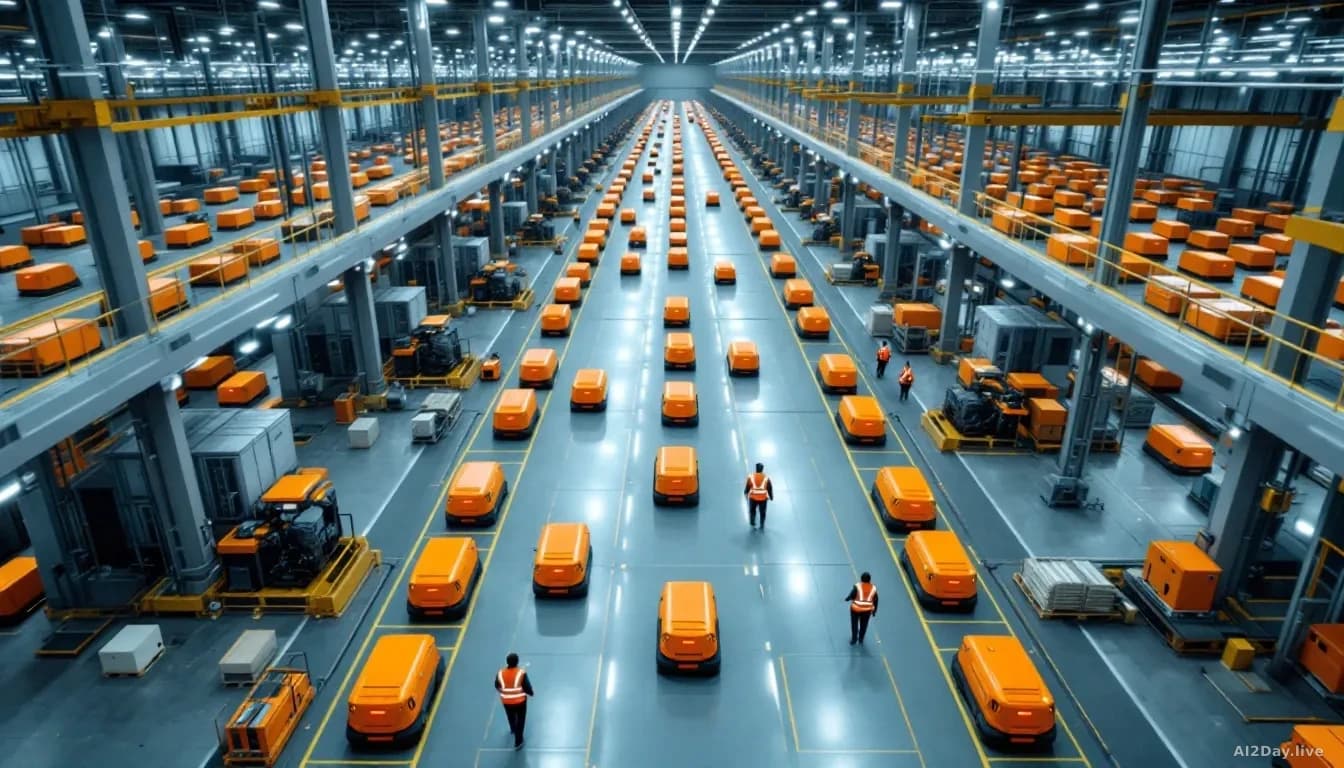
Factory Robots Don't Have a Data Problem. They Have a Deployment Problem.
Inbolt's CEO says physical AI is already working on real production lines at Ford, Toyota, and Stellantis. The barrier isn't more data. It's getting robots out of the lab and onto the factory floor without months of costly setup.
Key points
- Inbolt has deployed vision-guided robot control across more than 100 factories and logged over 40 million robot cycles in production.
- The company, founded in 2019, has raised €20 million (about $23.2 million) from investors.
- CEO Rudy Cohen argues the real bottleneck in physical AI is not data collection but the time and cost of installing systems on real factory floors.
- Cohen will make this case at RoboBusiness on 20 October 2026 in Santa Clara, California.
- Production data from Stellantis, Toyota, and Ford lines will support the argument that physical AI already pays off commercially.
The popular argument inside AI research circles goes like this: robots will get smarter when they get more data and better training. That argument makes sense in a university lab. Rudy Cohen, co-founder and CEO of robotics startup Inbolt, says it is the wrong argument for anyone running a factory.
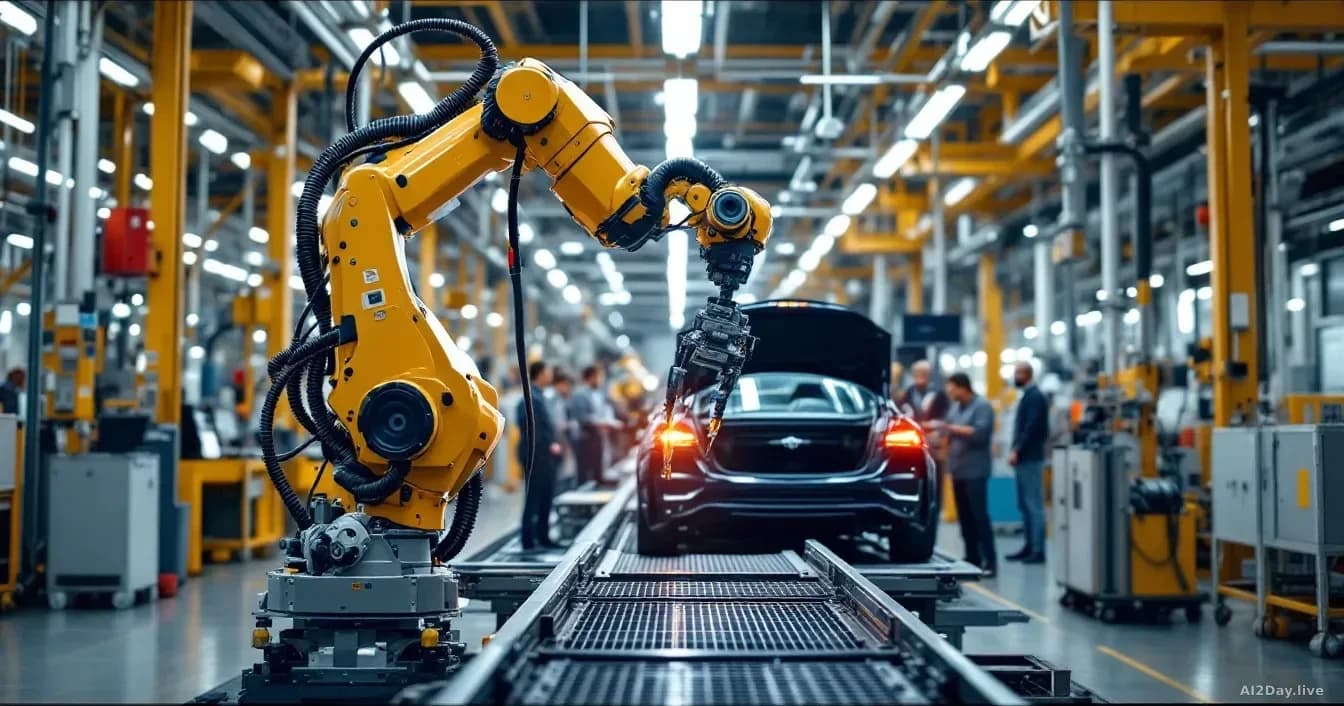
Cohen's company builds a real-time control layer for industrial robots. Most factory robots follow a fixed, pre-programmed path. If a part sits at a slightly different angle on the conveyor belt, the robot misses it. Inbolt's software adds computer vision and AI that watch the part's actual position, then adjust the robot's movement mid-action to compensate. The company calls this "in-hand localisation": the robot determines exactly where a part is even while already reaching for it.
After more than 40 million robot cycles across production lines at Stellantis, Toyota, and Ford, Cohen says the bottleneck he keeps running into is not a shortage of training data. It is the months of wiring, fixtures, and integration work that turn every new robot deployment into a six-figure project before it even switches on.
So what is actually slowing factory robots down?
Deployment cost and complexity are the real barriers, not model size. Cohen says closing the feedback loop between what a robot sees and what it does, at the speed servo motors operate, matters far more than training bigger AI models. It's a point worth sitting with: the sensing argument is not unique to Inbolt. When we covered Lyte AI's $165 million raise on 4 September 2026, that company made a near-identical case, arguing robots have a sensing problem, not a model problem.
Cohen will lay out his argument in a talk titled "Physical AI Doesn't Have a Data Problem; It Has a Deployment Problem" at RoboBusiness, the commercial robotics conference running 20 to 21 October 2026 in Santa Clara. The session runs at 2:15 p.m. On the first day, as reported by The Robot Report.
Inbolt now operates in more than 100 factories across Europe, the United States, and Japan. The company has raised €20 million (roughly $23.2 million) since its founding in 2019.
What does this mean for ordinary people?
Nothing changes overnight on the shop floor. AI in manufacturing is not waiting for some future breakthrough. It's already running on production lines you've heard of. The question businesses face is how quickly they can install it without the setup cost consuming the benefit.
If you work in manufacturing or operations, the honest read is this: the technology works. The friction is in the rollout, not the research.