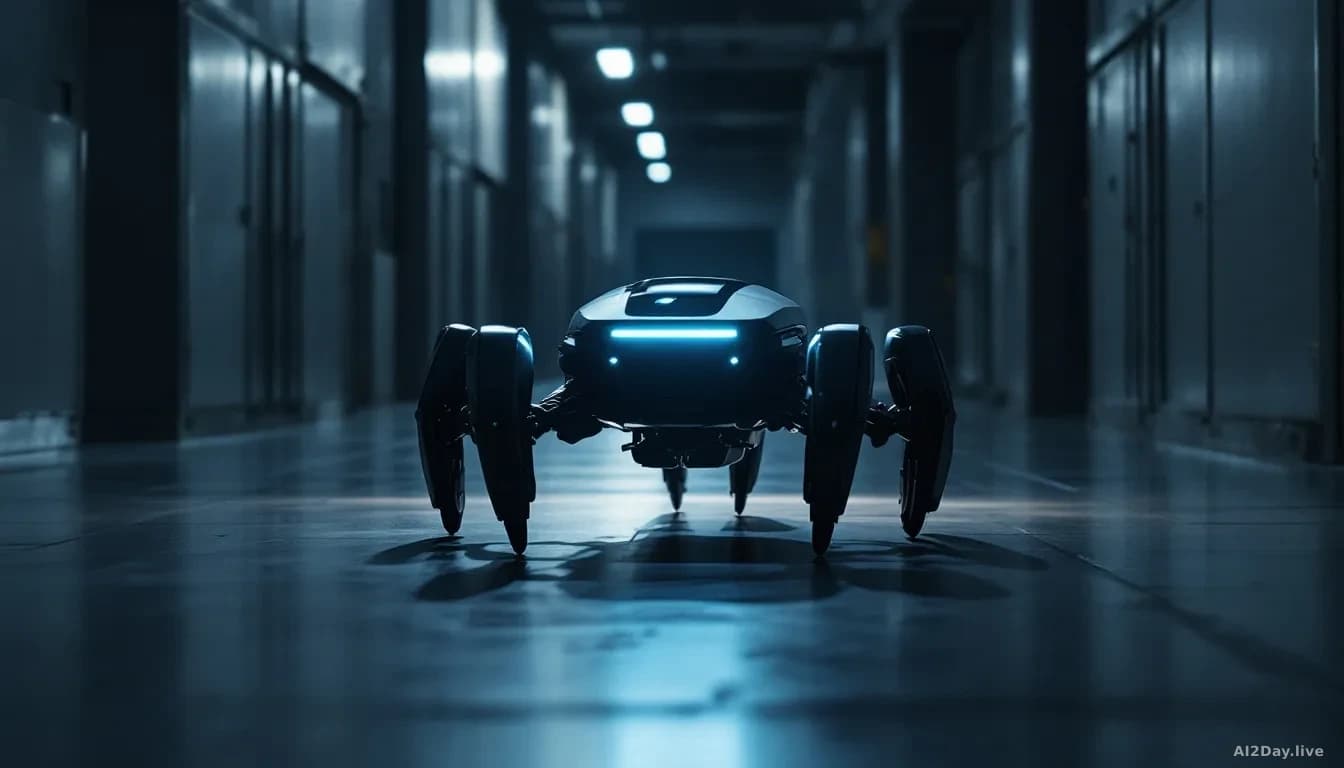
DoorDash becomes one of eight certified drone air carriers in the United States
The food delivery company has cleared a five-stage federal process and launched DoorDash Air, its own in-house drone delivery program.
Key points
- DoorDash received FAA Part 135 air carrier certification in 2025, making it one of only eight drone operators in the country to hold the status.
- The company launched DoorDash Air, an in-house drone delivery program built by its internal robotics team, DoorDash Labs.
- Pilot tests in 2025 showed average drone delivery times of 25 minutes, and some partner locations saw order volume grow by roughly 30%.
- More than 20% of DoorDash orders in 2025 traveled three to five miles, a distance the company says drones can cover faster than human couriers.
- DoorDash plans to share rollout details at its Dash Forward event in September 2025.
DoorDash now has federal permission to fly its own delivery drones commercially. The company earned FAA Part 135 certification, the licence that lets an operator run an air carrier service, whether that means passenger planes or small unmanned aircraft. Only eight drone operators in the country hold it.
What did DoorDash have to prove to get this?
Approval wasn't quick. A DoorDash spokesperson told The Robot Report the process took years and required clearing five separate federal review stages: airworthiness testing, flight operations and maintenance documentation, an FAA-accepted safety management system, a hazardous materials programme, and further checks beyond those. Think of it as a commercial pilot's licence, but for an entire fleet and the company behind it.
Why build its own drones instead of just partnering?
DoorDash already works with Wing, Alphabet's drone delivery subsidiary, for some flights. It's now also building aircraft inside DoorDash Labs, its internal robotics team.
The reasoning is practical. DoorDash wants its routing software, called the Autonomous Delivery Platform, to send each order to whichever method is fastest: a human courier, a ground robot called Dot, a company-built drone, or an autonomous vehicle from a third-party partner. Building its own drones gives it direct control over one piece of that network. The company also plans to design and build its drones in the United States using mostly American-made components.
We covered DoorDash's push into agentic commerce on 16 July 2026, when the company unveiled a tool letting AI agents place food orders without opening an app. The air carrier certification fits the same pattern: owning more of the stack, not less.
What does this mean for the people who actually place orders?
Not much yet. DoorDash hasn't said which cities will get drone service or when.
But the problem drones are meant to solve is real. In 2025, more than 20% of orders covered three to five miles, and those trips took nearly 25% longer than shorter runs because matching a Dasher to a midrange route is slow. Routing those orders to drones frees Dashers to cluster near busy restaurants and complete short deliveries back to back.
Pilot tests suggest the idea holds up. Drone deliveries averaged 25 minutes, some test locations saw order volume climb about 30%, and that lift held for nine weeks after each pilot launched. Faster midrange deliveries likely mean hotter food for customers; for Dashers, fewer long awkward runs could mean more efficient shifts closer to home.
What happens next?
DoorDash says Dash Forward in September 2025 is where it'll share specifics about where DoorDash Air launches. Until then, drone deliveries stay limited to undisclosed pilot areas. The certification itself is already done, and that's the hard part.
Common questions
Do I need to do anything differently to get a drone delivery?
Not based on current information. DoorDash's routing software will automatically assign orders to the best available delivery method, so the choice between a drone and a human courier happens behind the scenes.
Is a delivery drone safe to have flying near my home?
FAA Part 135 certification requires operators to pass strict airworthiness and safety reviews before any commercial flights. The same federal framework that governs small charter airlines applies here.