Construction software giant Procore buys drone-and-robot inspection firm DroneDeploy for $845 million
The deal pairs Procore's project management platform with DroneDeploy's drones, ground robots and cameras to replace manual site inspections with AI that can spot problems and act on them automatically.

Key points
- Procore Technologies agreed to acquire DroneDeploy for approximately $845 million in cash, expected to close later in 2025.
- DroneDeploy's drones, ground robots and cameras have been used on more than 3 million job sites across 180-plus countries.
- The combined dataset will include nearly 400 million construction photos from Procore and roughly 20 trillion square feet of visual site data from DroneDeploy.
- Procore says the deal will let it build AI "digital co-workers" that watch a site, flag problems and take corrective steps without waiting for a human to log in.
A construction worker misses a crack in a foundation. A safety hazard sits unlogged for days. These are the everyday gaps that Procore Technologies is betting $845 million it can close.
Procore, which makes software that construction teams use to manage projects, document decisions and coordinate work, said this week it will buy DroneDeploy, a San Francisco company whose drones, wheeled ground robots and cameras automatically survey building sites and turn the footage into searchable data. The deal was first reported by The Robot Report.
What does DroneDeploy actually do on a job site?
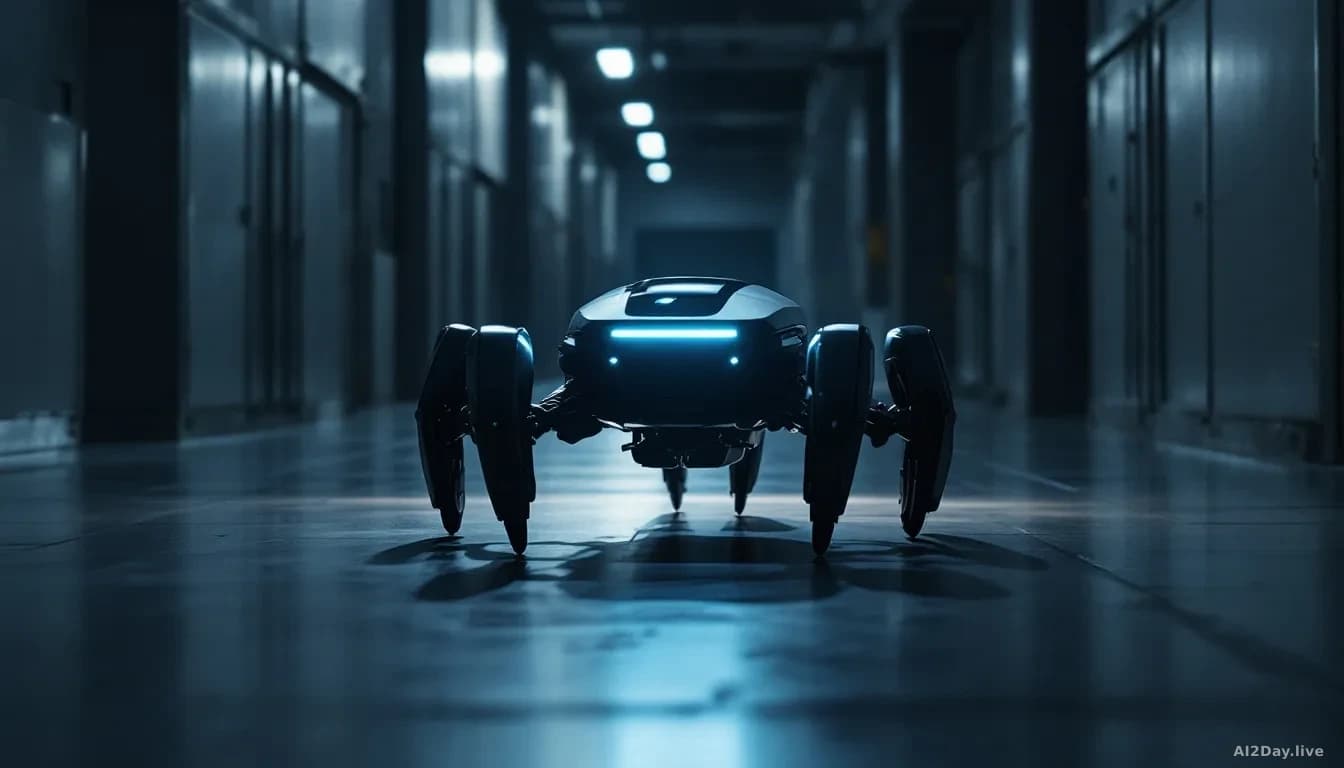
It sends machines to do the looking so humans don't have to. A drone flies overhead and maps the site in three dimensions. A ground robot trundles along floors capturing detail at eye level. Fixed or wearable cameras fill in the gaps.
All that imagery feeds into DroneDeploy's software, which stitches it into a live picture of what the site looks like today compared with what the plans say it should look like. The company calls this "reality capture": a continuous visual record of a physical build. Over its history, it has logged roughly 20 trillion square feet of such imagery and more than 100,000 labeled safety issues flagged by users.
Procore's own platform holds almost 400 million construction photos, more than 126 million drawings, and over 10 million requests for information and inspections from the past year alone. Put the two libraries together and you have what the companies describe as the largest dataset of construction decision-making and physical site reality ever assembled.
What changes for people working on construction sites?
For crews in the field, the pitch is fewer clipboards and fewer surprises. Today, a site manager might walk a floor once a week and manually log what they see inside Procore. Under the combined system, a robot or drone does that walk daily, flags a deviation from the plans, and automatically opens an issue in Procore, complete with photos and location data.
Procore CEO Ajei Gopal described the end goal as "digital co-workers" that track what is happening, make sense of it and then act. That language points toward AI agents, software programs that can carry out multi-step tasks on their own, rather than tools that simply show you a photo and wait for you to decide.
Neither company detailed exactly which tasks those agents will handle first, or gave a timeline beyond saying integration work begins as soon as the deal closes.
What does $845 million buy?
| Asset | Scale |
|---|---|
| DroneDeploy job sites served | 3 million-plus |
| Countries covered | 180-plus |
| DroneDeploy visual data | ~20 trillion sq ft |
| Procore photos on platform | ~400 million |
| Procore drawings on platform | 126 million-plus |
| Deal price | ~$845 million cash |
For Procore, the acquisition is about data as much as hardware. Construction is notoriously slow to digitise. Many issues discovered late in a build cost ten times more to fix than if caught early. A platform that automatically surfaces discrepancies the day they appear has obvious commercial appeal to the general contractors, subcontractors and owners who already pay for Procore.
The transaction still needs regulatory approval and is expected to close before the end of 2025.