China's AI surge is giving Silicon Valley a serious headache
New Chinese models keep punching above their weight, and American tech giants are finding it harder to shrug them off.

Key points
- Chinese AI models have repeatedly matched or beaten leading US products on standard performance tests in 2025.
- Google is facing pressure over AI product struggles at the same time that Chinese rivals are gaining ground.
- Silicon Valley workers are pushing back against company plans to cut jobs through AI automation.
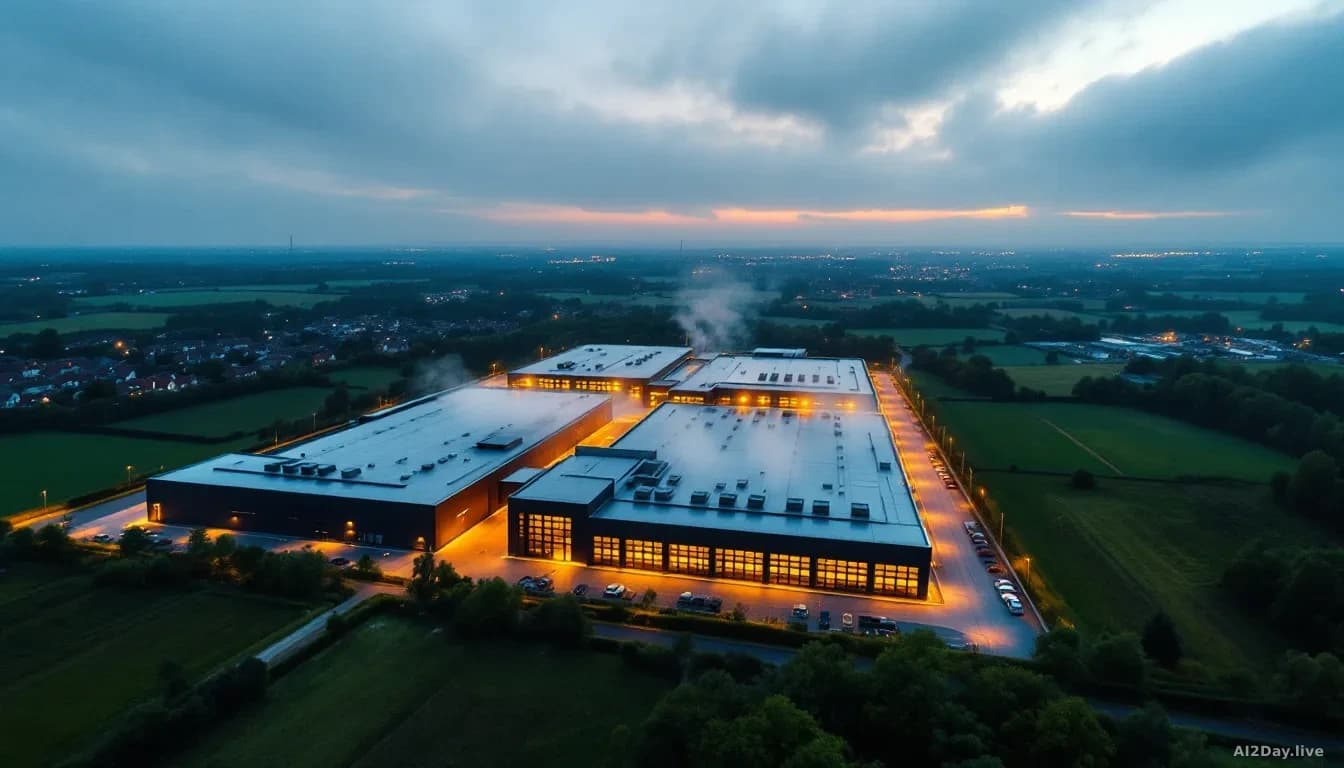
- New York became the first US state to impose a one-year pause on new AI data centres, the giant warehouse-sized buildings that house the computers powering AI systems.
- The US-China AI contest is shaping policy decisions well beyond the tech industry.
For years, American companies told a simple story: the United States leads in artificial intelligence, and everyone else is catching up. That story is getting harder to tell.
A string of new Chinese AI models has rattled the confidence of US tech executives and investors. The pattern keeps repeating. A Chinese lab releases a model, software that can write and reason, and benchmarks (the standardised tests used to compare AI systems) show it trading blows with the best American products. How they got there so fast is the question nobody in Silicon Valley is answering confidently.
Google sits at the centre of some of the anxiety. The company has faced criticism over missteps with its own AI products. We first covered Google's AI stumbles on 18 July 2026, when Google quietly rewrote the rules on how it counts your Gemini usage, leaving users likely to run out of credits faster than before. When the world's search giant stumbles, competitors notice.
Pressure is coming from inside the offices too. Employees at several major tech firms have raised alarms about plans to use AI to automate roles that people currently hold. The concern is practical: if your employer's own AI is the thing most likely to replace you, what does loyalty to that employer actually mean?
Policy is shifting as well. New York State put a one-year freeze on new AI data centre construction in 2025. Data centres are the vast, electricity-hungry buildings packed with specialised computers that run AI software. A building moratorium, a legal pause on new construction, is an unusual move, and it signals that some governments are no longer simply cheering AI growth from the sidelines. Our story on energy IPOs breaking records because AI needs so much power showed just how much electricity appetite is already baked into the industry's expansion plans.
For ordinary people, the consequences are real. If competition between US and Chinese labs drives prices down, users of AI tools benefit. If the race pushes companies to cut corners on safety or accuracy to ship faster, that's the opposite.
The job question matters most immediately. AI automating tasks doesn't always mean mass layoffs overnight. It often means companies hire fewer new people, ask existing staff to do more, or restructure teams quietly over months. Watching how your employer talks about AI investment is more useful than watching any single headline.
What should workers actually do?
The most practical step is to understand which parts of your job involve repetitive, predictable tasks, because those are the ones AI handles first. Roles that need physical presence, human judgment in unpredictable situations, or relationship-building are far more resistant. Building those skills now is more durable than chasing any single technology trend.
The honest read on this moment: the US-China AI gap is narrowing faster than most American executives will admit publicly, and the workers feeling it first aren't the ones writing the press releases.