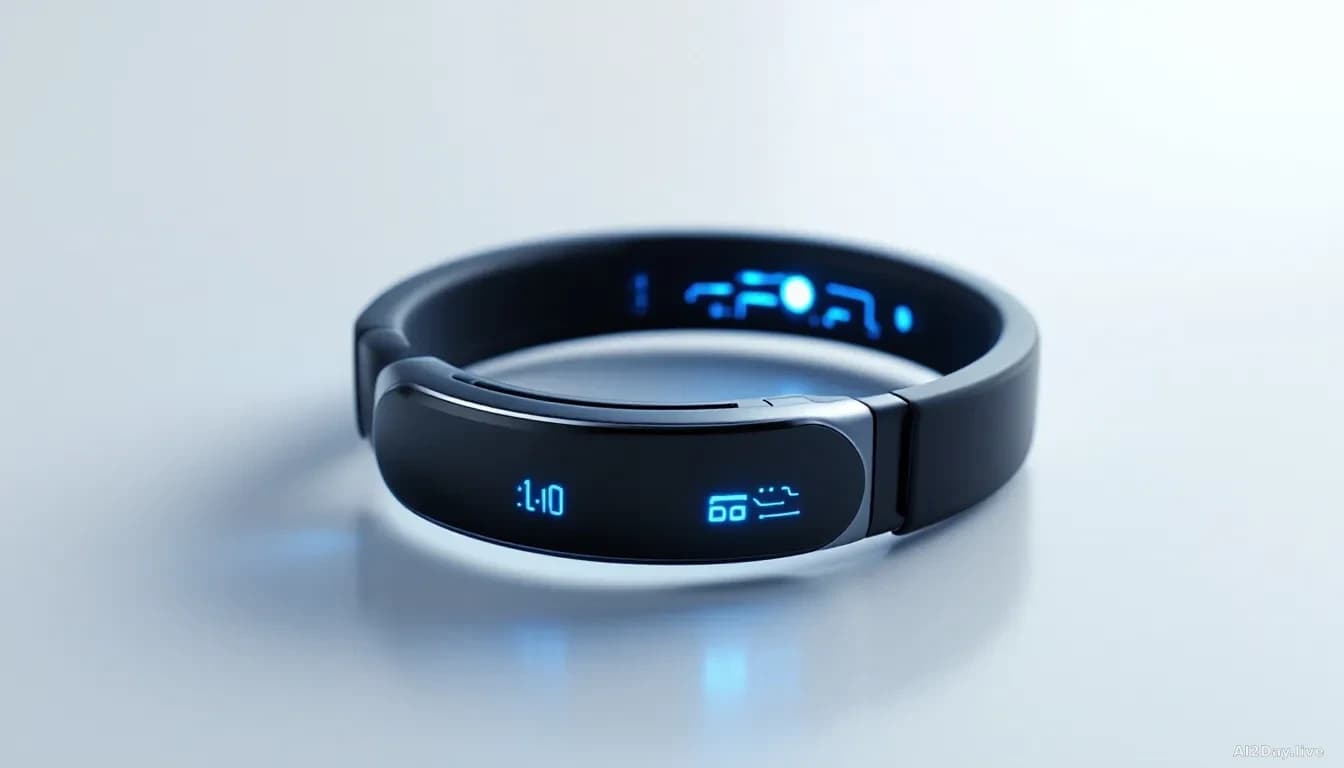
Apple's Health App Will Now Tell You Your 'Health Age' and How Ready Your Body Is Today
A revamped Apple Health app uses Apple's on-device AI to turn your watch and phone data into a single readiness score, a biological age estimate, and personalised coaching tips.

Key points
- Apple announced a redesigned Health app alongside the Apple Watch Series 12 and Ultra 4 at its June 2025 event.
- A new "Health Age" figure compares your body's metrics, including VO2 max (a measure of cardiovascular fitness) and sleep quality, against your actual age.
- A new Longevity tab tracks sleep, movement, and heart health across time and can pull in lab results.
- Apple partnered with Quest Diagnostics to offer a 50-biomarker blood panel for $119, giving users lab data they can feed directly into the app.
- The updated app rolls out later in 2025, initially in US English only.
Apple's Health app is getting its biggest update in years. Reported first by TechCrunch AI, the redesign sits at the centre of Apple's push to turn your iPhone and Apple Watch into something closer to a personal health adviser.
The headline feature is Health Age: a single number that tells you whether your body is performing older or younger than you actually are. The app calculates it using metrics your watch already tracks, things like VO2 max (how efficiently your body uses oxygen during exercise), sleep patterns, and biomarkers from blood tests.
What does the app actually do with all this?
It organises your data into two new sections. An Insights tab surfaces the most timely information first, much like a news feed but for your body, and offers personalised suggestions. The second addition is a Longevity tab, which scores your health across sleep, movement, heart health, and related areas over time.
The app can also accept your lab results and fold them into its recommendations. Apple announced a deal with Quest Diagnostics, one of the largest US blood-testing companies, to make this practical: a 50-biomarker blood panel (a test that measures 50 different substances in your blood) will be available for $119 and feeds straight into the app.
On top of that, a daily readiness score tells you how well recovered and prepared your body is right now, similar to what fitness wearables like Whoop and Garmin already offer but built into the Apple ecosystem.
Will this replace seeing a doctor?
No, and Apple is not claiming it will. The tools are designed to flag trends and suggest adjustments, not diagnose illness. Think of it as a nudge layer: the app might notice your cardio metrics are slipping and suggest adding short, faster intervals to your morning run. It will also walk you through movement assessments, guided by a trainer demonstration on screen, which could be useful for people recovering from an injury or managing age-related mobility changes.
Apple calls this on-device processing Apple Intelligence, its term for AI features that run on your own device rather than sending your data to a server.
| Feature | What it does | Data source |
|---|---|---|
| Health Age | Estimates biological vs. actual age | Watch sensors, blood biomarkers |
| Readiness Score | Daily recovery and preparedness rating | Watch, sleep data |
| Longevity Tab | Long-term health trend tracking | Watch, iPhone, lab results |
| Quest Panel | 50-biomarker blood test | Lab, $119 out-of-pocket |
| Movement Assessment | Guided mobility check with trainer demo | Camera, watch sensors |
Common questions
Do I need an Apple Watch to use these features?
Most of the new features, especially the readiness score and Health Age, rely on data your Apple Watch collects. iPhone-only users will get limited access.
When can I use the new Health app?
Apple says the update rolls out later in 2025, starting in US English. No firm date has been given yet.
Is the $119 Quest blood panel covered by insurance?
Apple has not announced any insurance partnerships. At launch, the panel appears to be a direct, out-of-pocket purchase.