AGIBOT launches four robots at WAIC 2026, including a humanoid built for eight-hour shifts
The Shanghai company says its newest machines are ready for factories, service desks, and classrooms, not just one-off demos. What each one does, and why that distinction is harder to prove than it sounds.
Key points
- AGIBOT unveiled four new robots at the World Artificial Intelligence Conference in Shanghai in July 2026.
- The company produced its 15,000th robot last month, according to its own figures.
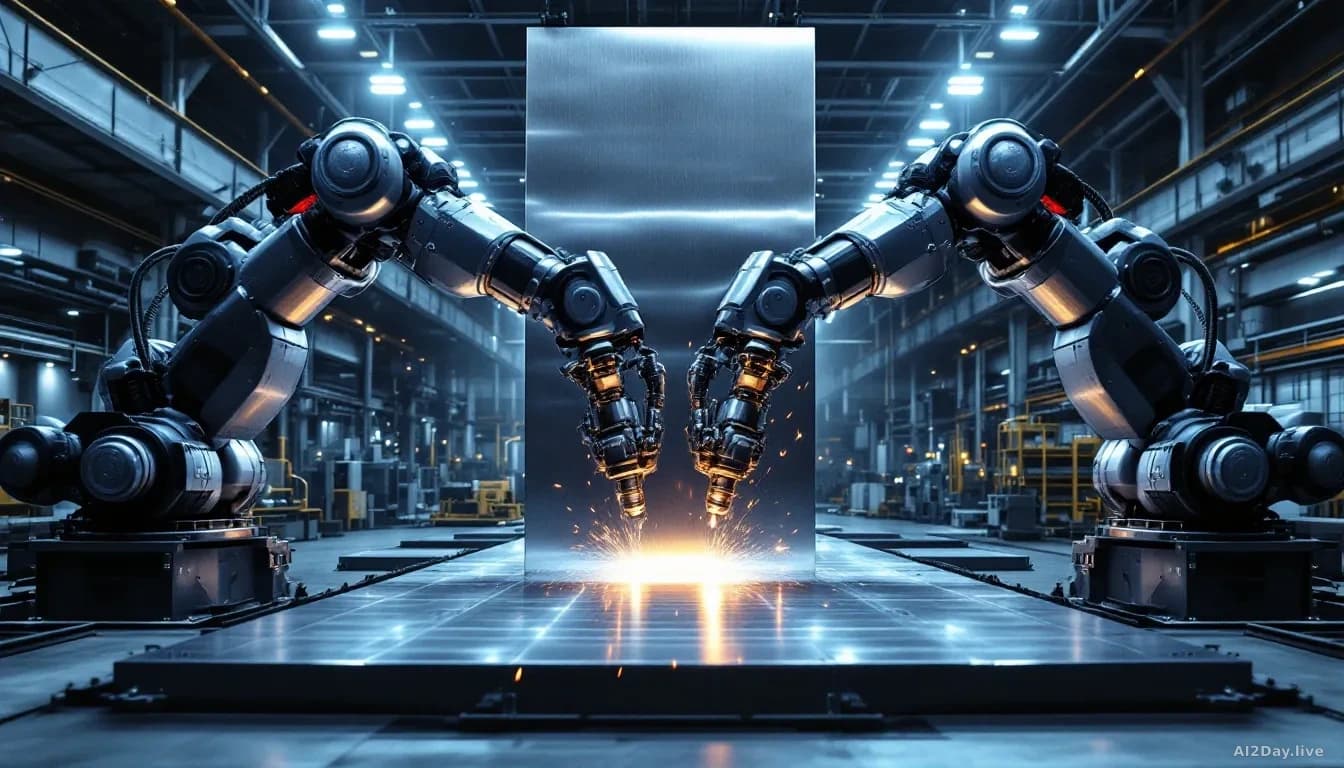
- At Longcheer Technology's factory in Nanchang, China, AGIBOT's G2 robots have inspected roughly 3,000 tablet units per shift over more than 64 hours of cumulative continuous operation.
- The flagship A3 Ultra humanoid stands 1.74 metres tall and is rated for up to eight hours of operation before recharging or battery swap.
- AGIBOT was founded in 2023 and also operates under the name Zhiyuan New Technology Co.
A robot that dances beautifully for a crowd and a robot that shows up every morning to sort tablets on a factory floor are two very different machines. AGIBOT, a Shanghai-based robotics company, is betting its future on the second kind.
At the World Artificial Intelligence Conference (WAIC), the company on Tuesday launched four products designed for sustained work rather than polished stage appearances. More than 30 AGIBOT machines also ran across the conference venues, handling visitor guidance and information services throughout the event.
"The industry should no longer judge embodied AI by whether a robot can complete an impressive demonstration once, but by whether it can be manufactured, delivered and integrated reliably into real operating environments," said Peng Zhihui, AGIBOT's co-founder, president and chief technology officer.
What does each new robot actually do?
The A3 Ultra is AGIBOT's flagship humanoid, built for long shifts in public and commercial spaces. Standing 1.74 metres tall and weighing 60 kilograms, it carries up to 5 kilograms per arm and runs for up to eight hours before needing a charge or a fresh battery. It navigates independently using 3D lidar, multiple camera types and positioning systems, with high-level AI processing handled by an NVIDIA Thor chip.
The G2 Max is a wheeled industrial robot with force-controlled arms, meaning it can sense how hard it's gripping or pushing and adjust in real time. That matters when you're handling fragile components on a production line alongside existing factory equipment.
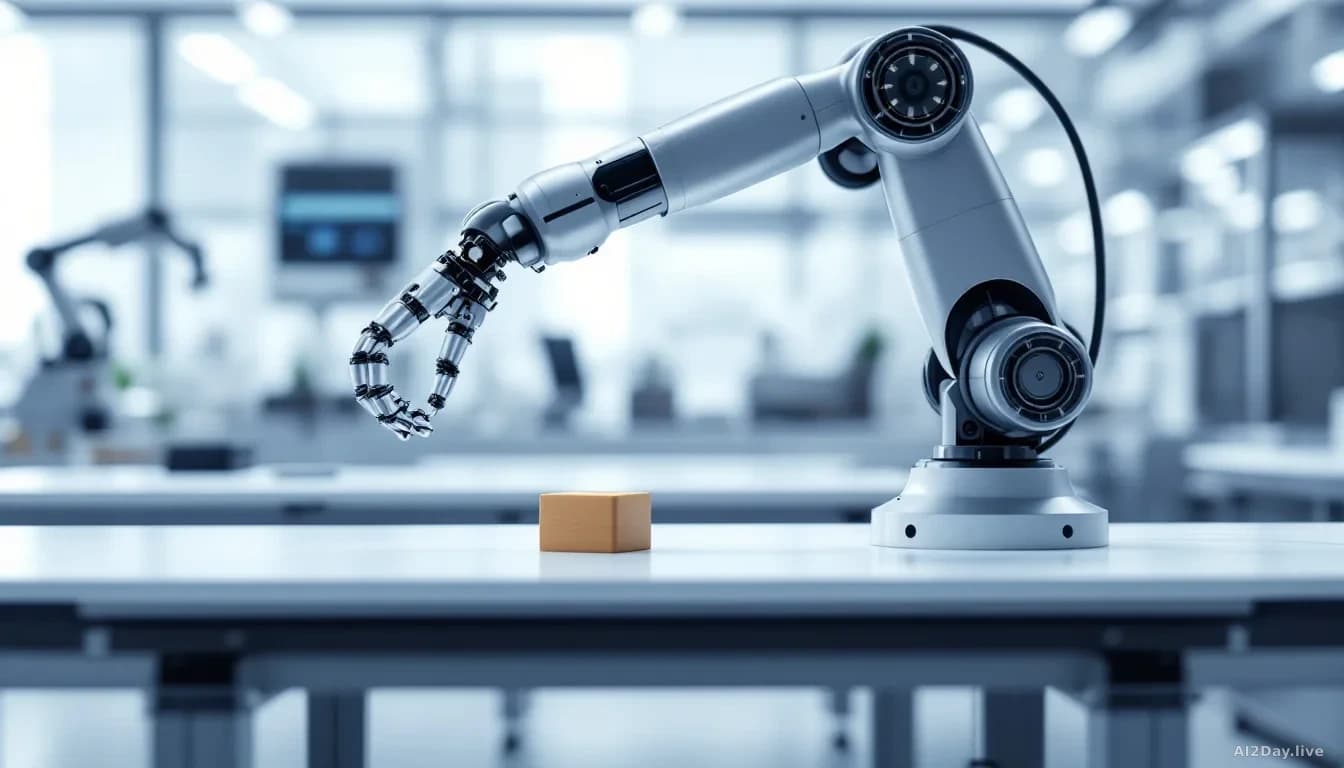
The OmniHand 3 Ultra-M is an artificial hand weighing 630 grams, with 20 independently moving joints. Fingertip sensors detect pressure and contact. It opens or closes in 0.3 seconds and repeats precise movements to within 0.2 millimetres.
The X2 EDU is a smaller, 1.3-metre humanoid for schools and research labs. Its fully modular design means students can disassemble and reconfigure it across the hardware chain.
Does the factory evidence hold up?
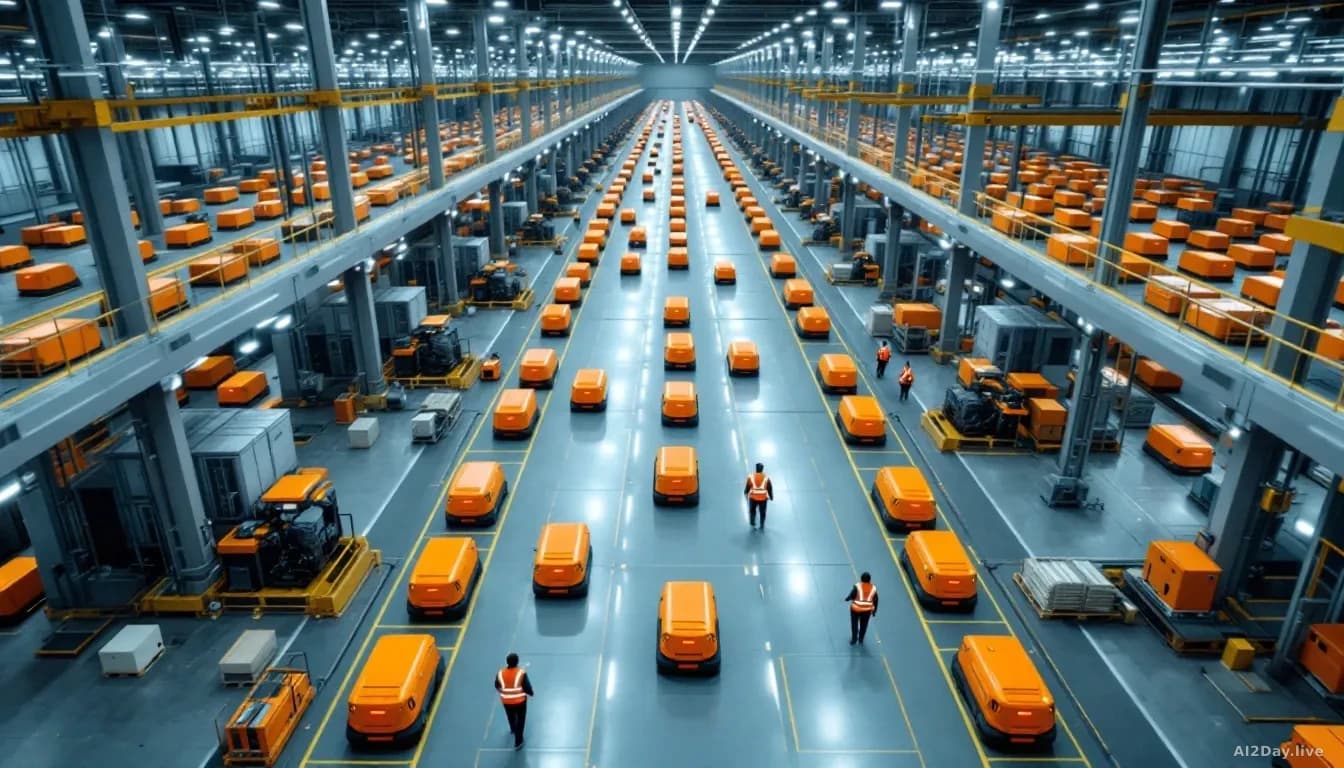
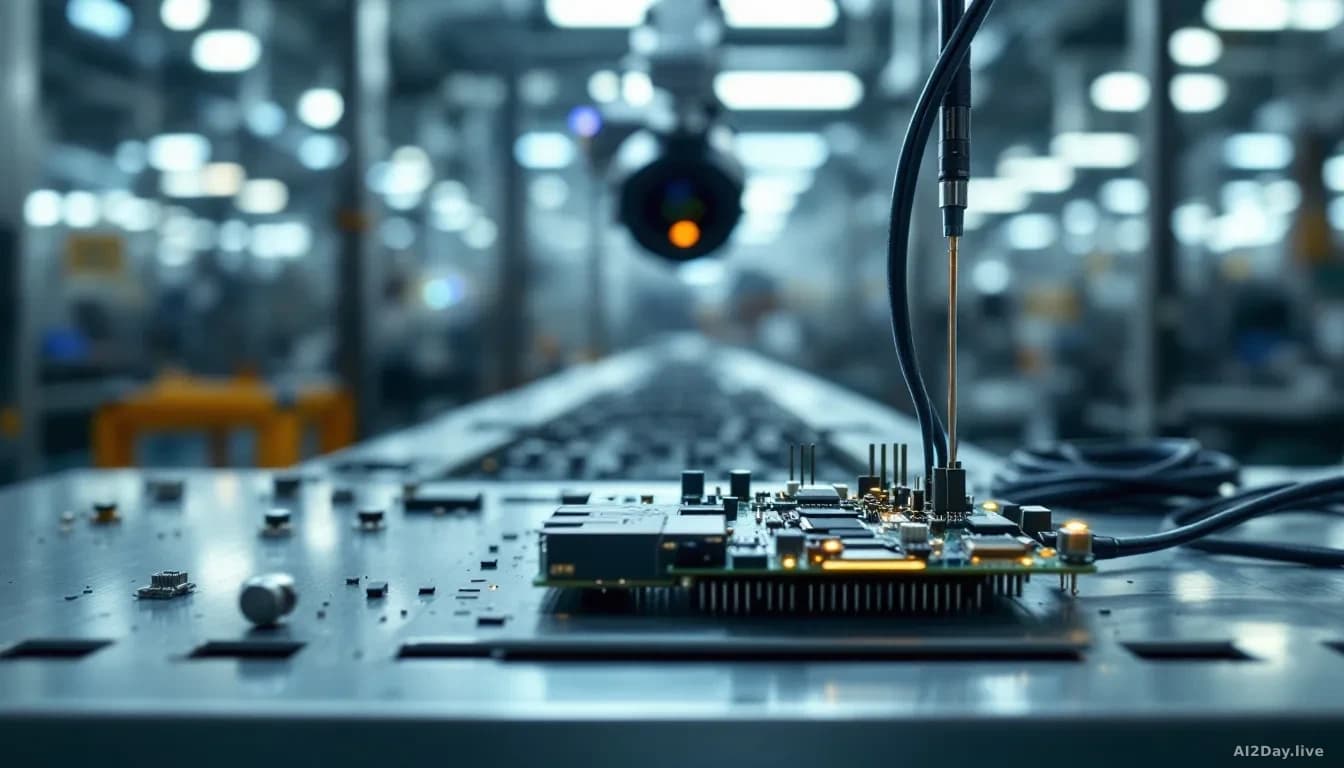
AGIBOT's most concrete claim comes from Longcheer Technology's plant in Nanchang. G2 robots handle a closed-loop quality-inspection workflow for tablets: collecting items, placing them precisely, interfacing with testing equipment and returning finished products. The company says setup took 36 hours, downtime stays below four percent, and the system inspects around 3,000 units per shift over more than 64 hours of cumulative continuous operation.
These figures are AGIBOT's own and haven't been independently verified. That's worth keeping in mind, particularly given the concerns our earlier story on European robot safety standards found about Chinese suppliers' readiness for third-party scrutiny, reported on 13 July 2026.
The honest answer is that AGIBOT's factory numbers are plausible but unconfirmed. If they hold under external scrutiny, a robot that runs an eight-hour inspection shift alongside human colleagues starts to look like a practical tool. If they don't, this is a well-staged press event. The difference matters most to the workers whose jobs sit closest to these machines.