A robot data startup worth $1.2 billion emerged from obscurity three months ago. Here's what it actually does.
XDOF collects real-world movement data so robots can learn to fold clothes and stack boxes. Investors are now racing to back it at a valuation most startups never reach.
Key points
- XDOF is in late-stage talks to raise a Series B at a valuation of roughly $1.2 billion, led by investment firm 8VC.
- The startup left stealth mode less than three months ago and raised a $70 million Series A in June 2024 with backing from Andreessen Horowitz, Thrive Capital, Lux and Spark Capital.
- XDOF's annualised revenue is approaching $50 million, a figure investors say prompted the new funding approach.
- The company already counts 20 customers, including several frontier AI labs, the large research organisations building the most advanced AI systems.
- XDOF is partnering with UC Berkeley's AI Research lab to release what it calls the largest collection of high-quality robot training data ever assembled.
A startup that most people had never heard of three months ago is now in talks to be valued at $1.2 billion. First reported by TechCrunch AI, the deal would see venture firm 8VC lead a fresh funding round for XDOF, a company that trains robots by filming humans doing everyday tasks.
What does XDOF actually do?
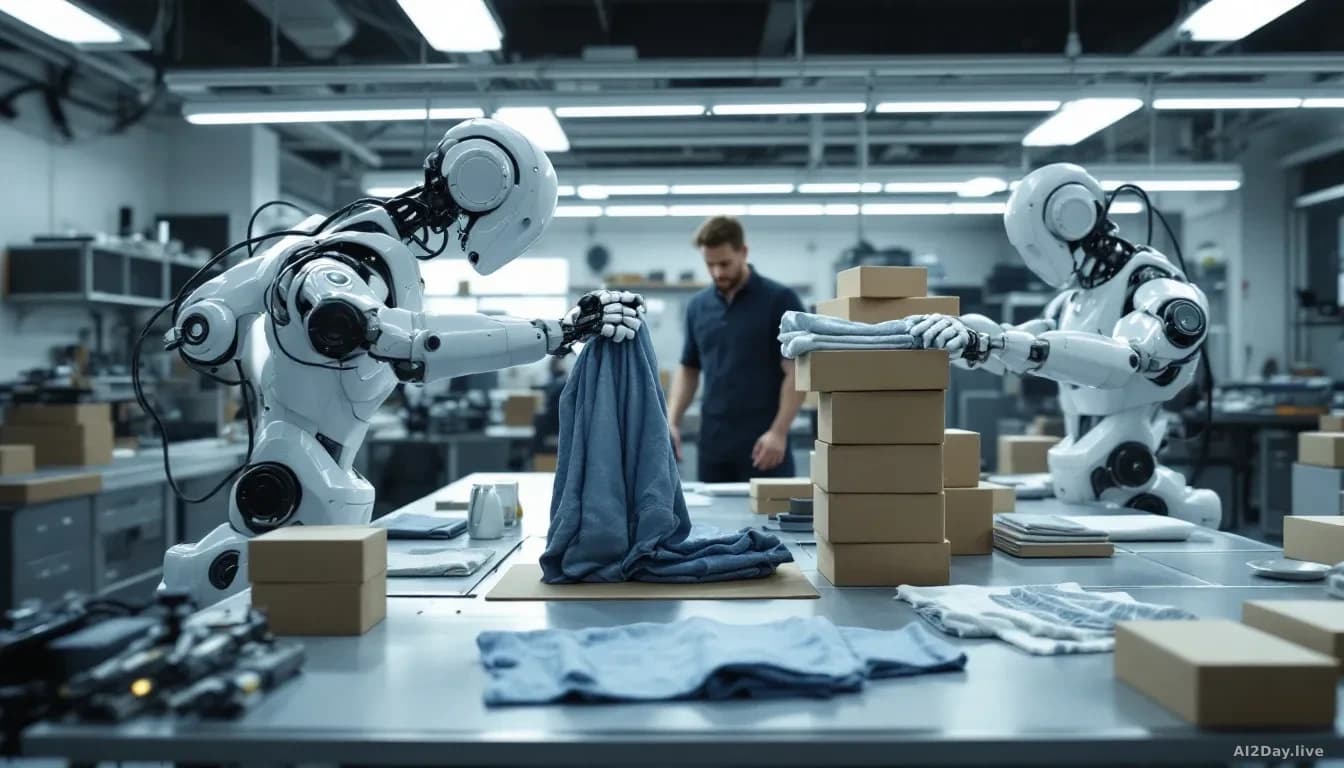
XDOF sells something robots desperately need: real-world examples of how to move. Think of it as a school for robot arms, except the lessons come from watching people fold laundry and flatten cardboard boxes.
Large language models, the text-processing technology behind chatbots like ChatGPT, learned by reading most of the internet. Physical robots have no equivalent library. Someone has to go out and collect that data by hand, literally.
XDOF does this two ways. Some workers wear body sensors that record their movements during everyday tasks. Others sit at computers and use teleoperation, a system that lets a human steer a robot arm from a distance the way a remote-controlled car works, generating footage the robot can later learn from. That data gets packaged, labelled and sold to AI labs and robotics companies that couldn't build this supply chain cheaply themselves.
Why is it worth $1.2 billion already?
Revenue. XDOF's annualised revenue is approaching $50 million, and the company wasn't even planning to raise again this soon. Investors came to them.
Co-founders Philipp Wu (CEO) and Fred Shentu (CTO) met as PhD researchers at UC Berkeley, where Wu was studying how robots learn from large datasets. The problem, he told TechCrunch in June, was a lack of large-scale data to work with. Their early project, a low-cost remote-control system for robot arms called GELLO, produced an influential research paper and eventually became the foundation for XDOF, launched in 2024.
Investors now compare the startup to Scale AI, the data-labelling company that helped fuel the AI boom by paying humans to tag images and text so AI systems could learn from them. We covered the wider investment surge into physical AI on 26 August, when our reporting found that developers still admit their robots are stuck in an early, limited era.
| Round | Date | Amount | Key investors |
|---|---|---|---|
| Series A | June 2024 | $70 million | Andreessen Horowitz, Thrive Capital, Lux, Spark Capital |
| Series B (talks) | Late 2024 | Undisclosed | 8VC (lead) |
What does this mean for ordinary people?
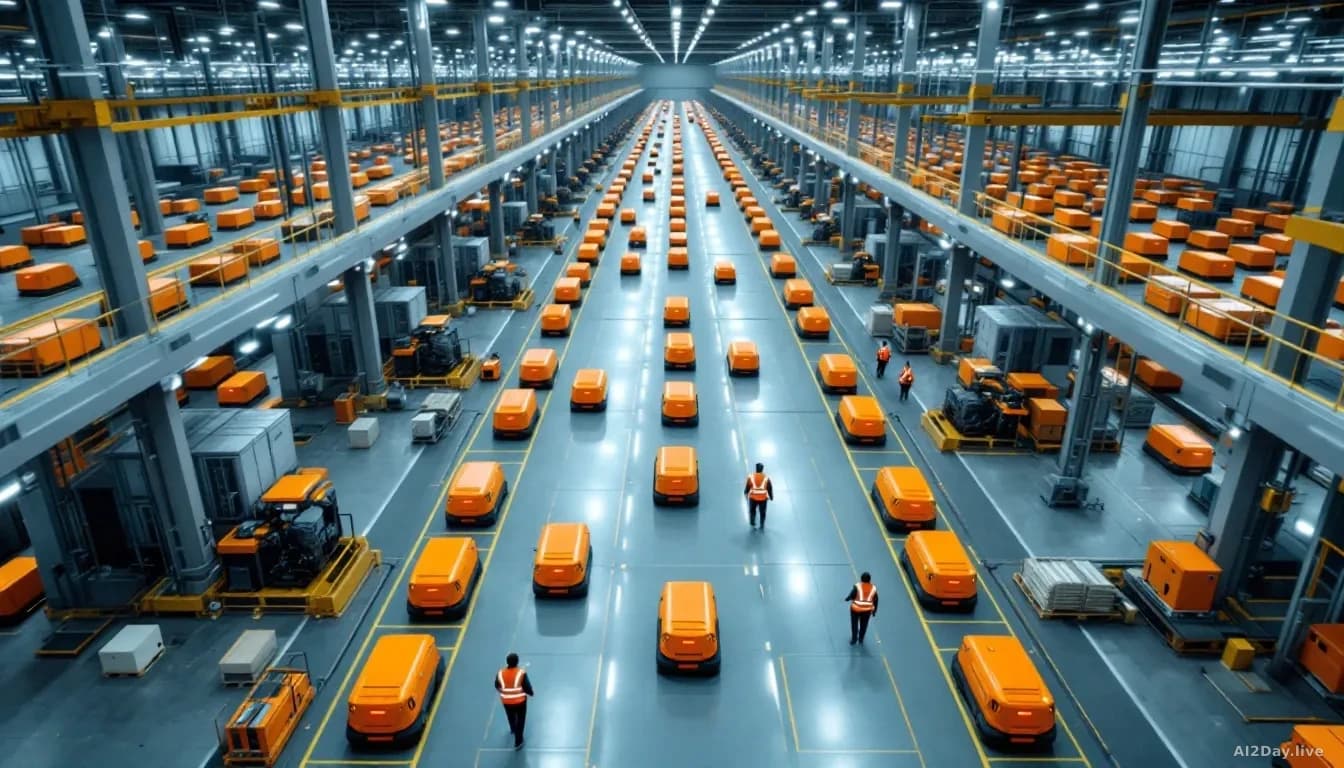
Not much changes in your daily life right now. But the companies buying XDOF's data are building robots they hope will eventually work in warehouses and homes.
For workers in those settings, the honest picture is mixed. Better-trained robots can handle repetitive or physically punishing tasks, which can be a relief. They can also replace roles. Which outcome wins depends heavily on how companies choose to deploy them, not on the technology alone.
Survivorship bias is worth naming: XDOF is a rare company with real revenue at this stage. Most robotics startups aren't. A $1.2 billion valuation in late-stage talks isn't a confirmed deal, and TechCrunch notes the terms could still change.
The one doable takeaway: if you work in data collection or quality review, the robotics industry is actively hiring people to do exactly that work, worldwide, right now.