A New York school district just hit pause on its robot teacher plan
One district wanted to put a humanoid android in front of students. Parents and researchers have questions.
Key points
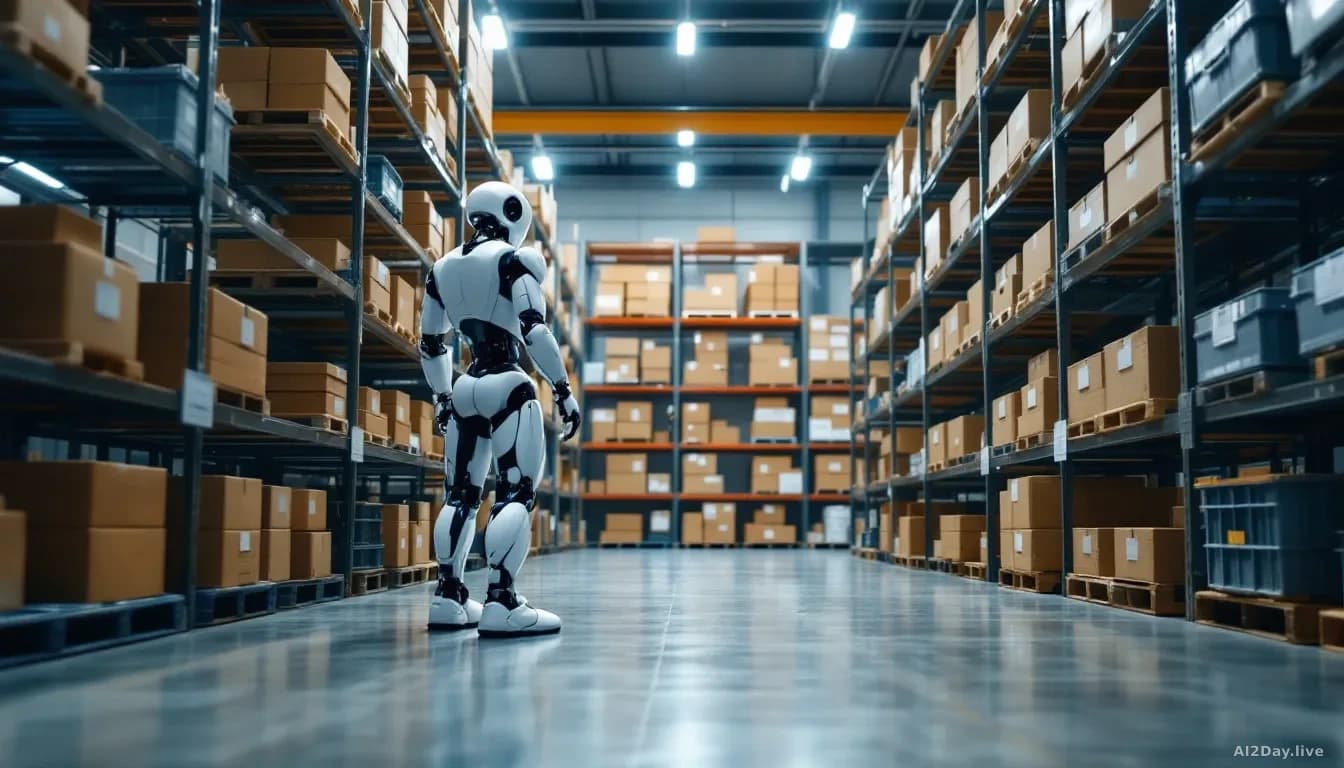
- A New York school district has paused plans to place a humanoid robot, a machine built to look and move like a person, in a classroom.
- No peer-reviewed evidence shows that android teachers improve learning outcomes for children.
- Child development specialists argue that early education depends on human connection, not just curriculum delivery.
- Regulation hasn't caught up with the technology, and that gap is itself part of the concern.
A school district in New York has put the brakes on a plan to introduce a humanoid robot, a machine designed to look and move like a human being, as a classroom teacher. The Guardian reported the story as a window into a much larger debate. The district hasn't said whether the plan will move forward at all.
We first covered robot teachers on 1 August 2026, in the same week our reporting on US humanoid robot policy found that even national security regulators are struggling to keep pace with how fast these machines are developing.
What would a robot teacher actually do?
The proposal involved an android standing at the front of a classroom and leading lessons. Supporters argue such a machine could offer consistent, patient instruction. It'd never have a bad day or lose its temper.
Sceptics point out that teaching isn't just information delivery. A good teacher reads the room, notices the child in the third row who's gone quiet, and adjusts on the spot. Sophisticated as they are, today's robots don't reliably do that.
Should parents be worried?
Not in the way the headlines suggest. This was one district, one paused proposal. No child in New York is currently being taught by a robot.
What the story does flag is that schools and technology companies are exploring this space faster than research or regulation can follow. Child development specialists have long argued that early education is as much about human connection as curriculum content. Replacing a human teacher with a machine, rather than supporting one, raises real questions about what children actually need.
There's a practical concern too. Any new teacher, human or machine, has to earn a room's trust. That's harder than it sounds, and kids are rarely cooperative subjects for untested technology.
What does the evidence say?
Very little, so far. Small studies suggest robots can help children with specific tasks, such as practising a second language or supporting autistic children in structured exercises. Those are controlled settings with small trial sizes, not full classrooms. No large-scale, peer-reviewed study has shown that a humanoid android can replace a qualified teacher without measurable cost to learning or wellbeing.
Until that evidence exists, proposals like this one deserve to be treated as experiments, not solutions.
What happens next?
The New York district hasn't set a date to revisit the plan. Other districts, companies and governments will keep pushing similar ideas regardless. The conversation about AI in schools isn't going away.
For parents, the most useful move right now is to put direct questions to your school board: what technology is being trialled, who approved it, and what independent evidence supports it? Demand straight answers.
Common questions
Are robot teachers already being used anywhere?
Small pilot programmes using robots to assist teachers have run in parts of Asia and Europe, mostly in language learning and STEM subjects. None has replaced a qualified human teacher full-time in a mainstream classroom.
Is this legal?
No specific US law blocks a school from using a robot in a teaching role. Regulation hasn't caught up with the technology, which is itself part of the concern.
What should I do if my child's school proposes something like this?
Ask for the evidence base, the trial design, and whether independent researchers assessed the results rather than the company selling the robot. You have every right to those answers before any trial begins.