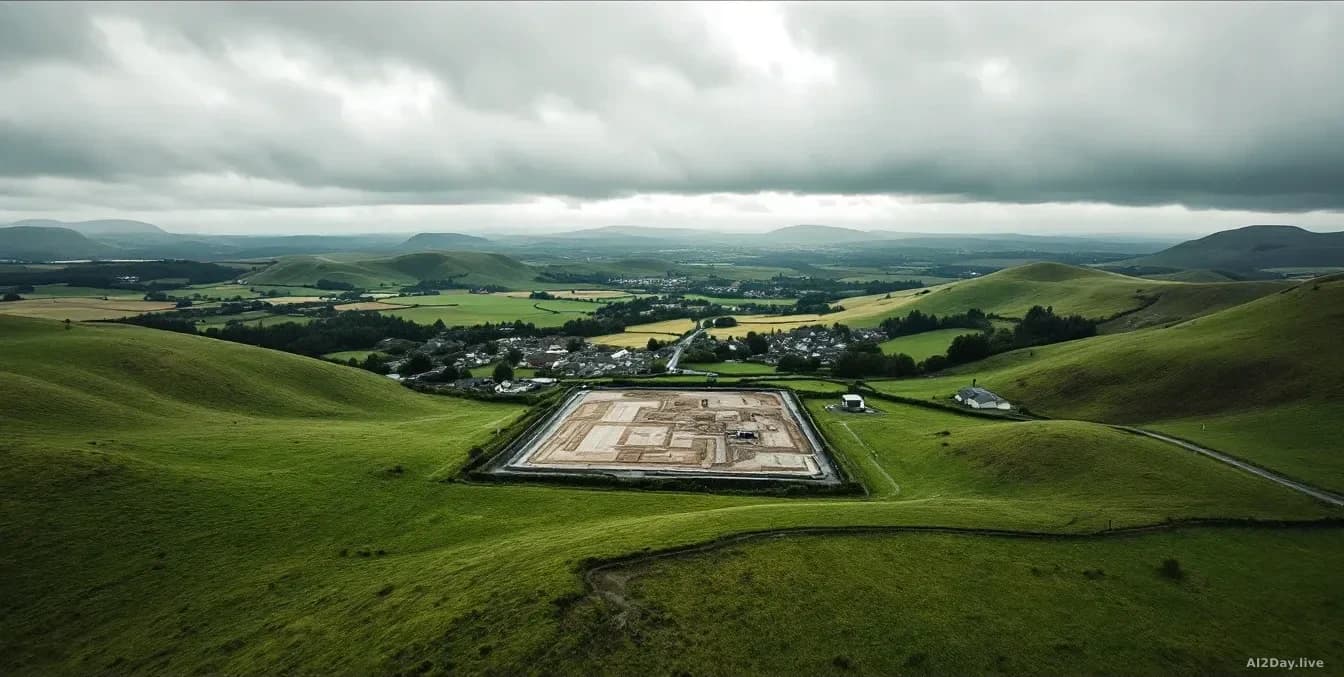
A mega data centre planned for outer Melbourne would be almost six times the size of Chadstone shopping centre
More than 3,600 residents have signed a petition asking for a careful look at a proposed AI data centre in suburban Melbourne. The project has become a flashpoint in a national argument about whether Australia is building too many of these facilities, too fast.

Key points
- More than 3,600 people have signed a petition calling for a thorough assessment of a proposed AI data centre near Melbourne.
- The facility is planned by Syncline Energy and would be almost six times the floor area of Chadstone shopping centre, one of Australia's largest malls.
- Residents first learned of the project through a letterbox drop from the developer.
- The proposal has become a focal point in a broader national debate about a wave of large data centre construction across Australia.
For many people in the affected suburb, the news arrived the old-fashioned way: a letter in the letterbox.
The note introduced itself as a "friendly introduction from the team behind the Victorian AI hub." Syncline Energy signed it, and promised door-knocking to explain the plan and, the letter said, to listen.
What Syncline has in mind is enormous. The proposed facility, a data centre (a large warehouse filled with computers that store and process information for AI systems and cloud services), would cover an area almost six times the size of Chadstone shopping centre, one of the biggest retail complexes in the country.
Why are so many residents pushing back?
More than 3,600 people have put their names to a petition asking authorities to assess the project carefully before any approval is granted. That level of local opposition, gathered quickly, signals how much anxiety surrounds the proposal.
Data centres of this scale bring real trade-offs for host communities. They consume large amounts of electricity and water for cooling, generate years of construction traffic and noise, and once built tend to create modest numbers of jobs because the facilities run largely on automated systems. For residents near this Melbourne site, the sheer physical scale makes those concerns feel urgent and concrete.
What does this mean for ordinary Australians?
The Melbourne project isn't an isolated case. It's become, as first reported by The Guardian, a symbol of a national boom in data centre construction driven by demand for AI computing power. We reported in July that Australia's Prime Minister has pledged fast-track approvals for exactly these facilities, with policy experts warning accountability guardrails haven't kept pace.
Federal and state governments have broadly welcomed that investment, framing large-scale computing infrastructure as essential to the country's economic future. But the wave of proposals is now colliding with local planning systems and community groups that weren't built to handle projects of this size or speed.
| Factor | Detail |
|---|---|
| Developer | Syncline Energy |
| Location | Outer Melbourne, Victoria |
| Proposed size | Almost 6x the floor area of Chadstone shopping centre |
| Petition signatures | More than 3,600 |
| Community notice method | Letterbox drop by developer |
For people living near proposed sites: check your local council's planning notices, and find out whether an environmental impact assessment, a formal government study of a project's effects, has been required. Petitions matter, but formal submissions to planning authorities carry more legal weight.
What strikes me most about this story is how little the scale of these proposals matches the local notice given. A facility six times the size of Chadstone, announced by letterbox drop, was always going to produce exactly this reaction.
Common questions
What is a data centre and why does AI need so many of them?
A data centre is a large building packed with computer servers. AI tools like chatbots and image generators need enormous amounts of computing power to run, and that power lives in facilities like these.
Does signing a petition actually stop a project like this?
A petition signals community concern but doesn't carry legal force on its own. Formal submissions to planning authorities during an official review period carry more weight and can require a developer to address specific concerns.