The Robot That Packs Your Sports Gear: How Comau Built an AI Warehouse System for Decathlon
An Italian robotics company has tested a flexible picking-and-packing robot inside one of the world's biggest sports retailers, and the results could reshape how your online order gets fulfilled.
Key points
- Comau, a robotics firm based in Turin, Italy, has designed and validated an automated order-preparation system tested inside Decathlon's e-commerce fulfilment centres.
- The system uses Comau's MyCo cobot, a collaborative robot (one designed to work safely alongside people rather than in a fenced-off cage) running on open-source robotics software called ROS 2.
- The project is part of MASTERLY, a European Union initiative pushing warehouses toward flexible, made-to-order production instead of fixed assembly lines.
- Key partners include Decathlon, Genoa-based systems integrator STAM, and the broader MASTERLY technology consortium.
- Comau says the technology will feed directly into its wider warehouse automation product range.
When you order a pair of trainers from Decathlon at midnight, a human being somewhere has to find them, pack them up, and get the box onto a pallet. It's repetitive, physically punishing work, and it's increasingly difficult to staff at scale. Comau thinks a robot can do it better, and it now has real-world evidence.
What did Comau actually build?
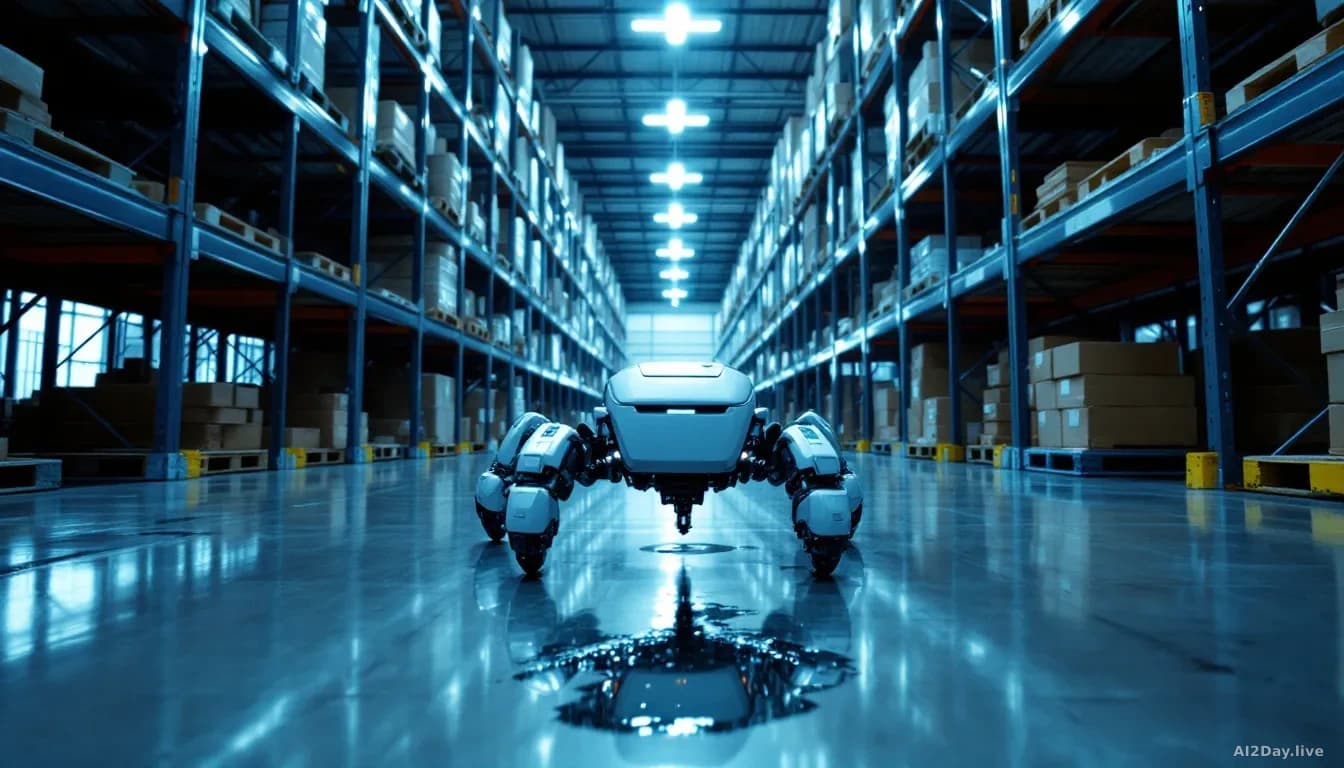
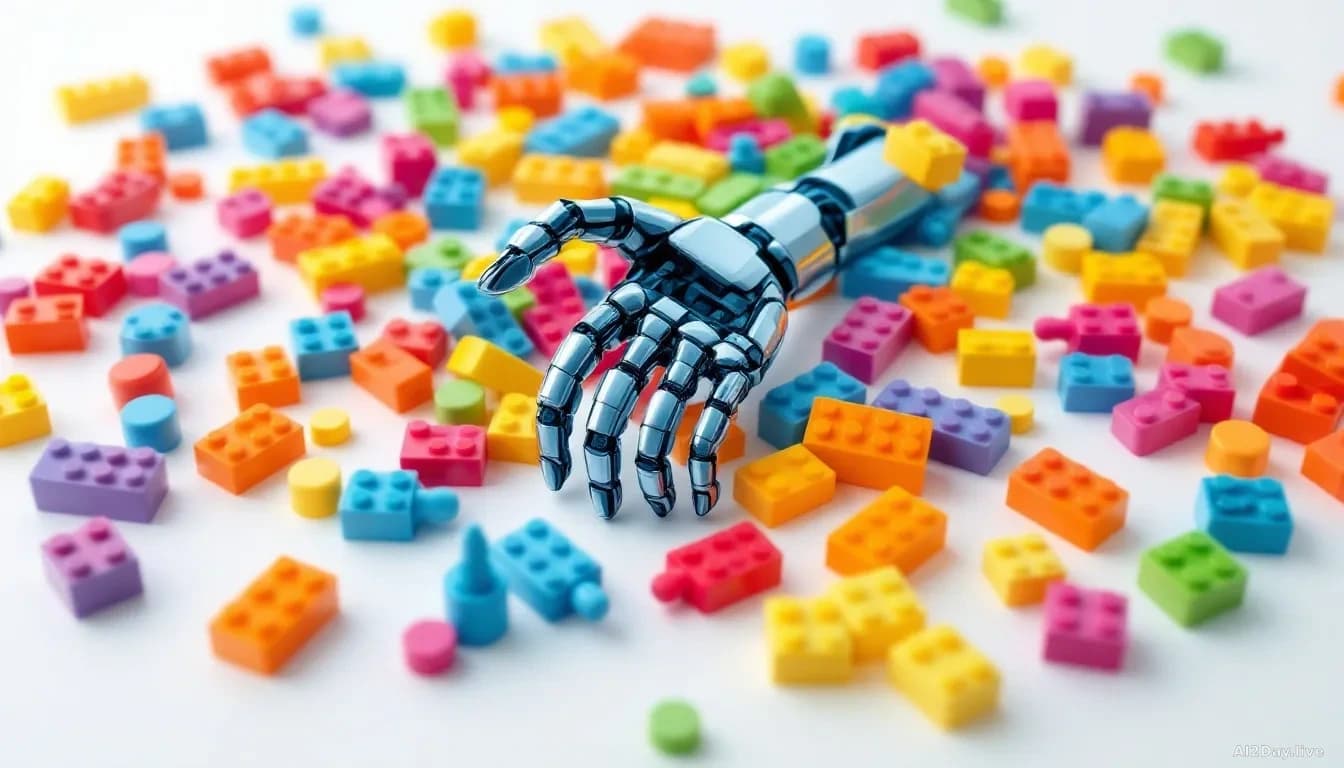
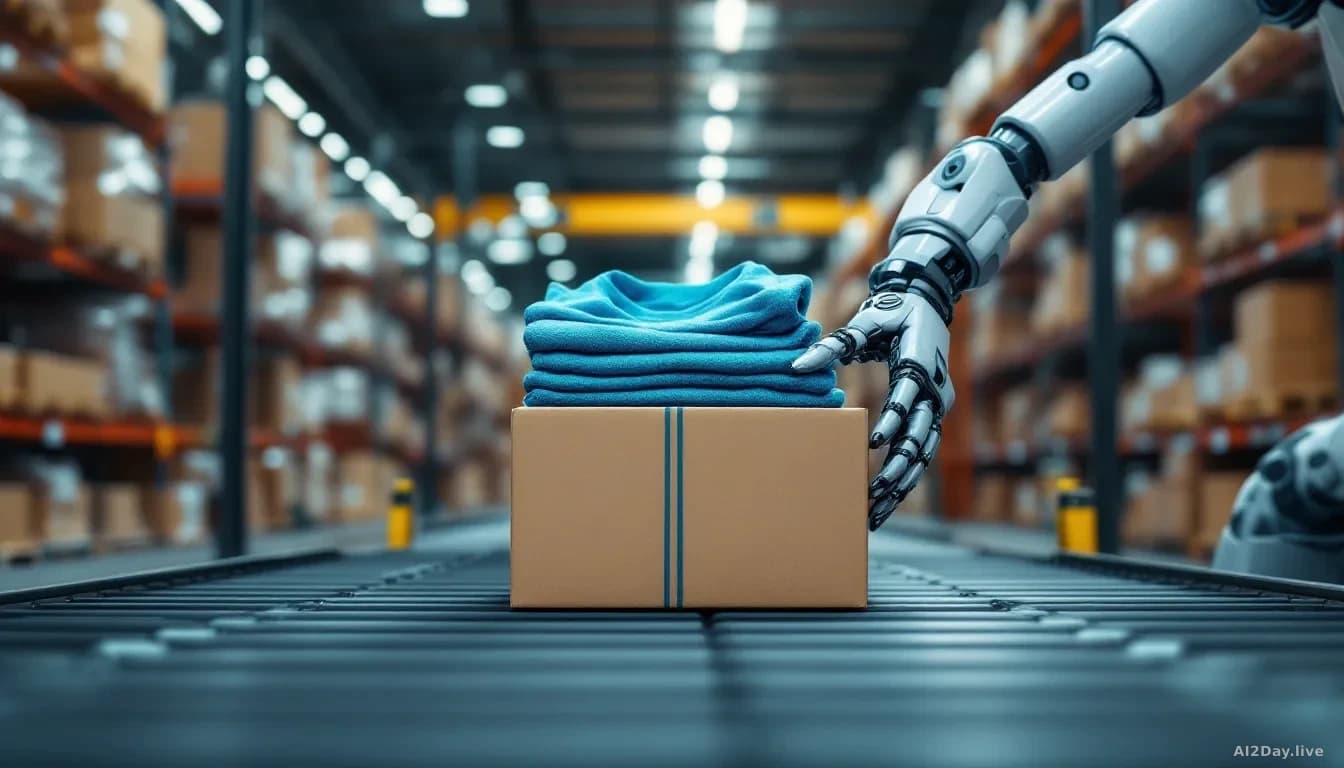
The system centres on the MyCo cobot, paired with an AI-driven software layer that handles picking, handling and palletising across variable product flows. It can pick up items of wildly different shapes and textures, from rigid plastic equipment to soft fabric bags, without crushing or dropping them. That's genuinely hard: most warehouse robots break down the moment a product changes shape.
Comau equipped MyCo with a modular gripper (a swappable mechanical hand), advanced sensors, and vision-based object recognition, meaning the robot uses cameras and AI to locate objects the way a person would with their eyes. A digital twin, a virtual copy of the warehouse running in software, lets engineers test changes before touching the real system. The whole stack can adapt in real time if product flow shifts, without a programmer rewriting code from scratch.
Why does Decathlon fit this story so well?
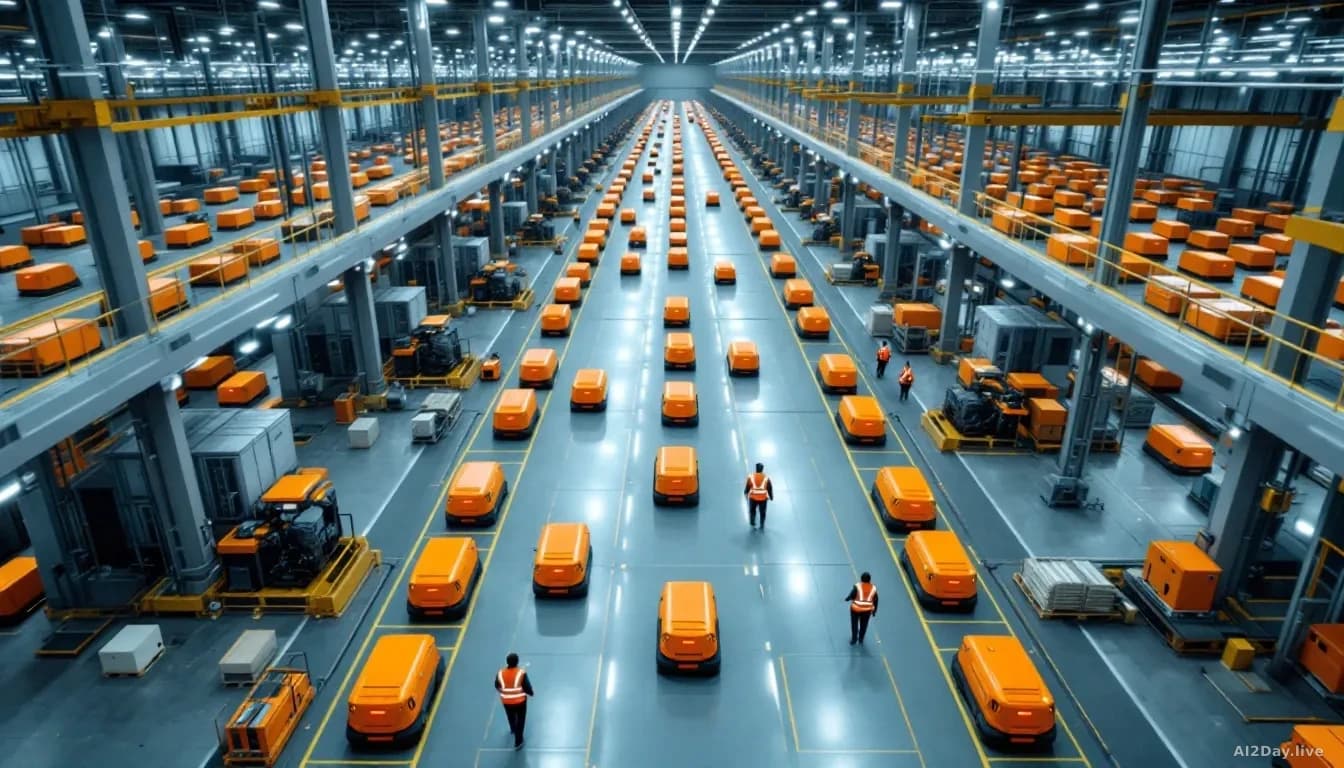
Decathlon shifts millions of orders globally across hundreds of sports, so its fulfilment centres handle an enormous variety of items every shift. That variety is exactly what breaks most automation. By using Decathlon's operations as the test bed, MASTERLY pushed the technology into genuinely difficult conditions rather than a controlled lab. First reported by The Robot Report, the project also involved Genoa-based STAM as systems integrator, coordinating the technology pieces so they work as one.
Warehouse vision AI is a crowded space right now. Two ex-Meta researchers published work on warehouse object recognition just weeks before this announcement, targeting the same multi-material problem Comau is solving here.
What does it mean for warehouse workers?
Comau frames MyCo as a machine that handles the heaviest lifting, leaving human workers to manage exceptions and quality judgements. That's the stated aim: reduce physical strain, not eliminate roles by decree. Whether it plays out that way depends entirely on how individual businesses deploy it. Workers in logistics should watch how contracts evolve as this spreads.
What happens next?
Lessons from Decathlon's operation will shape the next iteration of MyCo. Comau is also expanding its intralogistics (warehouse and internal logistics) capabilities through acquisitions, buying Automha and Invent to broaden its offer.
For shoppers, faster and more consistent fulfilment is the likely near-term result. The real test is whether a system proven in Decathlon's chaotic product range can translate cleanly to other operators' shelves. My bet: the vision layer is the piece that either makes this scalable or limits it.