La red de seguridad invisible que los robots de construcción realmente necesitan
Las máquinas autónomas están llegando a los sitios de construcción más rápido que los sistemas de seguridad diseñados para proteger a los humanos que trabajan junto a ellas. La IA de visión está destinada a cerrar esa brecha.
Puntos clave
- Se estima que el mercado global de robótica de construcción alcanzará $3.66 mil millones para 2030, según Grand View Research.
- Las cuatro principales causas de muertes en construcción de OSHA representan aproximadamente el 58 a 59 por ciento de todas las muertes en construcción en EE.UU. en años recientes.
- Los incidentes por impacto matan a más de 100 trabajadores de construcción cada año en Estados Unidos, la mayoría involucrando vehículos o equipos en movimiento.
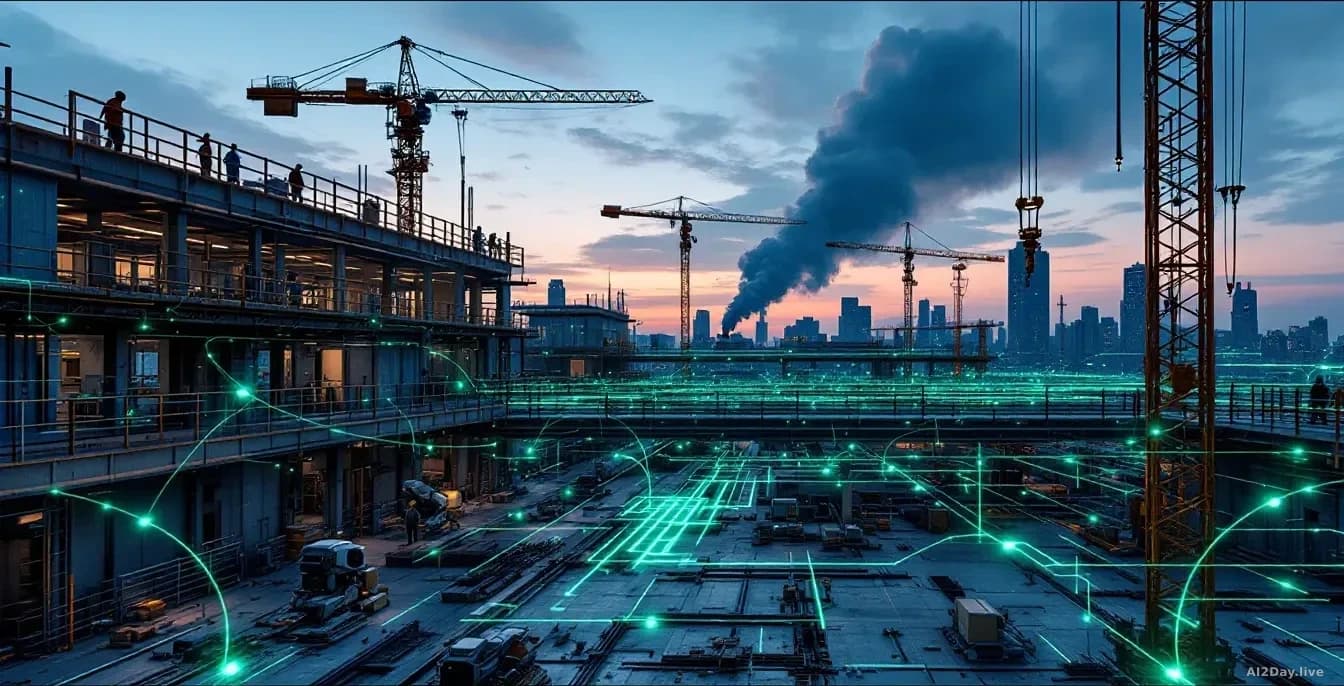
- La IA de visión funciona como una capa de percepción en todo el sitio, reuniendo transmisiones de cámaras fijas y robots de patrulla móviles para vigilar el sitio completo a la vez.
- Procesar esa IA localmente, cerca de las cámaras en lugar de en un servidor distante, permite que los peligros se señalen en cuestión de segundos.
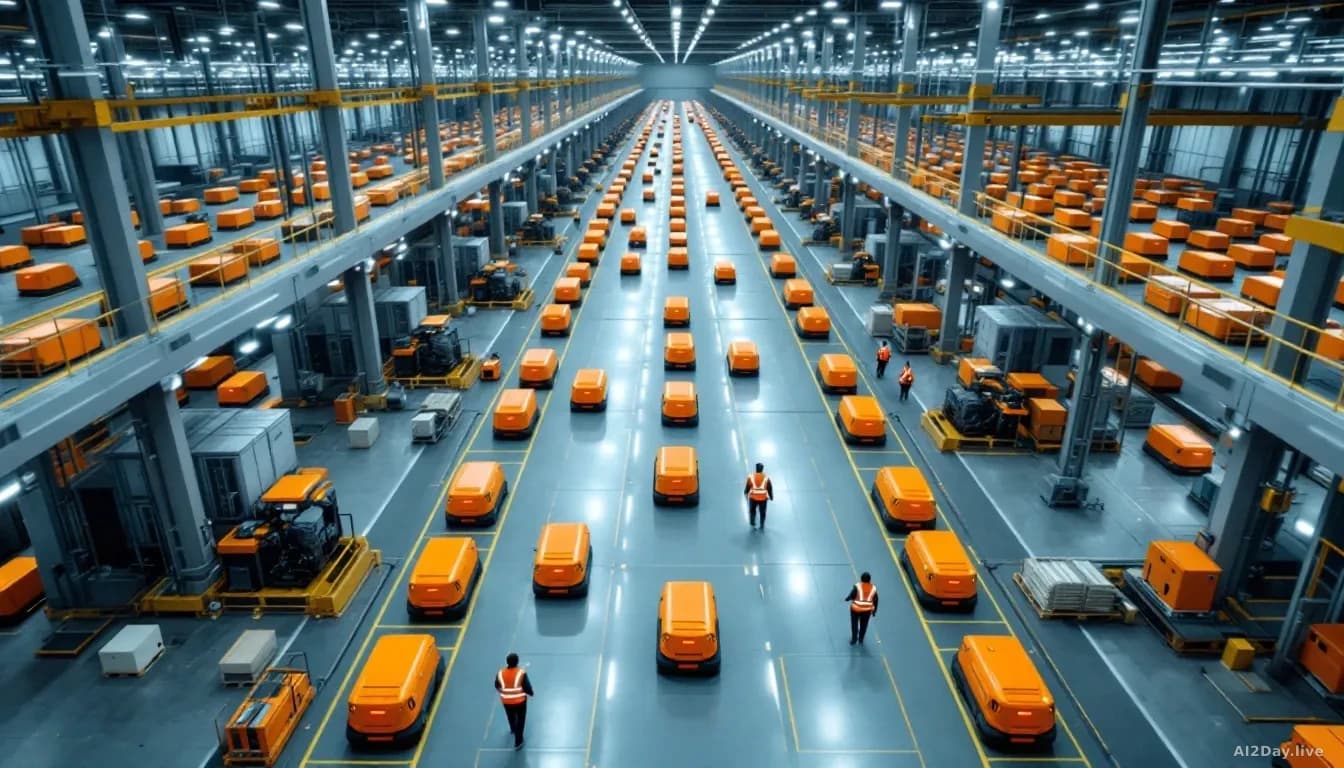
Imagina un compactador autónomo, una máquina sin conductor que compacta el suelo a lo largo de una ruta preestablecida, avanzando constantemente por un sitio de construcción. Arriba, un dron de inspección rodea el marco del edificio. Ambos están haciendo exactamente lo que fueron programados para hacer.
Entonces un trabajador entra en el camino del compactador para recoger una herramienta que se ha caído.
Nada se ha averiado. Ningún sensor ha fallado. La máquina simplemente no tiene forma de saber que el sitio cambió en los últimos tres segundos.
¿Por qué es peligroso esto si los robots son tan inteligentes?
Cada máquina autónoma ya lleva sus propios sensores. Cámaras, lidar (un sensor de distancia basado en láser), radar y GPS la ayudan a evitar obstáculos directamente enfrente de ella. El problema es que las máquinas individuales ven localmente. Un compactador sabe qué hay a dos metros de distancia. No sabe que la tripulación de un subcontratista se metió en una zona que el planificador de ruta asumió que estaba despejada hace cinco minutos.
Los sitios de construcción no son almacenes con pasillos fijos. Los trabajadores se mueven entre oficios a lo largo del día. Las rutas de acceso temporal se abren y cierran. Los materiales se desplazan. Ninguna máquina individual, por bien equipada que esté, puede rastrear todo lo que sucede en 20 acres.
Esta es la brecha que la IA de visión, es decir, software que analiza continuamente video en vivo y datos de sensores de todo el sitio, está diseñada para llenar. Cuando informamos sobre excavadoras autónomas trabajando en sitios de Texas y Nevada el 26 de agosto, la cuestión de qué sucede cuando una persona se cruza en el camino de una máquina sin tripulación ya no estaba resuelta. Aún no lo está. Un número creciente de desarrolladores ahora están enmarcando la IA de visión como la capa de seguridad esencial que se sitúa encima de los robots individuales en lugar de dentro de ellos.
¿Cómo se ve realmente un sistema de seguridad en todo el sitio?
En lugar de una cámara enviando una alerta, la IA de visión reúne transmisiones de cámaras CCTV fijas, cámaras portátiles y robots de patrulla móviles. Observa cómo interactúan los trabajadores y las máquinas autónomas, en tiempo real, en todo el sitio.
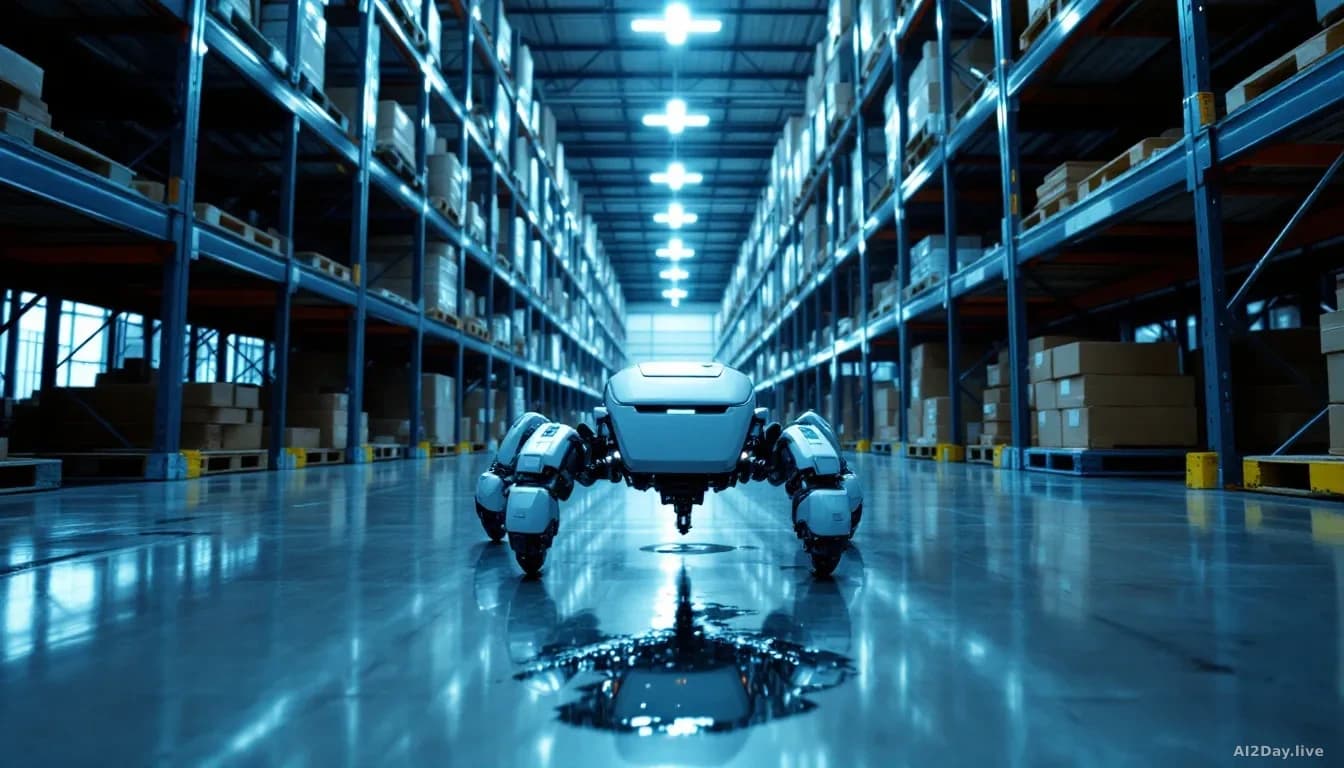
Empresas como viAct han construido unidades móviles, siendo su robot de patrulla viBOT un ejemplo, específicamente para llevar esta capa de percepción a lugares que las cámaras fijas no alcanzan: sótanos, túneles, zonas que cambian semana a semana conforme avanza la construcción.
De manera crítica, el software hace el análisis pesado cerca de las cámaras mismas en lugar de enviar datos a un servidor distante. Ese procesamiento local, llamado computación de borde, significa que un peligro puede generar una alerta en segundos, no en minutos. Los supervisores, mientras tanto, ven un solo panel de control en vivo en lugar de desplazarse a través de docenas de transmisiones de cámaras independientes.
¿Deberían los trabajadores preocuparse por esta tecnología?
No más de lo que se preocuparían por una alarma de incendios. No está reemplazando el juicio humano; les está dando a los gerentes del sitio información más rápida y clara para que puedan actuar antes de que ocurra un incidente.
Los números hacen el caso para hacer algo. Los incidentes por impacto matan a más de 100 personas al año en sitios de construcción de EE.UU. Las máquinas autónomas no se cansan ni se distraen como lo haría un operador humano al final de un turno largo, pero tampoco tienen intuición. La IA de visión es lo más cercano a proporcionar esa intuición desde el exterior, y esa distinción es más importante de lo que la mayoría de los entrenamientos de seguridad reconocen.
¿Qué deberían observar los lectores?
Si trabajas en un sitio que está introduciendo equipos autónomos, pregunta si la capa de monitoreo de seguridad es independiente de las máquinas mismas. Un robot que se detiene cuando algo bloquea su camino no es lo mismo que un sistema que entiende el panorama completo de quién está dónde y por qué. Esa brecha es donde vive la mayor parte del riesgo.