Agility Robotics generó $1.8 millones el año pasado. Quiere salir a bolsa a $2.5 mil millones.
El fabricante del robot humanoide Digit acaba de presentar sus estados financieros antes de cotizar en bolsa. Los números son minúsculos. Las ambiciones no.

Puntos clave
- Agility Robotics generó $1.8 millones en ventas netas en 2025, frente a una pérdida operativa de $140 millones.
- La empresa sale a bolsa mediante una fusión SPAC, un método que permite a empresas privadas cotizar en bolsa basándose en proyecciones futuras en lugar de ganancias actuales, valorada en $2.5 mil millones.
- Se espera que el acuerdo recaude más de $620 millones, incluidos $200 millones del fabricante de electrónica Foxconn.
- Los robots humanoides Digit de Agility han acumulado más de 65,000 horas de operación en 9 sitios de clientes.
- La empresa proyecta 25,000 robots desplegados para 2035, lo que estima generaría alrededor de $2.55 mil millones en ingresos anuales por suscripción.
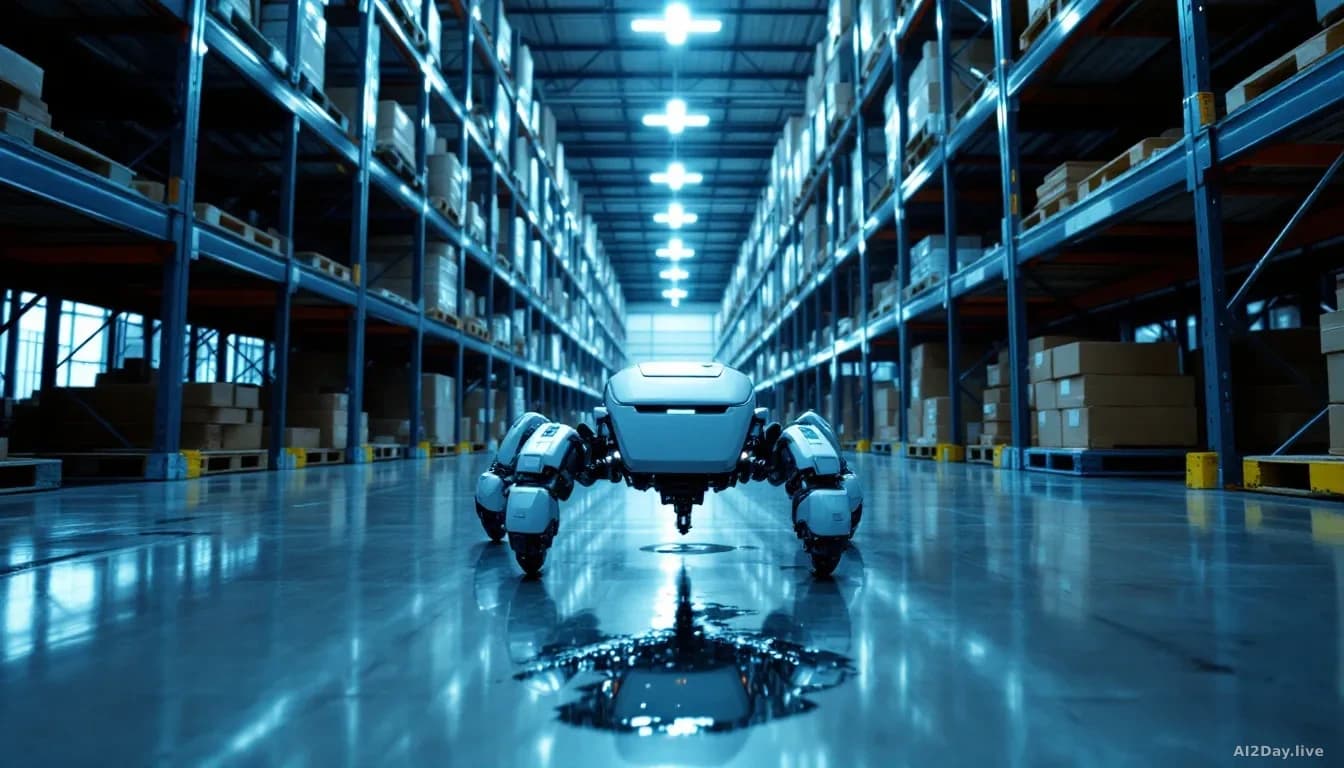
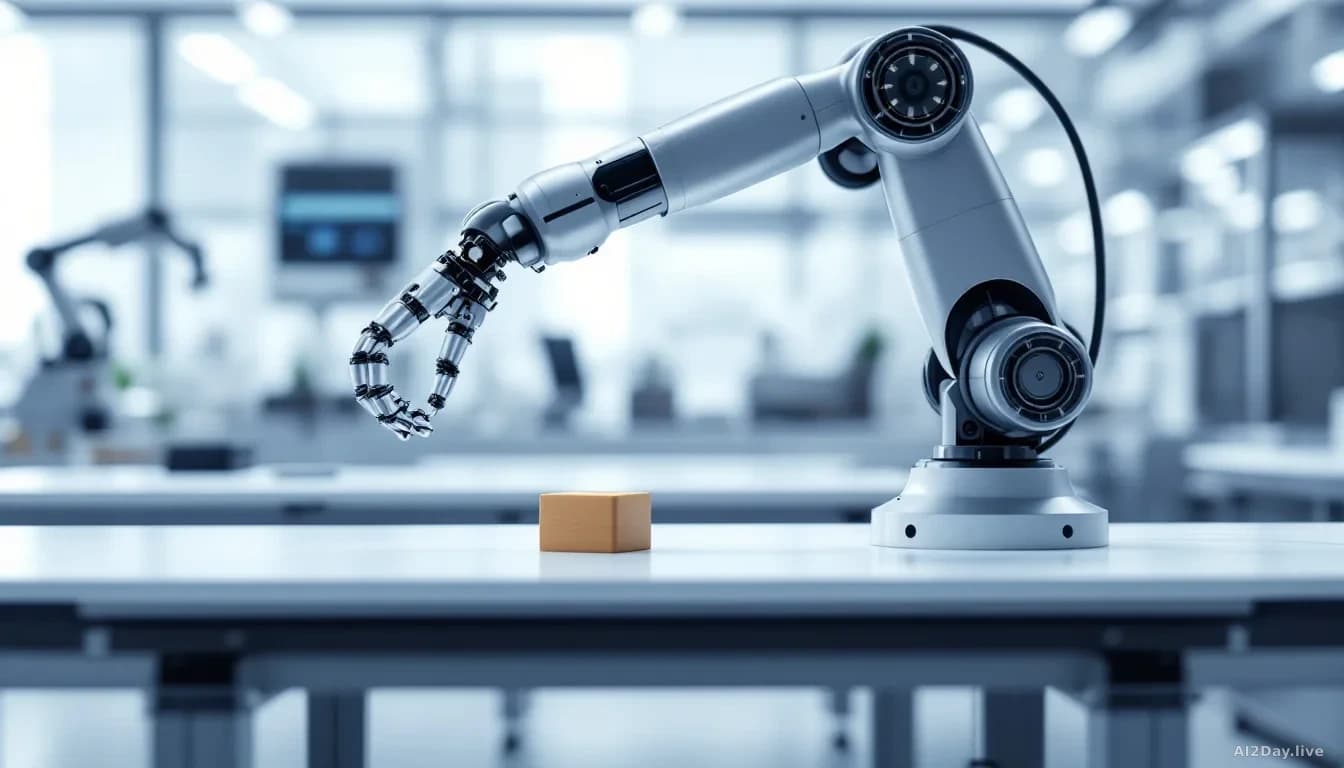
Agility Robotics fabrica Digit, un robot humanoide de dos patas diseñado para trabajar en almacenes y fábricas junto a humanos. El año pasado, la empresa ingresó $1.8 millones. Su valoración prevista en bolsa es de $2.5 mil millones. Esa brecha, aproximadamente 1,400 veces los ingresos anuales, te dice casi todo sobre dónde se encuentra la robótica humanoide en este momento: llena de promesas, pero con pocos ingresos reales.
Las cifras provienen de una presentación S-4, un documento de divulgación que las empresas deben enviar a la Comisión de Bolsa y Valores de EE.UU. antes de cotizar en bolsa. Agility lo presentó como parte de una fusión SPAC prevista con Churchill Capital Corp. XI. Una SPAC, o Sociedad de Adquisición de Propósito Especial, es una empresa ficticia que ya cotiza en la bolsa; cuando se fusiona con una empresa privada como Agility, esa empresa cotiza en bolsa sin una oferta pública tradicional, e inversores apuestan por el crecimiento futuro en lugar de un historial comprobado.
Entonces, ¿cómo se ven realmente las finanzas?
No muy bien, al menos no todavía. Agility gastó $111 millones en operaciones en 2025, frente a $71 millones el año anterior, y quemó aproximadamente $100 millones en efectivo. La estructura del acuerdo pretende recaudar más de $620 millones: aproximadamente $420 millones en el fondo de fideicomiso de Churchill y $200 millones de un PIPE, un acuerdo de inversión privada donde inversores externos aportan dinero directamente. Foxconn, el fabricante taiwanés mejor conocido por hacer iPhones, encabeza esa inversión privada.
| Métrica | Cifra |
|---|---|
| Ventas netas 2025 | $1.8 millones |
| Pérdida operativa 2025 | $140 millones |
| Efectivo quemado 2025 | ~$100 millones |
| Valoración del acuerdo SPAC | $2.5 mil millones |
| Ingresos brutos esperados | $620+ millones |
| Inversión PIPE de Foxconn | $200 millones |
¿Cómo planea Agility ganar dinero realmente?
De dos formas. Los clientes pueden alquilar Digit bajo un modelo de suscripción llamado Robots-as-a-Service, pagando alrededor de $8,500 por mes más una cuota de configuración de $25,000. Agility conserva la propiedad del robot y se encarga del mantenimiento. Durante cinco años, la empresa estima que esto genera alrededor de $535,000 por robot. Alternativamente, los clientes pueden comprar un Digit directamente por aproximadamente $200,000, más aproximadamente $36,000 anuales en software y mantenimiento, totalizando alrededor de $400,000 durante cinco años.
Agility, según reportó The Robot Report, dice que un cliente no identificado ya se ha comprometido a más de $300 millones en pedidos plurianuales para el modelo Digit v5 más reciente. Esa es una señal real de demanda. Pero esos pedidos aún no se han convertido en ingresos significativos.
¿Qué sucede a continuación?
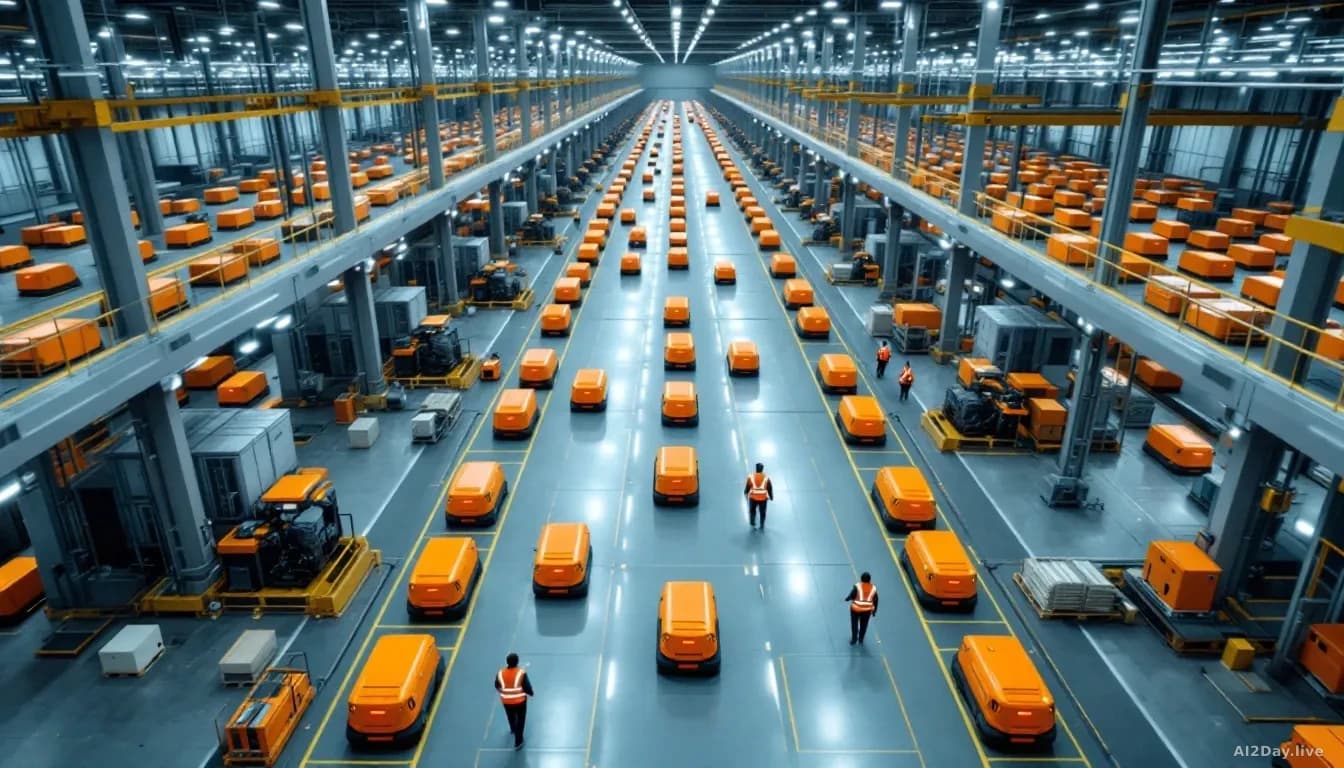
La empresa proyecta desplegar alrededor de 800 unidades de Digit en 2027, llegando a 7,000 en 2030 y 25,000 en 2035. Con la tarifa de suscripción mensual, 25,000 robots generarían aproximadamente $2.55 mil millones anuales. Lograrlo significa escalar la fabricación, reducir costos por unidad y convencer a los clientes de confiar robots humanoides con cargas de trabajo reales en almacenes.
Agility no está solo en enfrentar este desafío. Competidores como Figure, Apptronik y 1X han recaudado sumas significativas a valoraciones altas pero no han abierto sus libros. La empresa china de robótica Unitree sí salió a bolsa a mediados de agosto en el STAR Market de Shanghái y cerró su primer día de negociación con un aumento del 460%, recaudando alrededor de $905 millones. El apetito está ahí. Demostrar que los robots pueden hacer el trabajo a escala es la parte que toma tiempo.
Preguntas comunes
¿Afecta alguno de esto a mí como persona ordinaria?
No directamente, no todavía. Los robots Digit trabajan en almacenes, no en hogares. Si compras bienes de empresas que los utilizan, eventualmente podrías ver entregas más rápidas.
¿Es normal una valoración de $2.5 mil millones en $1.8 millones de ingresos?
Para empresas de robótica y tecnología en etapa inicial que cotizan en bolsa a través de SPAC, las valoraciones muy altas en relación con los ingresos actuales son comunes. Los inversores apuestan por dónde estará la empresa en diez años, no dónde está hoy. Esa es una apuesta de alto riesgo.
¿Qué es un SPAC y debo ser cauteloso?
Un SPAC evita parte del escrutinio que implica una cotización tradicional en bolsa. Eso lo hace más rápido, pero también significa que los inversores dependen más de las propias proyecciones de la empresa. Trata esas proyecciones como escenarios del mejor caso, no como garantías.