Los robots de fábrica no tienen problema de datos. Tienen un problema de implementación.
El CEO de Inbolt dice que la IA física ya está funcionando en líneas de producción reales en Ford, Toyota y Stellantis. La barrera no es más datos. Es sacar los robots del laboratorio y ponerlos en el piso de la fábrica sin meses de costosa configuración.
Puntos clave
- Inbolt ha implementado control de robots guiado por visión en más de 100 fábricas y ha registrado más de 40 millones de ciclos de robot en producción.
- La empresa, fundada en 2019, ha recaudado €20 millones (aproximadamente $23,2 millones) de inversores.
- El CEO Rudy Cohen argumenta que el verdadero cuello de botella en la IA física no es la recopilación de datos sino el tiempo y costo de instalar sistemas en pisos de fábrica reales.
- Cohen presentará este argumento en RoboBusiness el 20 de octubre de 2026 en Santa Clara, California.
- Los datos de producción de líneas de Stellantis, Toyota y Ford apoyarán el argumento de que la IA física ya ofrece beneficios comerciales.
El argumento popular en los círculos de investigación de IA es así: los robots serán más inteligentes cuando obtengan más datos y mejor entrenamiento. Ese argumento tiene sentido en un laboratorio universitario. Rudy Cohen, cofundador y CEO de la startup de robótica Inbolt, dice que es el argumento equivocado para cualquiera que dirija una fábrica.
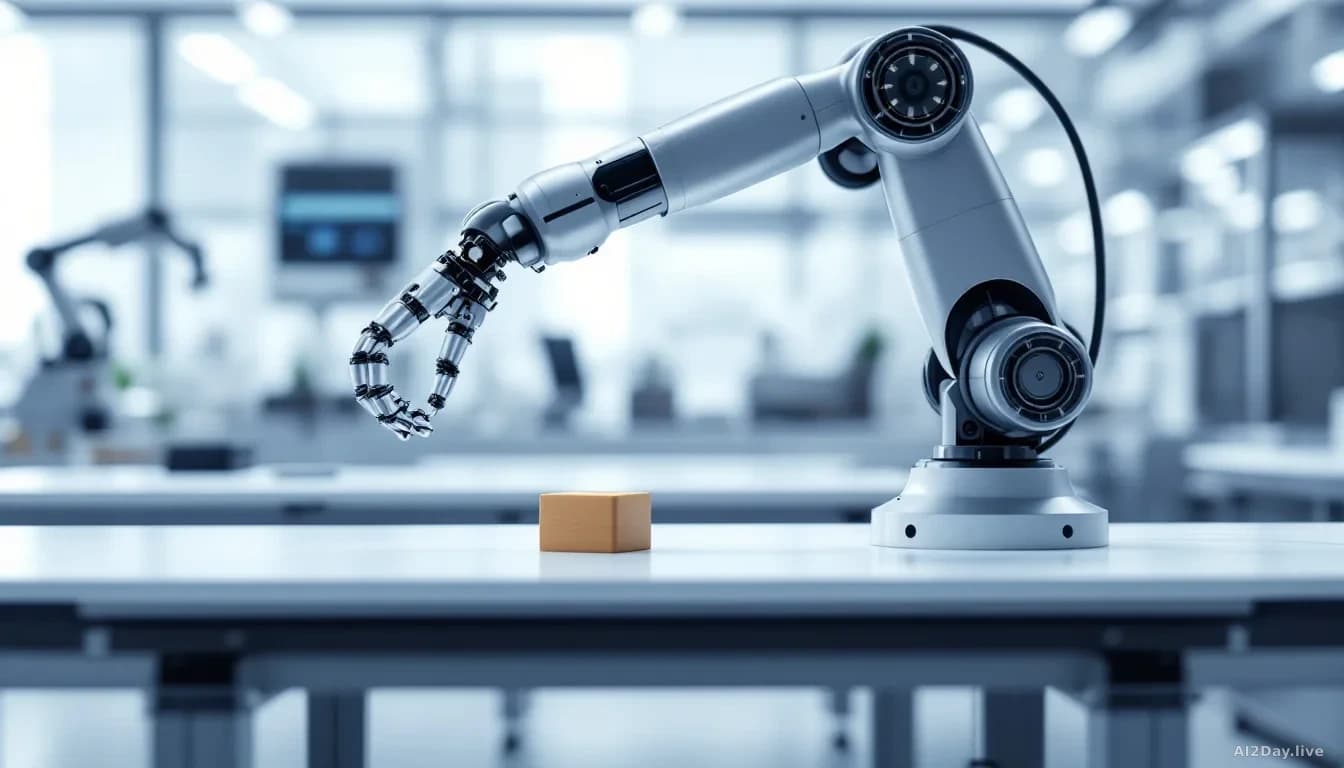
La empresa de Cohen construye una capa de control en tiempo real para robots industriales. La mayoría de los robots de fábrica siguen una trayectoria fija y preprogramada. Si una pieza está en un ángulo ligeramente diferente en la cinta transportadora, el robot la pierde. El software de Inbolt añade visión por computadora e IA que observan la posición real de la pieza y luego ajustan el movimiento del robot durante la acción para compensar. La empresa llama a esto "localización en mano": el robot determina exactamente dónde está una pieza incluso mientras ya está alcanzándola.
Después de más de 40 millones de ciclos de robot en líneas de producción de Stellantis, Toyota y Ford, Cohen dice que el cuello de botella que sigue encontrando no es una escasez de datos de entrenamiento. Es los meses de cableado, accesorios y trabajo de integración que convierten cada nueva implementación de robot en un proyecto de seis cifras antes de que siquiera se encienda.
¿Entonces qué es lo que realmente ralentiza los robots de fábrica?
El costo y la complejidad de implementación son las barreras reales, no el tamaño del modelo. Cohen dice que cerrar el ciclo de retroalimentación entre lo que ve un robot y lo que hace, a la velocidad a la que operan los servomotores, importa mucho más que entrenar modelos de IA más grandes. Es un punto que vale la pena considerar: el argumento de detección no es único de Inbolt. Cuando cubrimos la recaudación de $165 millones de Lyte AI el 4 de septiembre de 2026, esa empresa presentó un argumento casi idéntico, argumentando que los robots tienen un problema de detección, no de modelo.
Cohen presentará su argumento en una charla titulada "Physical AI Doesn't Have a Data Problem; It Has a Deployment Problem" en RoboBusiness, la conferencia de robótica comercial que se desarrollará del 20 al 21 de octubre de 2026 en Santa Clara. La sesión comienza a las 2:15 p.m. el primer día, según informó The Robot Report.
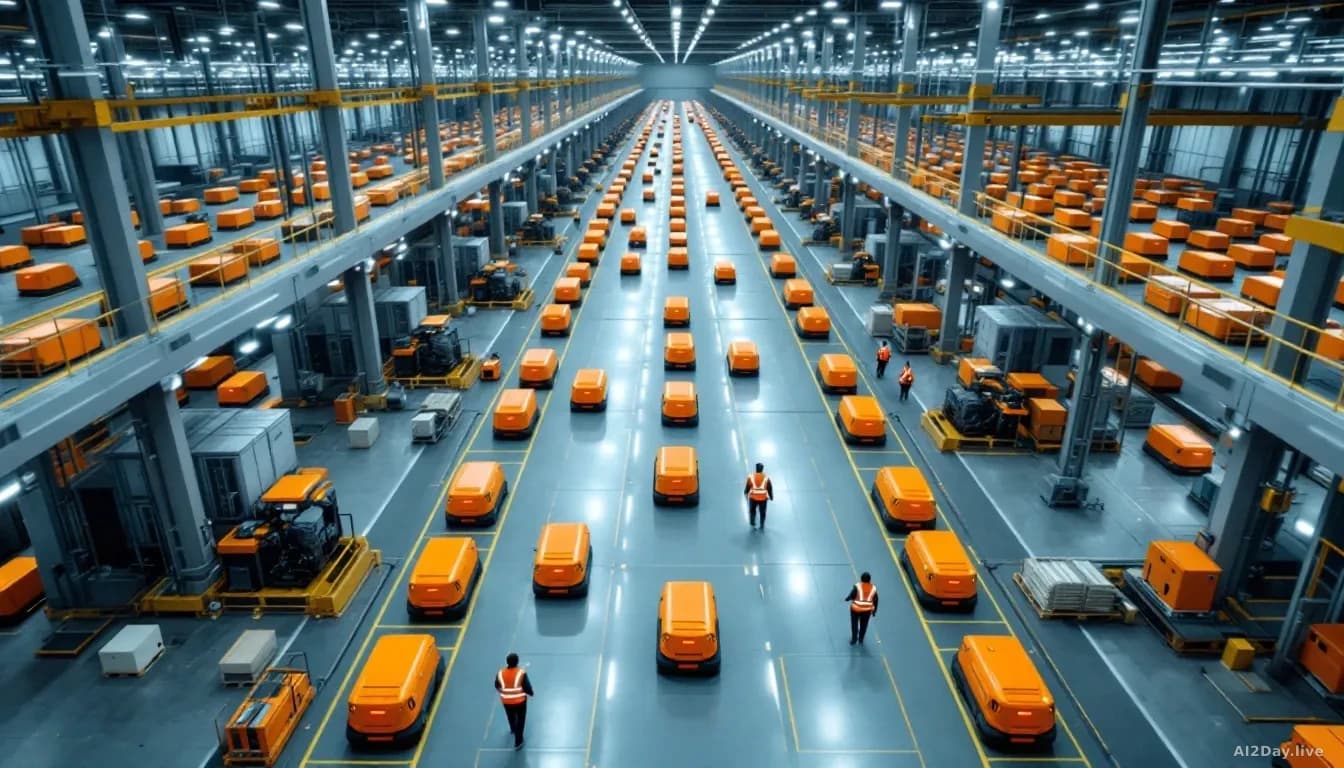
Inbolt ahora opera en más de 100 fábricas en Europa, Estados Unidos y Japón. La empresa ha recaudado €20 millones (aproximadamente $23,2 millones) desde su fundación en 2019.
¿Qué significa esto para las personas comunes?
Nada cambia de la noche a la mañana en el piso de producción. La IA en manufactura no está esperando algún avance futuro. Ya está funcionando en líneas de producción que conoces. La pregunta que enfrentan las empresas es qué tan rápido pueden instalarla sin que el costo de configuración consuma el beneficio.
Si trabaja en manufactura u operaciones, la lectura honesta es esta: la tecnología funciona. La fricción está en el despliegue, no en la investigación.