Australian Robot Maker Buys Stake in AI Firm That Teaches Machines to Read Social Cues
GMEX Robotics has signed a deal to acquire part of Singapore's MediaMeta, which builds AI that understands human behaviour, body language, and cultural context. The goal: robots that feel less like machines.

Key points
- GMEX Robotics Corp. signed a share-purchase agreement to acquire an initial 30% stake in MediaMeta's parent companies, announced on the day of publication.
- MediaMeta, based in Singapore, builds AI trained on social behaviour, cultural patterns, and unspoken human signals.
- GMEX will receive a perpetual, royalty-free licence covering MediaMeta's software, AI models, and robotics-related data regardless of whether it buys more shares.
- MediaMeta must hit more than $52.6 million in revenue over five years after closing or face financial penalties.
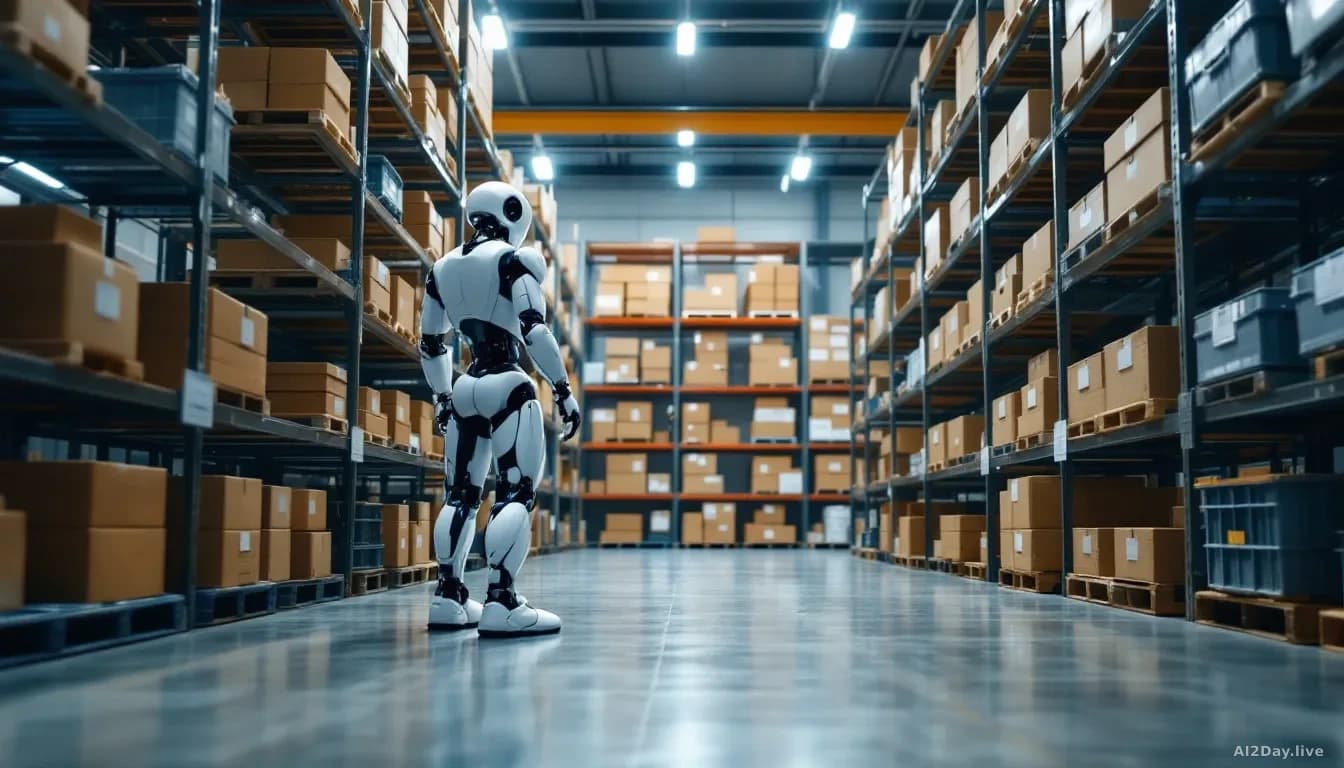
- GMEX plans to put the technology into robots designed for hospitals, care homes, schools, hotels, and shops.
A robotics company is trying to give its machines something they have always lacked: social awareness.
GMEX Robotics Corp., headquartered in Taren Point, Australia, said it has signed a definitive share-purchase agreement to take a 30% stake in Alpha Meta AI Pte. Ltd. and MetaGen AI Ltd., the corporate vehicles behind Singapore-based MediaMeta. The Robot Report first covered the deal.
MediaMeta builds what it calls a "social world model", an AI system trained to recognise how humans behave around each other. Think eye contact, conversational rhythm, cultural norms about personal space, and the difference between a polite smile and a frustrated one. Most AI systems today can answer questions or carry out tasks. They struggle to read a room.
Why does this matter for ordinary people?
Robots that work alongside humans in care homes, schools, and hospitals need more than processing power. They need tact.
GMEX intends to plug MediaMeta's behavioural layer into robots built for consumer, hospitality, education, healthcare, assisted-living, and retail settings. A robot that can tell a patient is anxious, or that a hotel guest is confused and embarrassed, could handle those moments far better than a machine running a fixed script.
"Human experience is not transactional. It is relational, contextual and deeply cultural," GMEX said in a statement. The company says it expects the integrated system to help robots "read, interpret, and respond to human social cues", though it cautions that actual deployment depends on completing the acquisition, then clearing development, testing, and commercialisation hurdles.
What exactly did GMEX agree to pay?
The deal gives GMEX an initial 30% stake, with options to buy enough additional shares to gain a controlling interest. Payment is a mix of cash and GMEX common shares.
The headline condition is a revenue target: MediaMeta has agreed to earn more than $52.6 million over the five years following the deal's close. If it falls short, GMEX can claim an adjustment or partial refund. GMEX also walks away with a permanent, exclusive, royalty-free licence to MediaMeta's intellectual property no matter what happens to the equity stake later.
| Deal term | Detail |
|---|---|
| Initial stake | 30% fully diluted equity |
| Payment type | Cash plus GMEX common shares |
| Revenue target (5 years) | More than $52.6 million USD |
| Technology licence | Perpetual, exclusive, royalty-free |
| Option | Can increase to controlling interest |
GMEX was formerly called Fitell Corp. and supplied fitness equipment before shifting into service and social robots.
What happens next?
Nothing changes for consumers yet. The deal still needs to close formally, and then the engineering work begins.
Sam Lu, GMEX's chief executive, described 2026 as a year to "integrate all the critical components" for what the company calls its Terminal + Intelligence platform. Mark March of MediaMeta said joining GMEX creates a chance to bring "contextual awareness and behavioural understanding into robotics applications where trust, empathy, and human collaboration are essential."
If the integration works as planned, the first people to notice the difference will likely be residents of care homes and patients in hospitals, where a robot that reads a room correctly could matter most.
Common questions
What is a social world model?
A social world model is an AI system trained on data about how people behave with each other, covering cultural norms, emotional signals, and conversational patterns, so a machine can interpret context rather than just commands.
Does this mean robots will start working in hospitals soon?
Not immediately. GMEX plans to target healthcare and care-home settings, but the deal must close first, and then the technology needs months of development and testing before any product reaches a real ward or facility.
What does this mean for people who interact with service robots today?
Nothing changes right now. If the integration succeeds, future robots in hotels, shops, and care facilities may handle awkward or emotionally charged situations more naturally than current machines do.