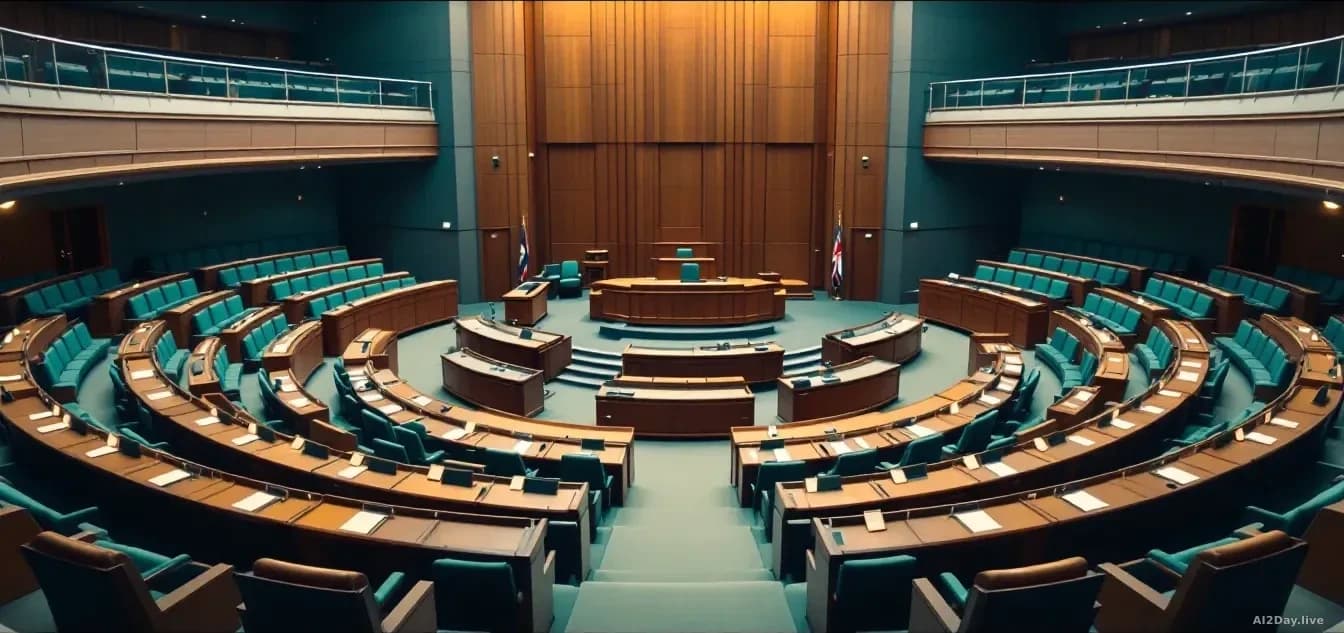
Why Everyone Suddenly Has Strong Opinions About Data Centres
Those giant warehouse buildings humming away on the edge of town power all the AI tools you use daily. Now they're sparking political fights from both sides. Here's what's going on.
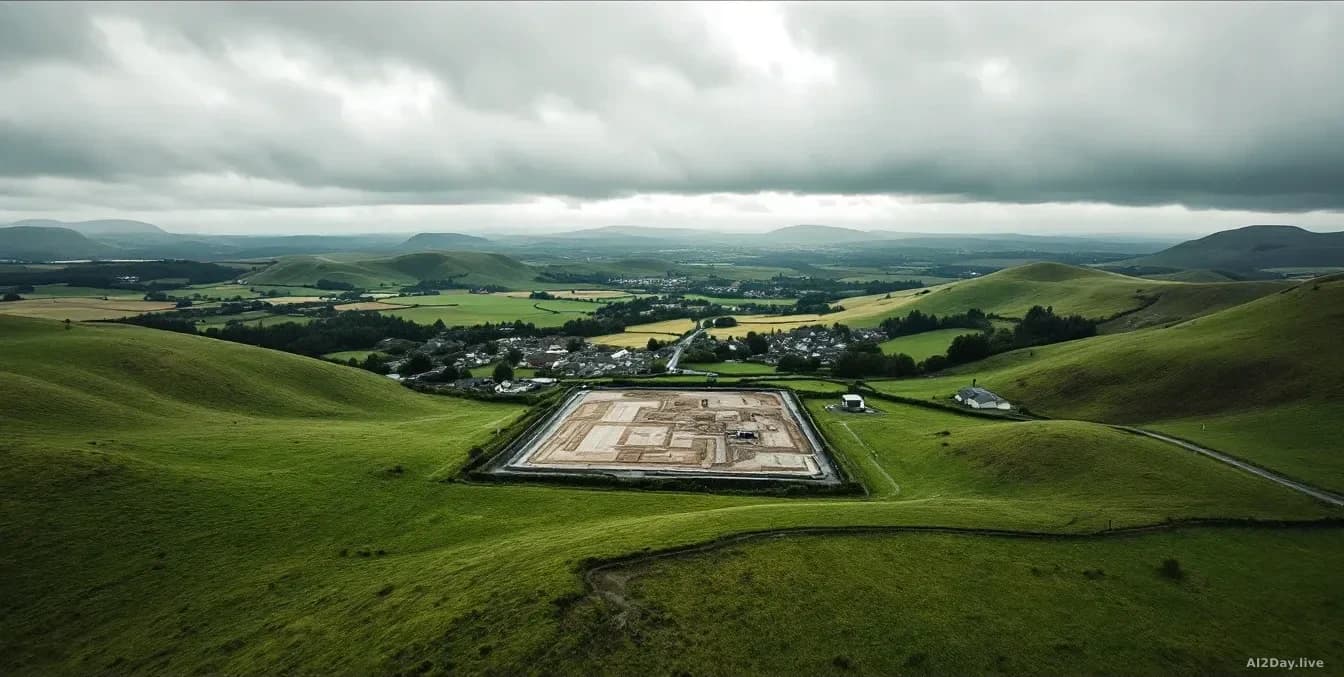
Key points
- Data centres, the massive warehouse buildings that store and process the information AI tools need to run, have become a flashpoint in American politics ahead of the 2026 midterm elections.
- Backlash against data centres is drawing concern from voters across the political spectrum, not just one side.
- Wired is hosting a live Q&A on 10 September 2026 at 12pm ET, where a panel of journalists will answer reader questions about the data centre debate.
- The panel covers politics, climate, the business of AI, and security, reflecting how many different areas of ordinary life data centres now touch.
So what exactly is a data centre, and why should I care?
A data centre is a large building packed with computers that store information and run calculations around the clock. Every time you ask an AI chatbot a question or use GPS, a data centre somewhere does the work.
For most people, that was background noise. Then the AI boom hit. Suddenly companies needed far more of these buildings, built faster, in more places. Larger facilities mean bigger electricity bills, noisier cooling systems, and more strain on local water supplies. Residents near proposed sites started pushing back, politicians took notice, and the conversation moved from trade publications into kitchen-table territory.
What are people actually arguing about?
The fights land in a few different places. Some communities object to the noise and the visual clutter of giant facilities. Others worry about the energy and water these buildings consume, with climate concerns prominent on that list. Then there's the economic side: who benefits from the jobs, who bears the local costs.
What makes this unusual is that concern crosses normal political lines. Conservatives worried about land use and local control, and progressives worried about environmental impact, are ending up in the same conversation, if not always on the same side. We've been tracking that tension since our piece on historian Jill Lepore's prediction that public backlash against AI infrastructure could reshape the November vote.
With the 2026 midterms approaching, data centre policy is shaping up as a live issue for candidates in states where construction is booming.
What is Wired doing about it?
Wired is running a live, viewer-questions panel on 10 September 2026 at noon Eastern time. The four journalists on the panel cover science and security, climate and energy reporting, Washington politics, and the business of AI. You can submit questions in advance via the comments section on Wired's site.
The session streams live for subscribers. If you can't watch in real time, a replay goes up afterwards. Non-subscribers can sign up to get access.
It's worth bookmarking if you want plain answers rather than talking points. Data centres aren't going away, and knowing what the trade-offs actually are gives you better footing for the debates ahead. Spoiler: the biggest variable isn't the size of the building; it's where the electricity comes from.
Common questions
Do data centres near me affect my electricity bills?
Possibly yes. Large data centres draw significant power from the local grid, and in some regions that extra demand has pushed up prices or required grid upgrades that get passed on to residents.
Are data centres actually bad for the environment?
It depends on where the electricity comes from. A facility running on renewable energy has a much smaller carbon footprint than one drawing power from coal. Water use for cooling is a separate concern that varies by design and location.