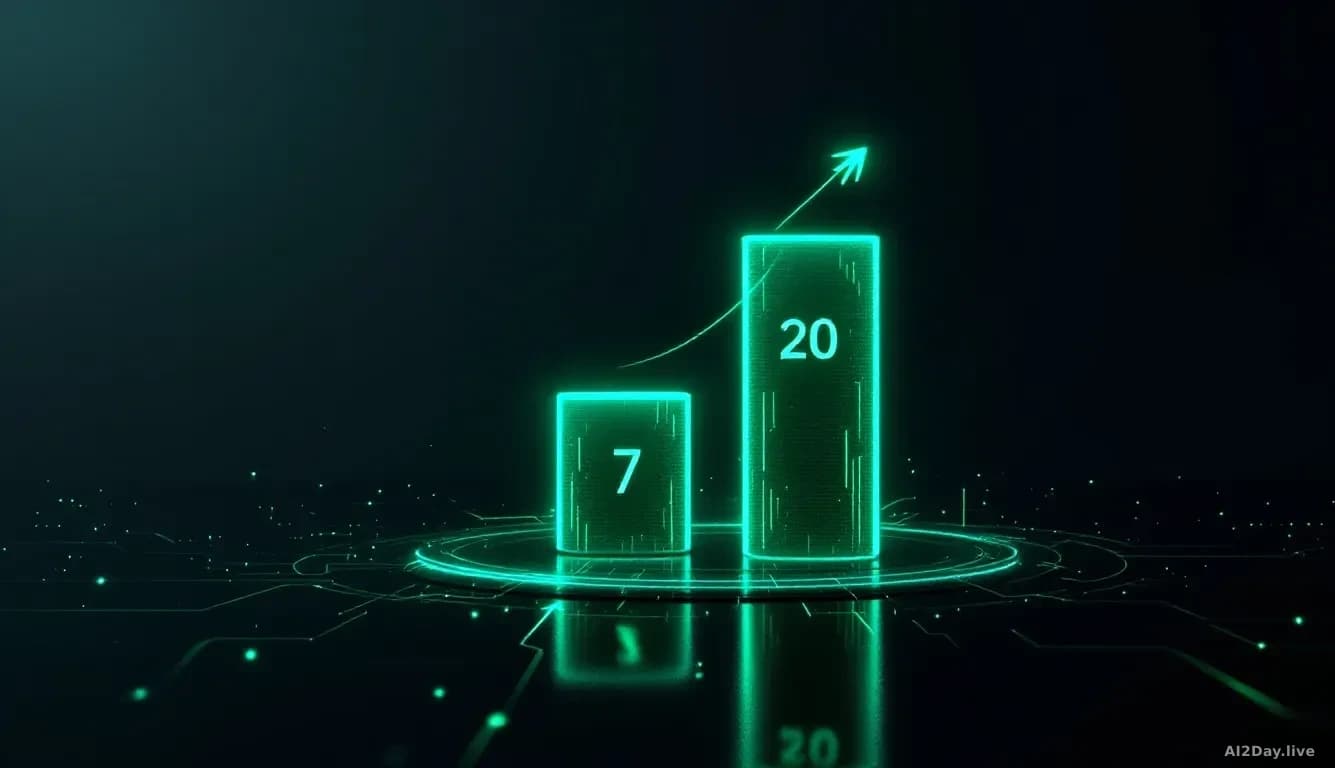
Verizon Signs a $1 Billion Deal With Google and Is Turning Old Phone Offices Into Mini Data Centres
The phone company wants a slice of the AI spending boom, and it's starting with dark fibre cables and gutted copper wires.
Key points
- Verizon announced a deal worth more than $1 billion to connect Google data centres using its dark fibre network, disclosed in Q2 2026.
- The company is stripping copper wiring from old telephone offices and converting them into small data centres.
- Verizon CEO Dan Schulman said additional AI deals could be worth "multiple billions of dollars in revenue over the next several years".
- The push sits under a new business initiative Verizon is calling "AI Connect".
Verizon wants to be the company that moves AI around, not just the one keeping your phone signal alive.
During its second-quarter 2026 earnings call, the telecoms giant revealed a deal worth more than $1 billion with Google. The job: use Verizon's dark fibre routes, meaning fibre-optic cables already buried in the ground but not yet switched on, to connect Google's data centres. More deals are expected before December.
What is Verizon actually building?
Two things at once. The Google fibre deal carries data at high speed between large data centres. Separately, Verizon is gutting its old copper-wired telephone exchange buildings and converting them into smaller, local data centres.
Those smaller sites matter because some AI tasks can't afford the delay of a round trip to a distant server farm. AI inference, the step where a trained model actually answers your question or makes a decision, works best when the hardware sits close to wherever the answer is needed. Think of a surgical robot that needs a response in milliseconds, or a self-driving car reacting to a pedestrian.
"How do you connect data centre to data centre to assure that you can optimize to maximize the ever-exploding need for compute?" Verizon CEO Dan Schulman said on the earnings call, as first reported by Ars Technica. Schulman added that robotics, autonomous driving and remote surgery all need computing power pushed to the "edge", meaning local sites near the action rather than centralised mega-facilities.
Google's appetite here is well established: our 23 July story reported the company had spent so heavily on AI infrastructure that it posted negative cash flow for the first time, even while hitting record revenues.
What does this mean for ordinary people?
Nothing changes in your monthly bill right now. This is Verizon selling infrastructure services to big tech, not a new consumer product.
Longer term, the local mini data centres could be the reason a remote medical procedure or a driverless car works reliably in your suburb rather than just in a tech hub. Verizon is betting that an existing grid of old phone offices spread across towns is a useful head start on building that kind of network, and that bet looks shrewder the more you think about how much land and planning permission a new-build requires.
| Deal element | Detail |
|---|---|
| Google dark fibre deal value | More than $1 billion |
| Additional deals expected | Multiple billions over several years |
| Initiative name | AI Connect |
| Announced | Q2 2026 earnings call |
| Key use cases cited | Robotics, remote surgery, autonomous driving |
Verizon hasn't named the other AI partners it expects to sign. The unnamed deals are what to watch.
Common questions
What is dark fibre?
Dark fibre is fibre-optic cable, the glass threads that carry internet data as pulses of light, that has already been laid underground but is not yet in active use. Companies can lease or buy it and light it up themselves.
Why convert old phone offices instead of building new data centres?
Those offices are already on power grids, in town centres, and spread across the country. Repurposing them is faster and cheaper than constructing new buildings from scratch, and their location close to people is exactly what low-delay AI computing needs.