Teradyne Robotics hits $100 million in a single quarter, with AI driving the surge
The company that makes factory robots and warehouse vehicles posted its fifth straight quarter of growth, up 33% from a year ago. Its CEO says AI data centres are the reason why.

Key points
- Teradyne Robotics reported $100 million in revenue in Q2 2026, up 33% from $75 million in Q2 2025.
- The result marks the company's fifth consecutive quarter of revenue growth.
- AI-related demand now accounts for more than 60% of parent company Teradyne's total revenue.
- U.S. Sales grew to 32% of Teradyne Robotics' total revenue, prompting plans for a new manufacturing centre in Michigan.
- Teradyne made two rounds of layoffs in 2025, cutting 10% of its workforce in January and another 14% in November.
Teradyne Robotics, the robotics arm of Massachusetts-based test equipment company Teradyne Inc., brought in exactly $100 million in the second quarter of 2026. That's up from $91 million in the previous quarter and a full 33% higher than the same period last year, when it made $75 million.
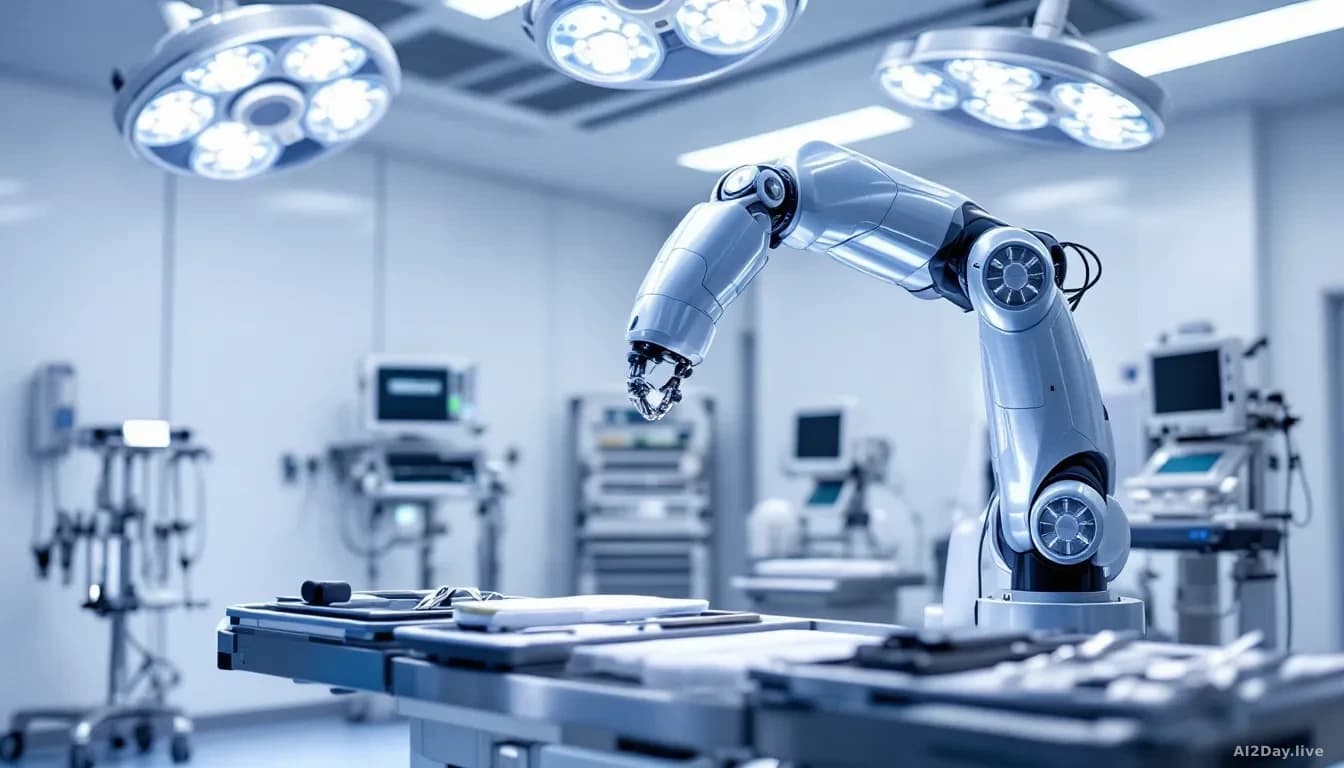
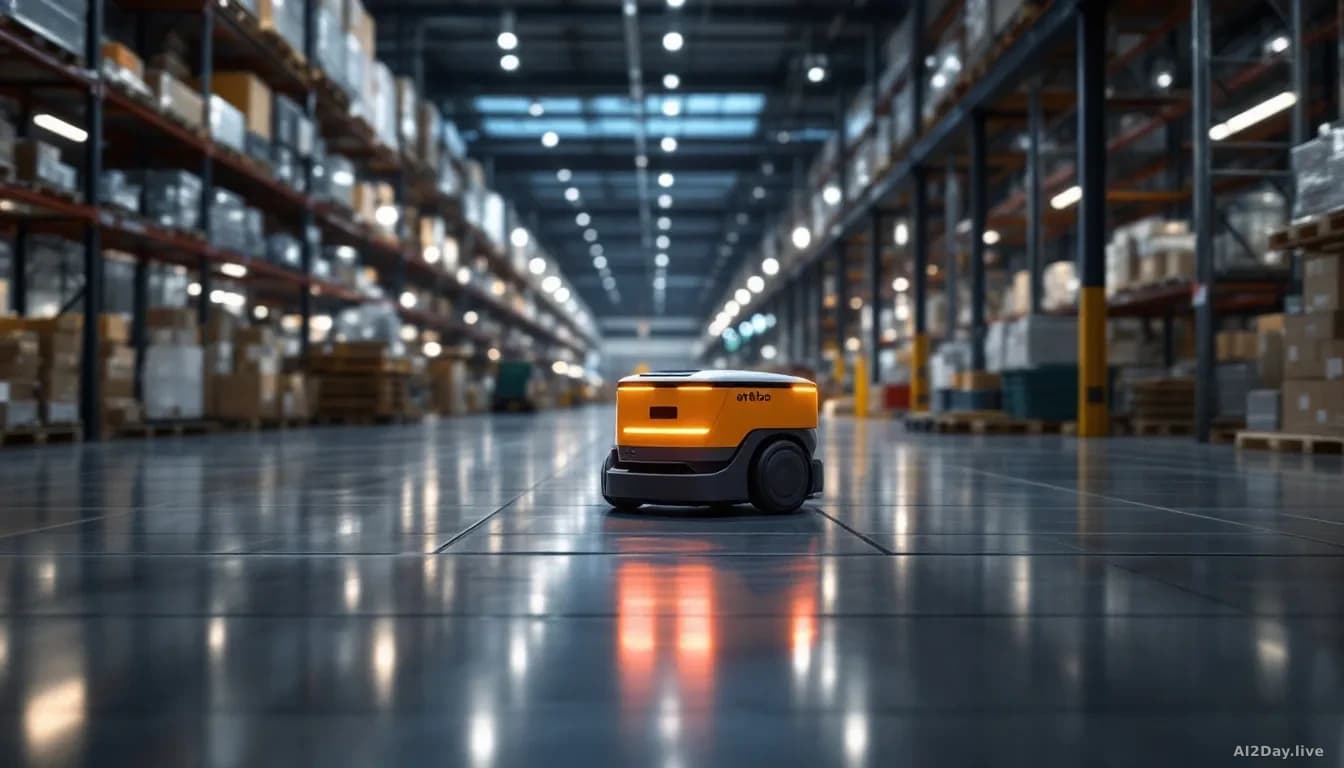
The division runs two brands you may have seen on factory floors: Universal Robots, which makes robotic arms designed to work safely near people, and Mobile Industrial Robots (MiR), which makes self-driving trolleys that ferry parts around warehouses. Both are headquartered in Odense, Denmark.
What is actually pushing sales up?
The building boom around AI data centres is doing the heavy lifting. These are giant warehouse-scale facilities packed with specialised computers that power chatbots and image generators, and every one of them needs enormous quantities of semiconductor chips to function.
CEO Greg Smith said on Teradyne's earnings call that more than 60% of the company's total revenue now comes from AI-related demand. Robots are being used to test and assemble the chips and circuit boards that fill those facilities, and Smith expects that work to keep growing. "We believe that there is currently a multibillion-dollar market for assembly, automation and burn-in equipment," he said, predicting mid-double-digit growth rates through to the end of the decade. The fastest-growing segments inside Teradyne Robotics are electronics manufacturing and semiconductor production.
It's a pattern visible across the sector: just last week we reported on Holiday Robotics raising $105 million specifically to automate repetitive industrial tasks at scale, suggesting capital is chasing exactly this kind of AI-adjacent factory work.
How does this compare to recent history?
The road here was genuinely rough. Teradyne Robotics grew fast during the COVID-19 pandemic, peaking at $326 million in annual revenue in 2022, then slid for two straight years.
| Year | Annual revenue |
|---|---|
| 2021 | $311 million |
| 2022 | $326 million |
| 2023 | $304 million |
| 2024 | $293 million |
| Q2 2026 alone | $100 million |
By 2025 the pressure was severe enough that Teradyne made two rounds of cuts: 10% of its global workforce in January and another 14% in November. The company called them a "proactive step" to strengthen the business. Chief financial officer Michelle Turner said she expects growth to continue through the rest of 2026.
What does this mean for ordinary people?
More robots on factory and warehouse floors does mean some repetitive jobs get automated away, particularly in electronics assembly and chip testing. Teradyne's plan to open a manufacturing centre in Michigan later this year will create local jobs building the robots themselves, which is a partial offset worth watching.
For phone and laptop buyers, faster chip production could eventually mean lower prices, though that chain is long and indirect. The story was first reported in detail by The Robot Report.