SpaceX Stock Slips Below Its IPO Price Just Weeks After Going Public
Shares dropped under $135 on Wednesday, and Thursday's Starship test could push them further in either direction.
Key points
- SpaceX shares fell below $135 on Wednesday, dipping as low as $133, before recovering to around the IPO price.
- The company raised nearly $86 billion when it went public on Nasdaq on 12 June 2026.
- The stock topped $200 shortly after the IPO but has lost ground almost every week since.
- Only 4% of SpaceX's total shares are available to trade, which makes prices swing sharply.
- Both Anthropic and OpenAI have confidentially filed for their own IPOs, with investors watching SpaceX as a guide.
SpaceX had one of the most talked-about stock market debuts in years. Shares went on sale at $135 each on 12 June 2026, the company raised nearly $86 billion, and within days the stock shot past $200. For a brief moment, SpaceX was valued on par with tech giants like Amazon and Microsoft.
That shine has faded fast.
On Wednesday the stock slipped below that original $135 price, dipping to $133 before bouncing back. A drop like that, just a month after going public, is the sort of thing that makes investors nervous.
Part of the choppiness comes down to a quirk in how SpaceX went public. Only 4% of the company's total shares are available for everyday buying and selling on the Nasdaq. That's the "float," meaning the portion of shares in free circulation. A tiny float means even modest shifts in demand can send prices swinging hard. Add Musk's constant media presence, and you get a volatile first month.
As first reported by TechCrunch, broader tech-stock jitters are playing a role too. It's not just the share price under pressure: bonds SpaceX sold around the time of the IPO are also losing value, which suggests investors are broadly cooling on the company's near-term prospects.
Musk has spoken openly about colonising Mars and reshaping global internet access through Starlink satellites. Big visions are exciting. Markets eventually want to see progress.
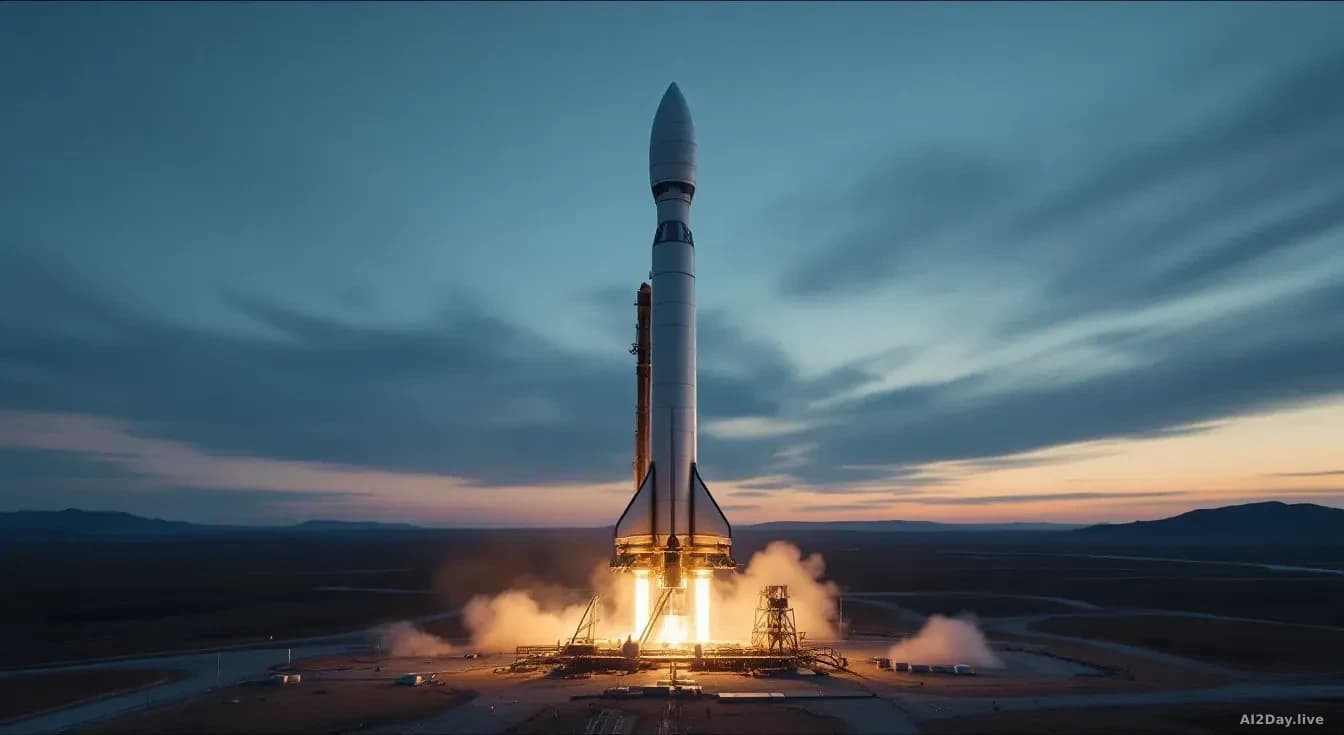
Thursday gives SpaceX a concrete chance at that. The company plans a test launch of Starship, the giant two-stage rocket it's developing for deep-space travel, and it'll be the first Starship flight since a booster failure in May. SpaceX builds rockets the way a chef tests recipes: fly it, see what breaks, fix it, repeat. Failures are expected and built into the process.
SpaceX doesn't plan to recover either the booster or the upper stage on Thursday's flight. Both will splash down in the Gulf of Mexico in a controlled explosion, even if everything goes perfectly. Expect dramatic footage either way.
Our coverage of the Sam Altman and Musk weekend spat noted that engineers were already sceptical of the orbital ambitions baked into SpaceX's valuation, and today's share slide suggests the market is catching up to that view.
Why should anyone outside SpaceX care?
Because SpaceX's stock performance is now a weather vane for the whole next wave of big tech IPOs. Both Anthropic, the company behind the Claude AI assistant, and OpenAI, the maker of ChatGPT, have quietly filed paperwork to go public. Neither has named a date, but both are watching SpaceX's stock the way a surfer watches the waves before paddling out. A sustained drop could cool enthusiasm for those offerings, affecting how much money those AI companies raise and what they do with it.