Space data centers are a long way off, and most experts already knew it
A weekend spat between Sam Altman and Elon Musk put a spotlight on a quiet consensus among engineers: orbital computing is not a near-term business, no matter what SpaceX's valuation implies.
Key points
- Sam Altman publicly accused Elon Musk of misleading public investors on the timeline for space-based data centers.
- SpaceX's plan to run AI computing tasks from satellites in orbit is a major factor behind the company's roughly two-trillion-dollar valuation.
- Engineers, rival space start-up founders, and Google's own orbital compute team all say the economics don't work yet.
- SpaceX told investors during its IPO road show that Starship's upper stage may not be fully reusable any time soon.
- Technical experts place viable, large-scale orbital computing in the 2030s at the earliest.
Sam Altman, the chief executive of OpenAI, and Elon Musk spent part of last weekend trading insults on social media. The exchange was petty, but one line from Altman carried real weight. Responding to Musk calling him a scammer, Altman wrote that Musk was "selling public market investors on short-term space datacenters."
Strip out the tone, and Altman was saying something that a broad group of engineers have quietly concluded for months. Space data centers aren't coming soon.
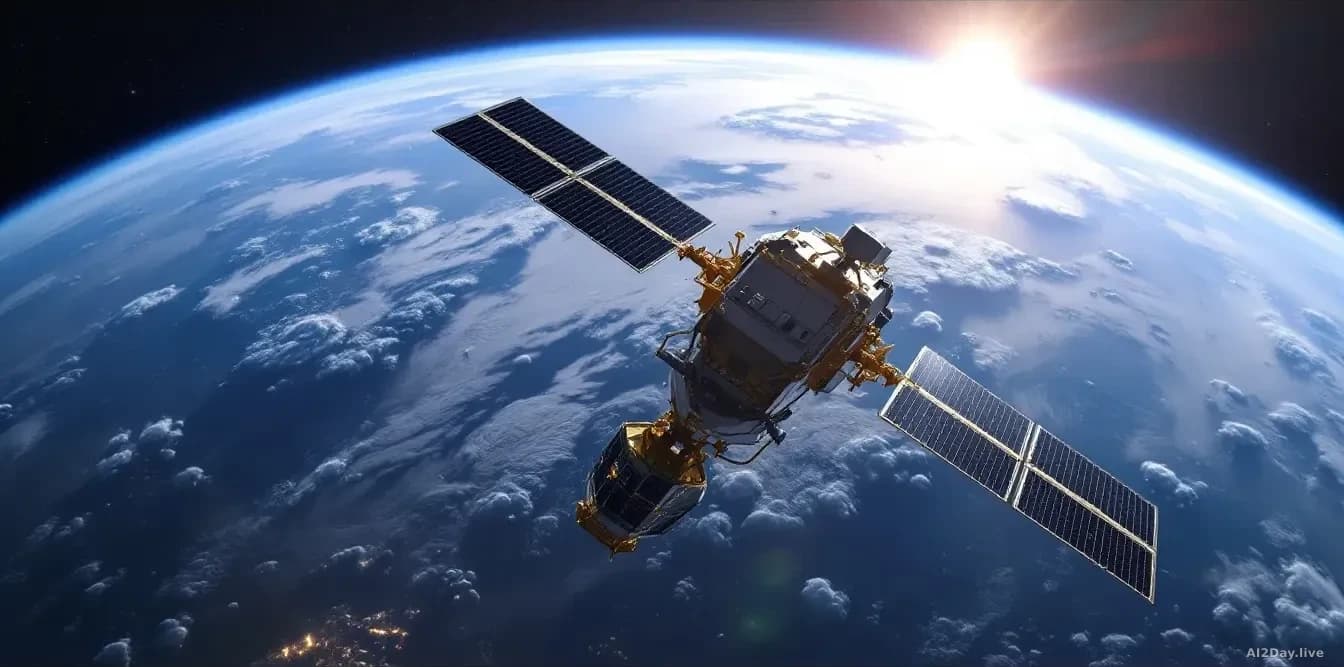
The idea is straightforward: put powerful computing hardware on satellites and use it to run AI inference tasks (the step where a trained model actually answers your question or generates an image) from orbit. SpaceX has made this a centrepiece of its pitch to investors. Bullish analysts point to the potential for SpaceX to run its own SpaceXAI models from orbit, or rent that capacity to outside companies the way Amazon and Microsoft rent cloud servers today. Those projections underpin much of the reasoning behind SpaceX's roughly two-trillion-dollar valuation.
The problem is the numbers.
When journalists at TechCrunch AI spoke to entrepreneurs behind competing space data center start-ups, the Google team working on orbital compute, and independent engineers who'd done the calculations themselves, they all landed in the same place. Making this work at scale needs two things that don't yet exist: rockets cheap enough to launch hardware in bulk, and high-powered satellites that can be manufactured quickly and affordably.
SpaceX's answer to both problems is Starship, its enormous next-generation rocket, which is scheduled for its thirteenth test flight as soon as July 16, 2026. Recovering both the booster and the upper stage on that flight would improve the cost picture. But SpaceX told investors during its IPO road show that the upper stage may not achieve full reusability soon, which means discarding it on many launches. Throwing away hardware that regularly makes cheap orbital computing effectively impossible.
That's why Musk's response, "we start flying them next year," doesn't quite land. Launching one demonstration satellite equipped for data processing next year is plausible. Launching and manufacturing them at the scale needed to matter commercially is a different question, and the honest answer points to the 2030s.
AI2Day first covered orbital computing on 13 July 2026, and the underlying engineering objections haven't shifted since.
Should investors be worried?
Anyone holding SpaceX shares through secondary markets should understand that a large slice of the company's current valuation rests on a business that most technical experts think is still a decade from maturity. That doesn't mean SpaceX fails. Its Starlink broadband network already generates real revenue, and NASA launch contracts provide a steady floor. But the orbital cloud computing story that justifies a two-trillion-dollar price tag is, for now, more aspiration than timetable.
The thing to watch isn't the next Starship test flight. It's whether SpaceX can demonstrate full upper-stage recovery repeatedly, at a cadence that actually changes the launch economics. Until that happens, the valuation math doesn't close.